




Olinda: A Living Colonial Museum
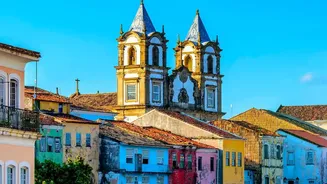
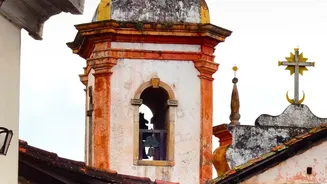
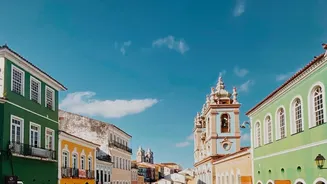
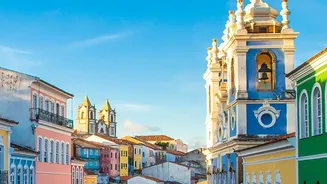
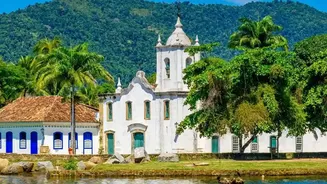
Perched on a hillside overlooking the Atlantic in northeastern Brazil, Olinda is a city that seems to float in a bygone era. A UNESCO World Heritage site since 1982, its historic centre is a breathtaking maze of steep cobblestone streets, pastel-coloured
colonial houses, and magnificent baroque churches. Founded by the Portuguese in 1535, the city's wealth was built on the sugarcane trade, and that prosperity is still reflected in its stunning architecture. Strolling through Olinda is like walking through an open-air gallery; every corner reveals a postcard-perfect view of terracotta roofs nestled in lush tropical greenery against the blue ocean. The Alto da Sé, the highest point in the city, offers panoramic views that stretch to the modern skyline of nearby Recife, creating a dramatic contrast between old and new.
The Heartbeat of Pernambucan Culture
Olinda is more than just its beautiful facades; it is a vibrant hub of art and culture. The city is famous for its spirited Carnival, one of the most distinctive in Brazil. Unlike the ticketed sambadrome parades of Rio, Olinda's celebration spills onto every street, free for all to join. It is renowned for its 'bonecos gigantes', giant papier-mâché puppets towering over the crowds, often caricaturing celebrities and political figures. These massive figures, paraded through the narrow lanes, create a surreal and joyous spectacle. The city's bohemian atmosphere is also fuelled by numerous art studios, galleries, and workshops where visitors can discover local crafts and the unique 'mamulengo' puppetry. The air is often filled with the rhythms of frevo and maracatu, musical styles deeply rooted in the region's Afro-Brazilian heritage.
Serra da Canastra: The Wild Soul of Brazil
In stark contrast to Olinda's colonial charm, Serra da Canastra National Park offers a journey into Brazil's rugged, natural heartland. Located in the state of Minas Gerais, this vast protected area was created to preserve the headwaters of the São Francisco River, one of the country's most important waterways. The park is named for the 'canastra' (a type of chest) shape of its main plateau, a vast expanse of highland cerrado, or tropical savanna. This is a landscape of rolling grasslands, dramatic quartzite cliffs, and pristine river valleys. Getting around requires a 4x4 vehicle for many of its unpaved roads, making it a true adventure for those willing to explore its remote corners.
A Paradise for Adventurers and Foodies
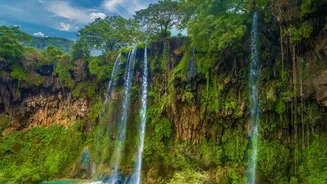
Serra da Canastra is a sanctuary for both wildlife and those who seek it. The park is one of the best places in South America to spot the elusive maned wolf and the giant anteater, alongside pampas deer and hundreds of bird species, including the critically endangered Brazilian Merganser. The landscape is dotted with over 200 waterfalls, the most famous of which is the Casca d'Anta, a spectacular 186-meter cascade that is the first major waterfall on the São Francisco River. Beyond nature, the region is famous for its culinary heritage. It gives its name to Canastra cheese, an artisanal product made from raw cow's milk that has been recognised as part of Brazil's intangible cultural heritage. Visiting a local farm to taste this mildly spicy, full-bodied cheese is an essential part of the Canastra experience.