




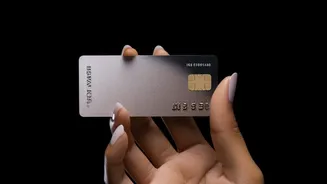


The Headline Rate Is Just the Start
In the world of borrowing, the advertised interest rate is the main attraction. For personal loans, rates can seem appealing, often starting from around 10% to 14% per annum. Credit cards, on the other hand, boast high interest rates on revolving balances,
which can be anywhere from 24% to over 40% annually. Based on this alone, a personal loan seems like the obvious winner for any planned expense. However, this is only part of the story. The true cost of borrowing emerges when you factor in a range of other fees that both products carry. Overlooking these charges is a common mistake that can cost you dearly.
Personal Loans: The Upfront Costs
The most significant charge on a personal loan, besides interest, is the processing fee. This is a one-time administrative fee that lenders deduct from your loan amount before it even hits your bank account. This fee typically ranges from 0.5% to 5% of the total loan amount, plus GST. For a loan of ₹5 lakh, a 2% processing fee plus 18% GST means you pay ₹11,800 upfront, receiving only ₹4,88,200 in your account while paying EMIs on the full ₹5 lakh. Another potential cost is the prepayment penalty. If you want to pay off your loan early, many banks charge a foreclosure fee, often between 2% and 5% of the outstanding principal, especially on fixed-rate loans. There can also be charges for late EMI payments, which can be a fixed amount or a percentage of the overdue installment.
Credit Cards: A Web of Smaller Fees
Credit cards don't have a single, large upfront fee like personal loans, but they make up for it with a complex network of smaller charges that can accumulate quickly. Many cards come with an annual maintenance fee, which can range from a few hundred to several thousand rupees. The most significant cost is the finance charge, or interest, which applies if you don't pay your entire bill by the due date. Even paying the 'minimum amount due' will subject the remaining balance to extremely high interest. Other common fees include late payment charges, which can be up to ₹1,300 for a single missed payment, and cash advance fees of around 2.5% to 3% for ATM withdrawals. Withdrawing cash from a credit card is particularly expensive, as interest starts accruing from the day of the transaction with no grace period. GST at 18% is also applied to all fees and interest charges, compounding the total cost.
Which Is Cheaper, and When?
The cheaper option depends entirely on your borrowing needs and repayment discipline. For Large, Planned Expenses: A personal loan is almost always cheaper for amounts over ₹50,000 and repayment periods longer than a few months. The structured EMI schedule and significantly lower annual interest rate make the total cost of borrowing much more manageable compared to revolving credit card debt. For Short-Term Needs: A credit card is unbeatable if you can repay the full amount within the interest-free grace period (typically up to 45-50 days). In this scenario, you are essentially getting an interest-free loan. It's ideal for smaller, everyday purchases or a temporary cash flow gap you know you can close by the next billing cycle. For Emergencies: For immediate but small emergency expenses, a credit card offers instant access to funds. However, for larger emergencies requiring a substantial sum, a personal loan will be more cost-effective in the long run.