




What is the 'Hydrogen for Heritage' Project?
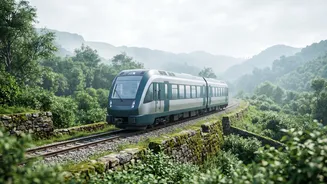
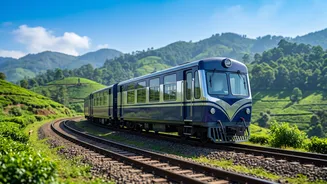
The 'Hydrogen for Heritage' project is a forward-thinking initiative by Indian Railways to run specially designed hydrogen-powered trains on its historic and narrow-gauge routes. The plan involves introducing 35 trains across eight iconic lines, including
the Kalka-Shimla Railway, Darjeeling Himalayan Railway, and Nilgiri Mountain Railway. These routes, often located in ecologically sensitive and hilly terrains, are prime candidates for this green makeover. The primary goal is to replace the old diesel locomotives, which cause noise and air pollution, with a clean alternative that preserves the natural beauty of these scenic journeys. The project kicked off with a successful pilot on the Jind-Sonipat section in Haryana, which began operations in July 2026, providing crucial data and operational experience for this wider rollout.
How Exactly Do Hydrogen Trains Work?
Think of a hydrogen train as a mobile power plant that runs on clean fuel. Instead of a diesel engine, its core component is a hydrogen fuel cell. This device takes hydrogen, stored safely in tanks on the train, and combines it with oxygen taken from the air. Through an electrochemical reaction, the fuel cell generates electricity to power the train's motors. The most remarkable part of this process is its only byproduct: water vapour. There are no greenhouse gases, no particulate matter, and no carbon emissions, making it a truly 'zero-emission' form of transport. Some trains also use batteries to store excess electricity generated, providing an extra power boost when needed for acceleration or climbing steep hills.
Why Target Heritage Routes First?
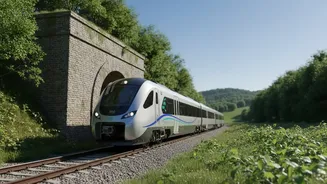
Choosing heritage routes for this technological leap is both a symbolic and practical decision. Symbolically, it showcases a commitment to preserving India's rich railway history while simultaneously embracing a sustainable future. Practically, many of these narrow-gauge lines, like the Kalka-Shimla route, pass through difficult terrain with numerous tunnels and sharp curves. This makes electrifying the tracks with overhead cables not only extremely difficult and expensive but also visually disruptive to the pristine natural landscapes that make these journeys so special. By using hydrogen trains, which generate their own power onboard, Indian Railways can decarbonise these routes without marring their aesthetic and historical integrity. It serves as a high-profile demonstration of the technology's potential before a wider, more complex rollout.
The Bigger Picture: A Step Towards Net Zero
The 'Hydrogen for Heritage' project, while significant, is one piece of a much larger puzzle. Indian Railways has set an ambitious target to become a 'Net Zero Carbon Emitter' by 2030. This is a monumental task for one of the world's largest railway networks. The strategy to achieve this goal is multi-pronged, including the near-complete electrification of its broad-gauge network, a massive shift to sourcing renewable energy, and improving overall energy efficiency. While electrification is the backbone of its decarbonisation plan, hydrogen technology offers a crucial solution for routes where electrification is not feasible. This initiative, along with others, is vital for India to meet its national climate commitments, reduce its reliance on imported fossil fuels, and position itself as a global leader in green transportation technology.