






For decades, the choice of a fizzy drink in India was a simple one, dominated by a few global cola giants. But a flavour revolution is bubbling up, and it tastes distinctly of jeera, the humble cumin seed.
A Taste of Home, Bottled
At its heart, cumin soda is a simple concept:
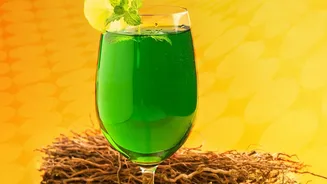
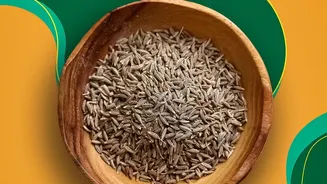
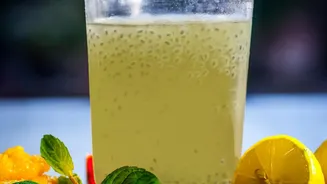
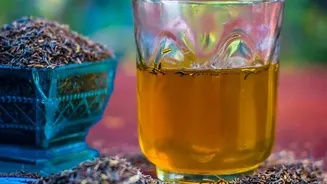
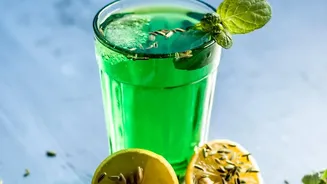
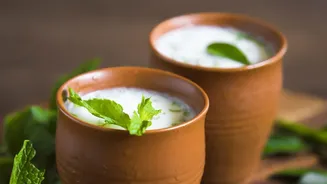
a carbonated beverage flavoured with cumin (jeera), often balanced with black salt, lemon, and other spices. The taste is a complex and uniquely Indian blend of earthy, tangy, and savoury notes. For generations, a similar drink has been a staple in Indian households and at street stalls, prized for its digestive properties and its ability to cool the body in sweltering heat. What was once a home remedy or a freshly mixed street-side refreshment is now a dominant force in the packaged beverage market, transitioning from a post-meal digestive to a mainstream soft drink choice. This shift reflects a growing consumer appetite for familiar, traditional flavours that feel both nostalgic and authentic.
From Kitchen Experiment to Market Disruptor
The commercial rise of cumin soda is a story of local entrepreneurship. One of the most prominent brands, Lahori Zeera, was famously born from an impromptu kitchen experiment in 2017 when one of its founders mixed a cumin-based fizzy drink for his cousins. This moment captured a latent demand for a professionally bottled version of a beloved traditional flavour. They are not alone. Brands like Bindu Jeera, which has been on the market for decades, have seen their sales surge recently, with the jeera variant becoming the fastest-growing category in their portfolio. This has prompted even major players like Parle Agro and Campa Cola to launch their own versions, Dhishoom and Campa Jeera, respectively. This groundswell of local and regional brands is fundamentally reshaping the market.
Chipping Away at the Cola Dominance
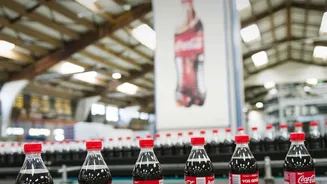
The success of these 'desi' drinks is having a tangible impact on the industry's giants. According to a recent Kotak Mutual Fund report, the market share for local and ethnic beverages in the carbonated soft drinks space doubled to around 15% by September of last year. During the same period, the combined share of global leaders Coca-Cola and PepsiCo saw a notable decline from approximately 93% to 85%. This isn't just about flavour; it's also about price. Many cumin soda brands have found immense success with an affordable Rs 10 price point, making them highly accessible in smaller towns and rural areas where much of the growth is happening. The trend is so significant that some analysts have dubbed it a 'Jio moment' for the beverage industry, where agile local players disrupt established incumbents.
More Than Just a Drink
The preference for cumin soda is part of a broader shift in Indian consumer behaviour. There's a growing desire for products that feel authentic and rooted in Indian culture. As consumers become more health-conscious, the perception of jeera as a natural, digestive ingredient gives it an edge over sugary colas. It taps into a sense of 'desi' pride and a desire for flavours that are layered and complex, moving beyond simple sweetness. The success of cumin soda is a powerful symbol of a market that is looking inward, celebrating its own heritage, and expressing a newfound confidence in local tastes. It proves that to win in modern India, understanding cultural identity is just as important as having a strong distribution network.