



As the crisp winter air settles across India, it doesn't mean your garden has to be devoid of colour. In fact, the cooler months are the ideal time for a spectacular array of flowers to flourish, turning balconies and gardens into vibrant displays.
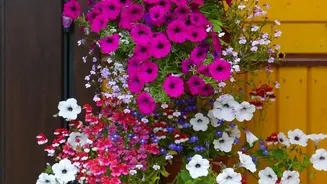
Petunia
Undoubtedly
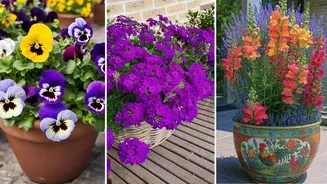
one of the stars of the Indian winter garden, the Petunia is loved for its vast range of colours and profuse blooming. Available in shades of pink, purple, red, white, and stunning bi-colours, these funnel-shaped flowers are perfect for hanging baskets, pots, and garden beds. They thrive in the mild days and cool nights of the Indian winter, flowering from December through to March. For best results, provide them with at least five to six hours of direct sunlight and water them when the topsoil feels dry. Regularly removing faded flowers, a practice known as deadheading, will encourage the plant to produce a continuous flush of fresh blooms all season long.
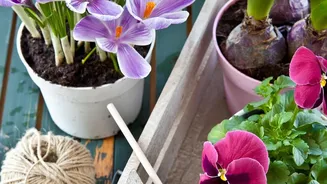
Pansy
With their unique, face-like markings and velvety petals, Pansies are a charming addition to any cool-weather garden. They are low-growing plants that adore the cold and are excellent for borders, window boxes, and small pots. In the plains of India, the best time to grow them is from October to November, which allows for blooms from winter through to early spring. Pansies prefer a spot with full sun to partial shade and consistently moist, but not waterlogged, soil. Their vibrant colours, including deep purples, blues, yellows, and whites, are sure to brighten up even the greyest of winter days.
Chrysanthemum (Guldaudi)
Often called the 'Queen of Winter Flowers', the Chrysanthemum, or Guldaudi, is a staple in Indian winter gardens. These plants produce an abundance of beautiful flowers in various shapes, sizes, and colours like white, yellow, pink, and red. Chrysanthemums thrive in the winter season, from October to February in the Indian plains. They require about five to six hours of sunlight and soil that is kept evenly moist. Depending on the variety, a single plant can produce dozens of flowers, making it a highly rewarding plant for both garden beds and pots. They also make for excellent, long-lasting cut flowers.
Calendula (Pot Marigold)
Not to be confused with the common Marigold, Calendula brings a splash of sunshine with its bright yellow and orange daisy-like flowers. It is a hardy flower that grows easily from seed and thrives in cool weather. Calendula is very adaptable, growing well in average soil as long as it is well-draining, and it prefers a spot with full sun. One of the great benefits of Calendula is that its petals are edible and have been used traditionally in teas and for medicinal purposes. Regular picking of the flowers encourages the plant to produce new buds, ensuring a steady supply of sunny blooms.
Dahlia
Known for their dramatic and often dinner-plate-sized blooms, Dahlias are a show-stopping addition to any garden. While some varieties can be grown year-round in certain climates, many perform exceptionally well in the cool, dry weather of an Indian winter. These tuberous plants need at least six to eight hours of direct sunlight to produce their spectacular layered flowers. They come in a vast array of colours and forms. The soil should be well-drained, and care should be taken not to overwater, especially when the plant is dormant. With proper care, these plants can provide breathtaking flowers that serve as a garden's centerpiece.
Carnation (Dianthus)
Also known as Dianthus, Carnations are cherished for their frilly petals and a lovely, often spicy, clove-like fragrance. They grow best in India during the cooler winter and early spring months, preferring temperatures between 15°C and 25°C. These flowers come in a variety of colours like pink, red, and white and are suitable for pots, borders, and rock gardens. Carnations love sunlight, requiring four to six hours a day, and need well-drained soil as they dislike having wet roots. They are relatively low-maintenance and make for wonderful cut flowers, allowing you to bring their beauty and scent indoors.
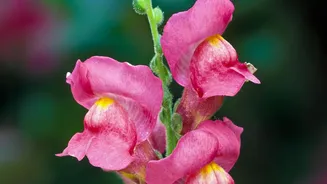
Snapdragon (Antirrhinum)
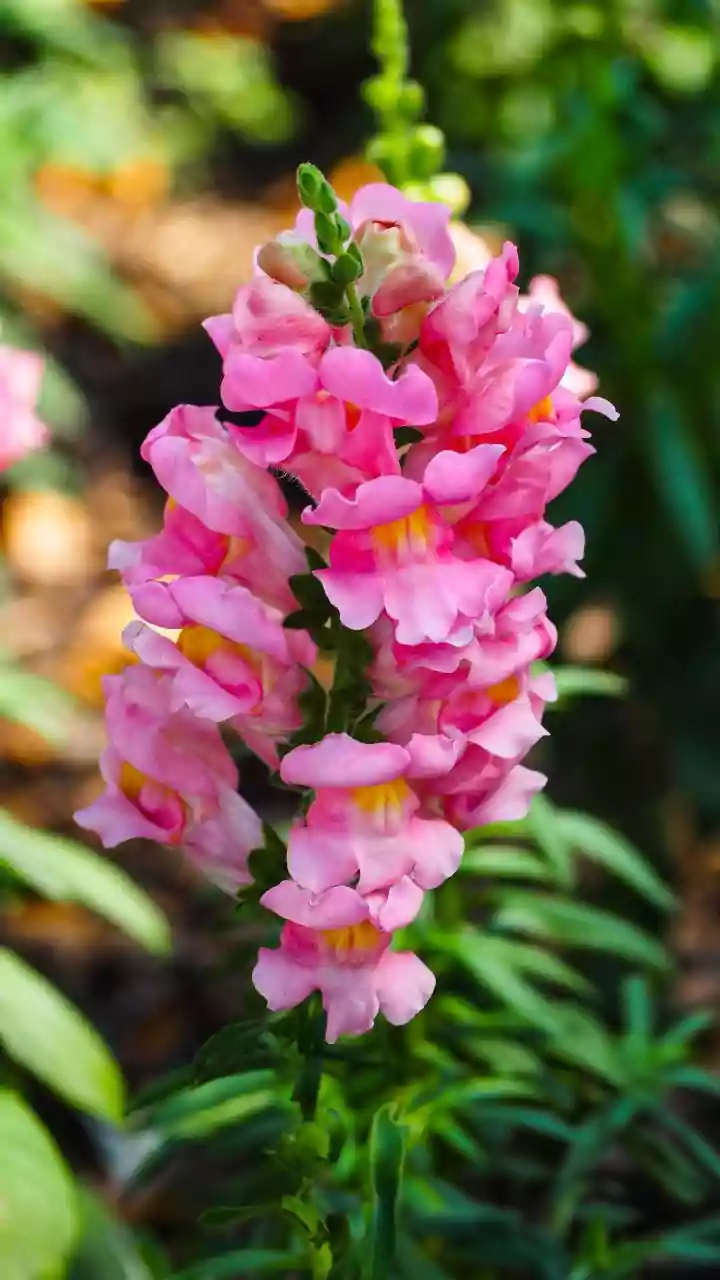
Snapdragons add a unique vertical element to the garden with their tall stalks of colourful flowers, which famously resemble a dragon's snout that opens and closes when squeezed. These plants are cool-season flowers, often grown as annuals in regions with freezing winters but can perform as perennials in milder climates. They thrive in full sun or partial shade in well-drained, rich soil. In North India's plains, Snapdragons are a top performer, with the cold weather often intensifying the brightness of their blooms. They are available in a wide spectrum of colours and are excellent for adding height to garden beds and for use as cut flowers.