






The Gentle Art of Noticing
At its heart, breath awareness is the simple act of paying attention to your natural respiratory rhythm. Unlike more forceful pranayama techniques, gentle breath counting doesn't involve holding your breath for long periods or pushing your lung capacity.
The goal is not to control the breath, but to observe it. The 'counting' part is merely a tool to anchor your wandering mind to the present moment, giving it a simple, quiet task instead of letting it drift into thoughts of the past or future. By focusing on a gentle count, you allow your nervous system to settle, signaling to your body that you are safe. This practice is an accessible starting point for anyone new to meditation or for those who find more intense breathing exercises overwhelming.
A Simple Guide to Breath Counting
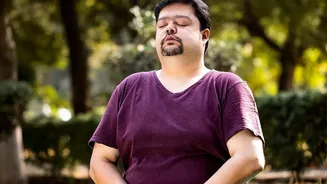
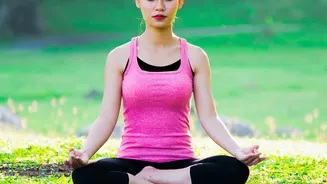
You can do this exercise almost anywhere—sitting in a chair, at your desk, or lying down. Start by finding a comfortable but upright posture. Let your shoulders relax and your hands rest in your lap.1. Settle In: Close your eyes or soften your gaze. Take a moment to feel your body supported by the chair or floor.2. Breathe Naturally: Let your breath flow at its own pace. Don't try to change it. Your only job is to notice it.3. Start Counting: There are two common methods. You can count each inhale and exhale (Inhale 'one', exhale 'two', etc.), or you can count only on the exhale (Inhale, exhale 'one'; Inhale, exhale 'two'). Many traditions suggest counting to ten and then starting again at one.4. The Gentle Return: Your mind will wander. This is completely normal and expected. When you notice your thoughts have drifted, don't judge yourself. Simply and gently guide your attention back to the breath and start your count again at 'one'. This act of returning is the core of the practice.
Common Mistakes to Avoid
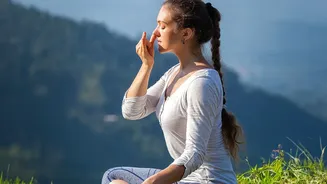
The most common mistake is trying too hard. Many people, once they start counting, subconsciously try to control or force their breath to fit a perfect rhythm. This creates tension, which is the opposite of the intended effect. Remember to let the breath lead and the count follow. Another pitfall is shallow chest breathing. To ensure you are breathing diaphragmatically, you can place one hand on your belly and one on your chest. Focus on feeling the hand on your belly rise gently with the inhale, while the hand on your chest remains relatively still. Also, be mindful to breathe through your nose, as this naturally filters the air and helps calm the nervous system, whereas mouth breathing can trigger a stress response.
The Benefits of a Consistent Practice
The rewards of regular, gentle breath counting are well-documented. By activating the body's relaxation response (the parasympathetic nervous system), this practice can effectively lower stress hormones like cortisol. This leads to reduced feelings of anxiety, a calmer pulse, and lower blood pressure. Over time, this mindful attention to the breath enhances focus and mental clarity by training the mind to return from distraction. It can also improve emotional regulation and lead to better quality sleep by calming the nervous system. The key is consistency; even five minutes a day can have a significant impact.
When to Be Cautious
Gentle breath counting is safe for most people. However, if you have a history of severe respiratory conditions, certain cardiac disorders, or neurological conditions like epilepsy, it's wise to proceed with caution. While this gentle practice avoids the forceful techniques and long breath holds (kumbhaka) that are contraindicated for these conditions, listening to your body is paramount. If at any point you feel dizzy, light-headed, or increasingly anxious, stop the practice and return to normal breathing. For some people, particularly those with a history of trauma, focusing on the breath can sometimes increase anxiety. If that happens, it's okay to stop and switch to a different grounding technique.