



From Showroom to Sanctuary
For generations, the home was often a stage. Formal living rooms, untouched and pristine, were reserved for special occasions, while daily life was relegated to family rooms and kitchens. This approach created what some designers call "museum spaces that
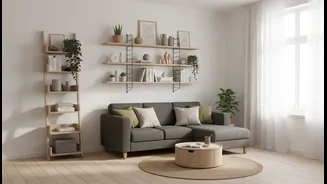
gather dust"—beautiful, expensive, yet fundamentally underutilized areas. The cultural shift towards casual living, accelerated by the pandemic which forced us to work, learn, and play within our own four walls, has rendered this formality obsolete. Homeowners now prioritise authenticity and comfort, demanding spaces that reflect and support their actual lifestyles rather than an aspirational, formal ideal. The house is no longer about projecting an image, but about providing a functional, comfortable, and deeply personal sanctuary.
The Rise of the Multi-Functional Room
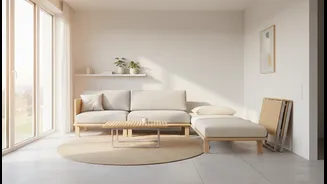
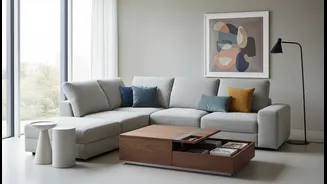
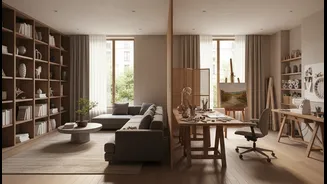
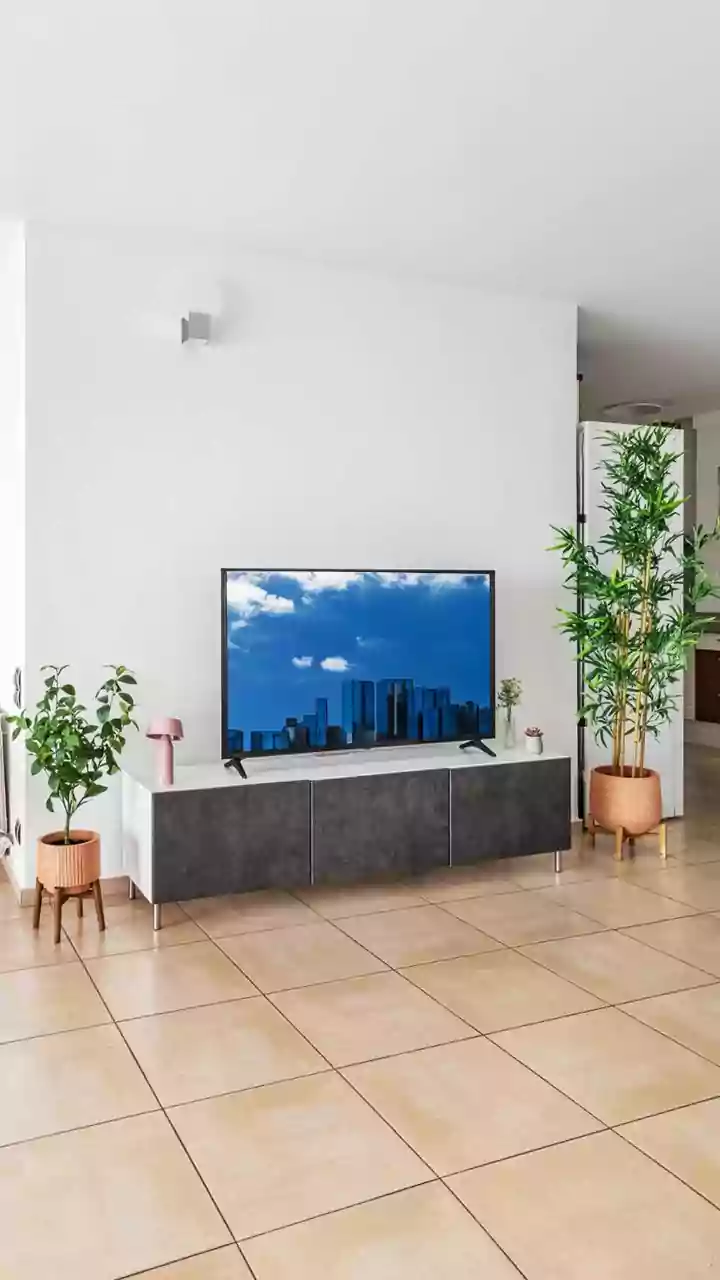
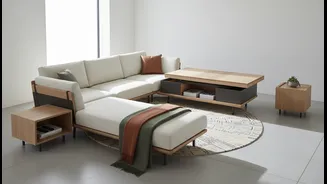
The most significant casualty of this shift is the single-purpose room. Formal living and dining rooms are increasingly being absorbed into open-concept layouts or repurposed entirely. In their place, the multi-functional space has emerged as a defining trend. This is about making every square foot work harder. A dining table becomes an impromptu workstation, a living room doubles as a yoga studio, and a guest room might feature a fold-out desk for a home office. This evolution is driven by changing lifestyles, a desire for efficiency, and innovations in adaptable furniture like Murphy beds, modular sofas, and expandable tables that allow spaces to transform in moments. This ensures no part of the home is underutilised, making living more convenient and adaptable.
Carving Out 'Me' Time with Hobby Zones
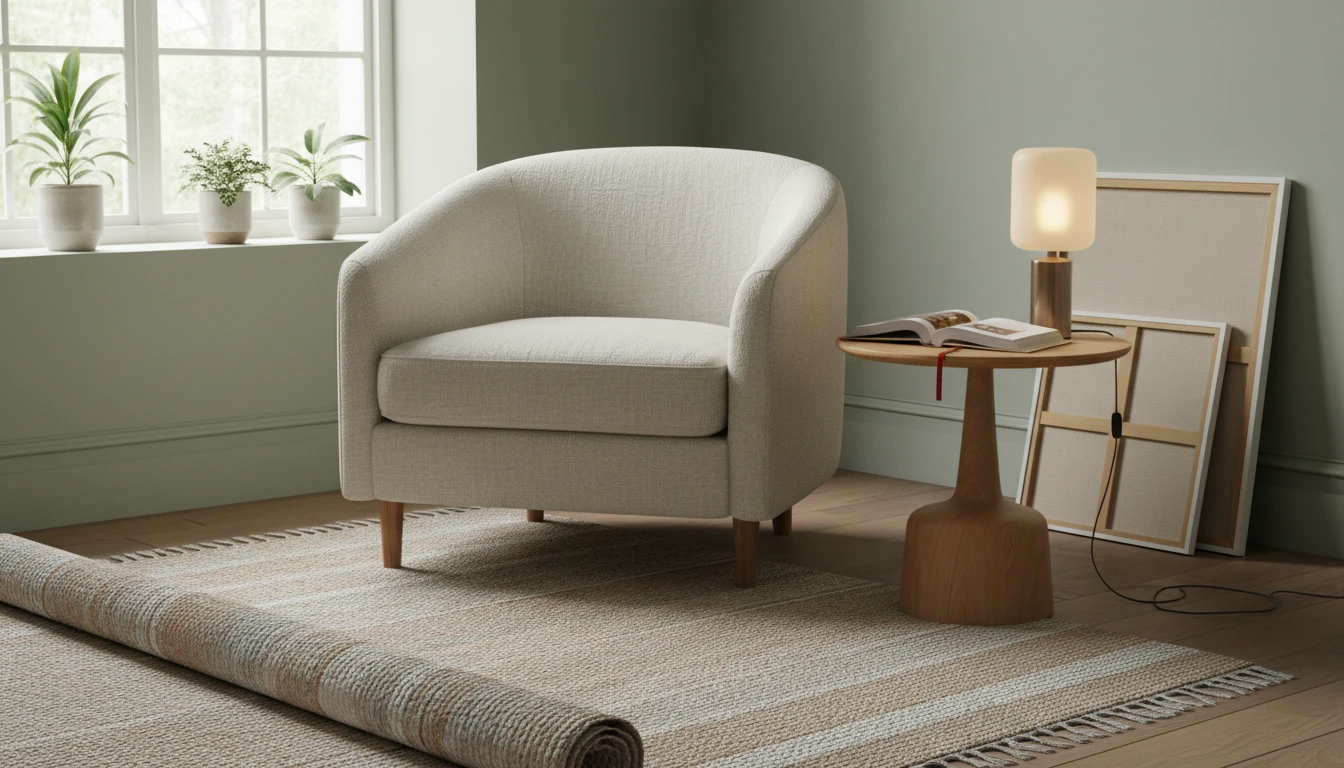
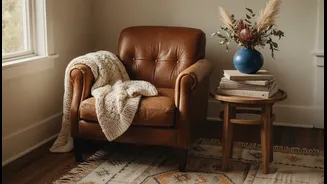
As our homes become hubs for every facet of life, creating dedicated zones for personal passions has become a necessity for well-being. These 'hobby rooms' or nooks provide a mental and physical escape from daily distractions. It’s not always about having a spare room; it can be a corner of the basement turned into a music studio, an attic converted into an artist's loft, or simply a well-organized nook for crafting or reading. These activity-specific zones can be designed for anything from fitness and meditation to gaming and gardening. The key is creating an intentional space—even a small one—that supports focus, fosters creativity, and allows for unwinding and personal growth.
An Aesthetic of Authenticity
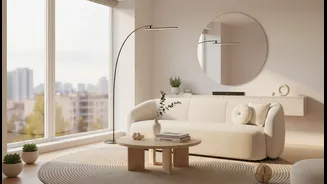
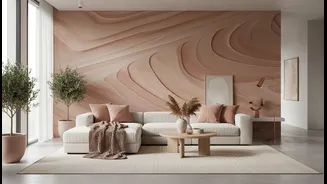
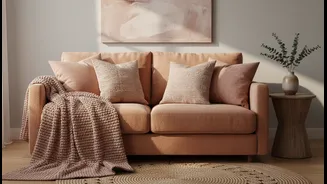
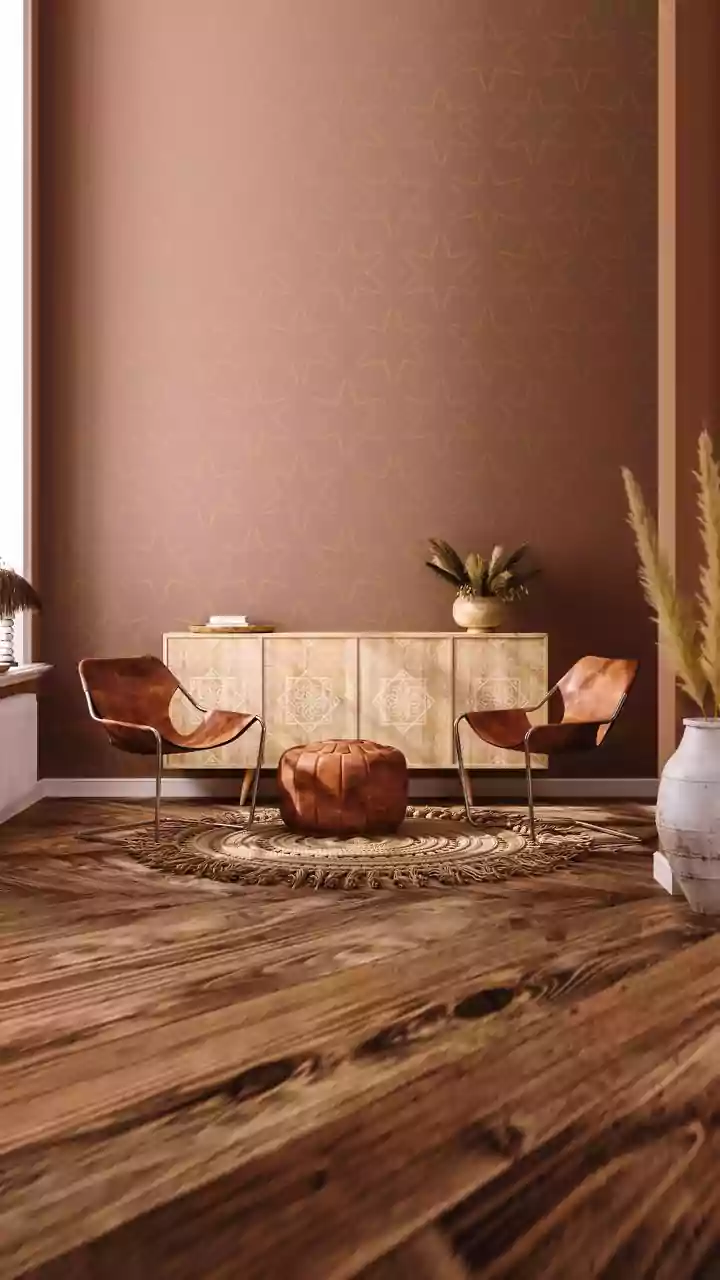
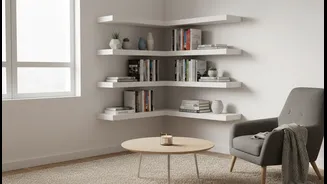
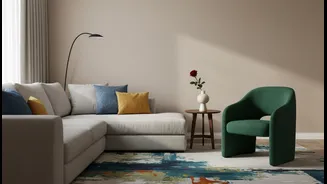
This functional shift naturally impacts the aesthetics of our homes. The goal is no longer sterile perfection but warm, personal, and lived-in comfort. In India, for instance, trends are moving towards warm minimalism, blending global aesthetics with local practicality. This involves using warmer, earthy colour palettes, natural materials like wood and rattan, and layered textures to create depth and an inviting atmosphere. It’s about creating spaces that are expressive but not overwhelming. Rather than hiding away the tools of our daily lives, they are often incorporated into the decor. Well-organised open shelving, curated collections of personal items, and proudly displayed kitchen gadgets all contribute to a home that tells the story of the people who live there. This approach values a home that feels both luxurious and effortless, where comfort and character coexist.