




The Heart of the Weave
Akwete cloth originates from the Igbo town of Akwete in Abia State, Nigeria. This is not just fabric; it is a hand-woven testament to a tradition passed down through generations, primarily by women. Unlike the horizontal looms used by men in other parts
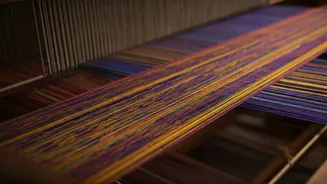
of Nigeria, Akwete is created on a large, vertical loom, enabling weavers to produce a single, wide piece of cloth rather than sewing narrow strips together. This technique allows for complex, continuous patterns that make the textile so visually striking. The base material is typically cotton, but weavers incorporate a vast array of other threads—from shimmering rayon and silk to metallic lurex—to create decorative motifs that float against the background.
A Legacy Woven by Women
The story of modern Akwete is inextricably linked to a legendary 19th-century weaver named Dada Nwakwata (also spelled Nwakata). She was a master innovator who, inspired by imported European and Indian textiles brought by traders, revolutionised the craft. Legend holds that she was so skilled she could operate multiple looms at once and was fiercely protective of her unique designs, which were said to be revealed to her in dreams. It was Nwakwata who began weaving with brightly coloured imported cottons and expanded the cloth's dimensions, transforming it from a simple utility fabric into a sought-after symbol of prestige and ceremony. The tradition she championed remains a female-dominated vocation, with mothers teaching their daughters the skill from as young as seven years old.
A Language in Every Thread
Akwete motifs are not merely decorative; they form a rich visual language with deep cultural meaning. Weavers claim to know over a hundred different designs, many of which carry specific names and symbolism. Some patterns were historically reserved for royalty, and wearing them as a commoner could lead to severe punishment. The most famous motif is the 'Ikaki' or tortoise pattern, which symbolises wisdom, royalty, and peace. Other designs are inspired by the natural world, household items, or even spiritual beliefs, with some weavers claiming their designs come directly from dreams, granting them an unwritten copyright to the pattern. This turns each cloth into a unique story, a piece of art imbued with personal and collective history.
From Tradition to Global Runway
Once used primarily for traditional wrappers worn by both men and women, Akwete is finding new life. Its durability and rich texture make it perfect for structured, modern garments. Contemporary Nigerian designers like Emmanuel Okoro of Emmy Kasbit have been instrumental in this renaissance, showcasing Akwete in jackets, trousers, and architectural gowns on international fashion runways. This global exposure, including a notable jacket worn by former British Prime Minister Theresa May, has introduced Akwete to a new audience. Furthermore, universities have established weaving centres, and a younger generation is blending traditional methods with modern tastes, ensuring the craft continues to evolve rather than stagnate.
The Challenges of Preservation
Despite this renewed interest, Akwete weaving faces significant challenges. The slow, meticulous process of hand-weaving struggles to compete with cheap, mass-produced textiles. There is also a lack of institutional support and infrastructure compared to other Nigerian crafts like Adire or Aso-Oke. For designers outside of the community, accessing authentic Akwete can be difficult due to a fragmented supply chain and a traditional secrecy that sometimes views outside collaboration with suspicion. For this incredible craft to truly secure its future, it needs a bridge between the weavers' deep heritage and the logistical demands of the modern global market, fostering sustainable partnerships that honour both artistry and commerce.