


The Allure of a Rainy Safari
For decades, the conventional wisdom for wildlife travel in India has been clear: go during the dry, hot months when animals congregate around dwindling water sources. The monsoon, from July to September, was considered the off-season, with most core
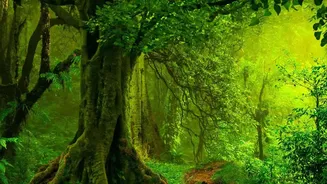
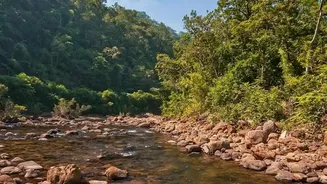
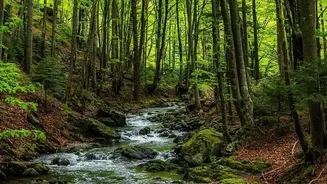
areas of national parks closing down. But that perception is changing. Travellers are now discovering the unique magic of the monsoon safari, an experience that trades guaranteed sightings for atmosphere, solitude, and breathtaking landscapes. The primary draw is the transformation of the forest itself. Parched, dusty landscapes erupt into a thousand shades of green, streams and waterfalls come to life, and the air is crisp and clean. It’s a photographer’s dream, with dramatic, misty skies and vibrant foliage creating a stunning backdrop for any wildlife that appears. Add to that fewer crowds and lower off-season rates, and the appeal becomes undeniable for those seeking a more peaceful connection with nature.
Where to Go: Parks Open in August
While it's true that the core zones of most tiger reserves shut down for the monsoon to allow for animal breeding and prevent damage to forest roads, many parks keep their buffer zones open. These peripheral areas are crucial wildlife corridors where animals move freely, offering excellent safari opportunities. In North India, Ranthambore National Park in Rajasthan keeps zones 6 through 10 open, allowing for jeep safaris amidst its rejuvenated greenery. Similarly, buffer zones in Uttarakhand’s famous Jim Corbett National Park, such as Jhirna, Dhela, and Sitabani, remain accessible. In Central India, states have embraced monsoon tourism. The buffer zones of parks like Tadoba-Andhari in Maharashtra and Pench, Bandhavgarh, and Satpura in Madhya Pradesh are open for exploration. Down South, the experience is even more seamless. Parks in Karnataka like Nagarhole (Kabini) and Bandipur, as well as Periyar National Park in Kerala, are open year-round, weather permitting, offering lush, rain-washed landscapes.
Managing Expectations: What You Will See
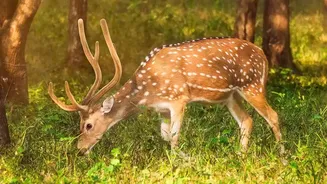
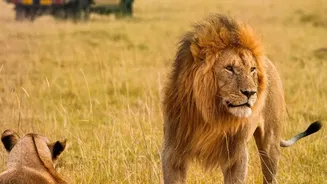
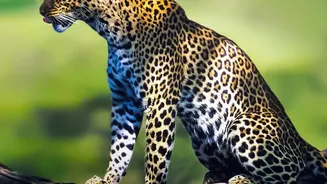
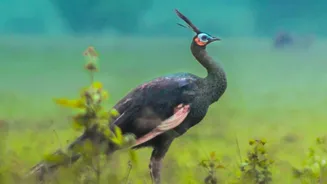
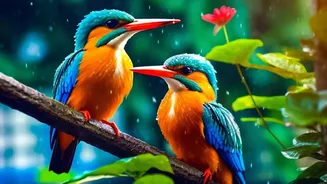
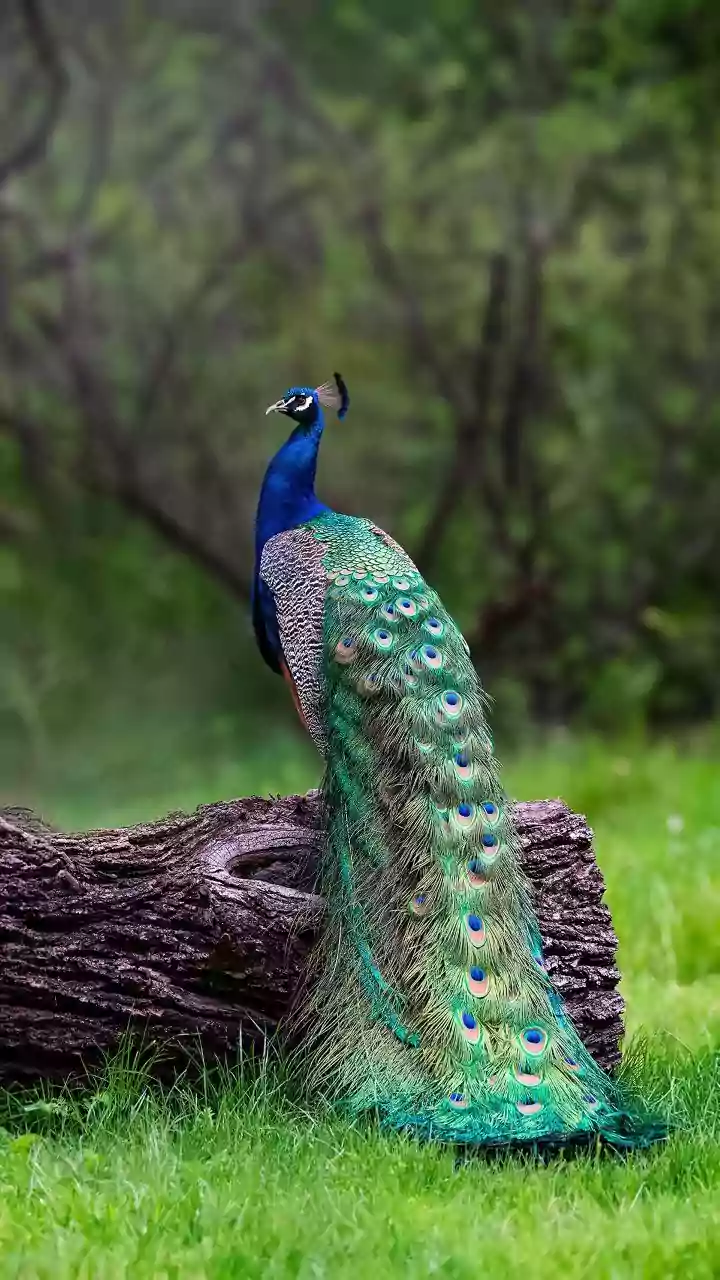
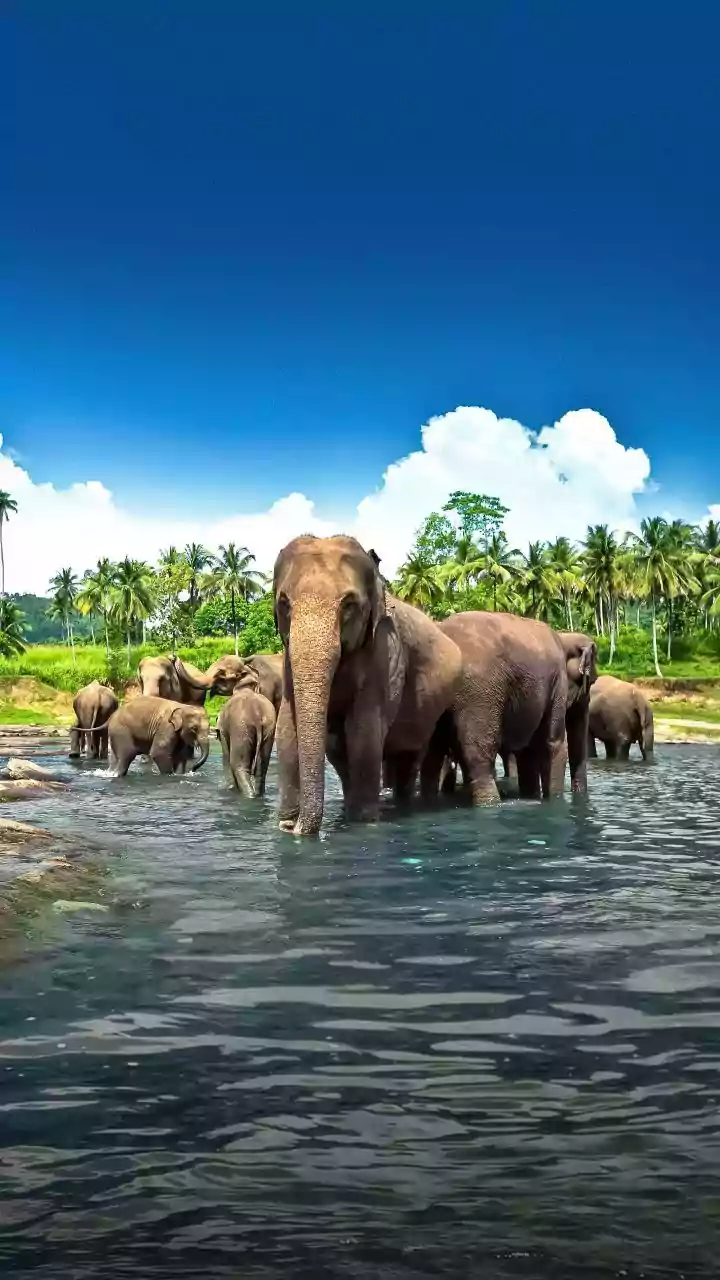
A monsoon safari is different from a peak-season one, and it's important to adjust expectations. The dense, lush vegetation can make spotting elusive predators like tigers and leopards more challenging. However, that doesn't mean sightings are impossible. In fact, some argue that cooler temperatures keep big cats active for longer periods. What is certain is an increase in other wildlife activity. This is a fantastic time for birdwatching, as resident birds are active and many migratory species arrive. Herbivores like deer, sambar, and wild boar are often seen grazing on fresh shoots. Elephants, in particular, seem to revel in the rain. The monsoon also brings out a world of macro life, from colourful insects and amphibians to various reptiles, which are often overlooked during the dry season. The focus shifts from a single-minded tiger quest to appreciating the entire ecosystem in its most vibrant form.
The Full Sensory Experience
Beyond the checklist of animals, an August safari is about immersing yourself in the jungle's heightened sensory environment. It’s about the earthy smell of petrichor rising from the soil after a downpour, the sound of raindrops drumming on the jeep’s canvas roof, and the sight of mist hanging low over the valleys at dawn. The forest is audibly alive, buzzing with the chorus of insects and the calls of frogs. The dramatic, overcast skies lend a moody, cinematic quality to the landscape. It's an intimate and often meditative experience, far removed from the clamour of dozens of jeeps jostling for position. You have the chance to listen to the forest, to notice the small details, and to see a familiar place made new by the life-giving rains.
Essential Tips for Your Monsoon Adventure
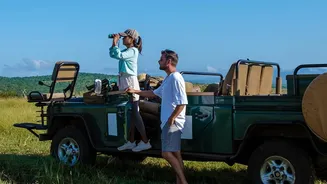
Planning a monsoon safari requires a bit of extra preparation. First and foremost, check the official websites of the national parks for the most current information on which zones are open, as heavy rains can sometimes lead to temporary closures. When packing, prioritise waterproof gear. A good raincoat, waterproof boots, and dry bags for your electronics are essential. Quick-drying clothes are more practical than heavy fabrics. Insect repellent is a must, as the humid weather brings out mosquitoes and other bugs. Always book a reliable 4x4 jeep with an experienced driver and guide who knows the monsoon terrain and animal behaviour. Finally, embrace the unpredictability. A sudden downpour might interrupt your drive, but it also offers the chance to pause and simply watch the forest drink in the rain.