







What Exactly Is a CGM?
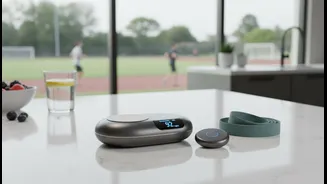
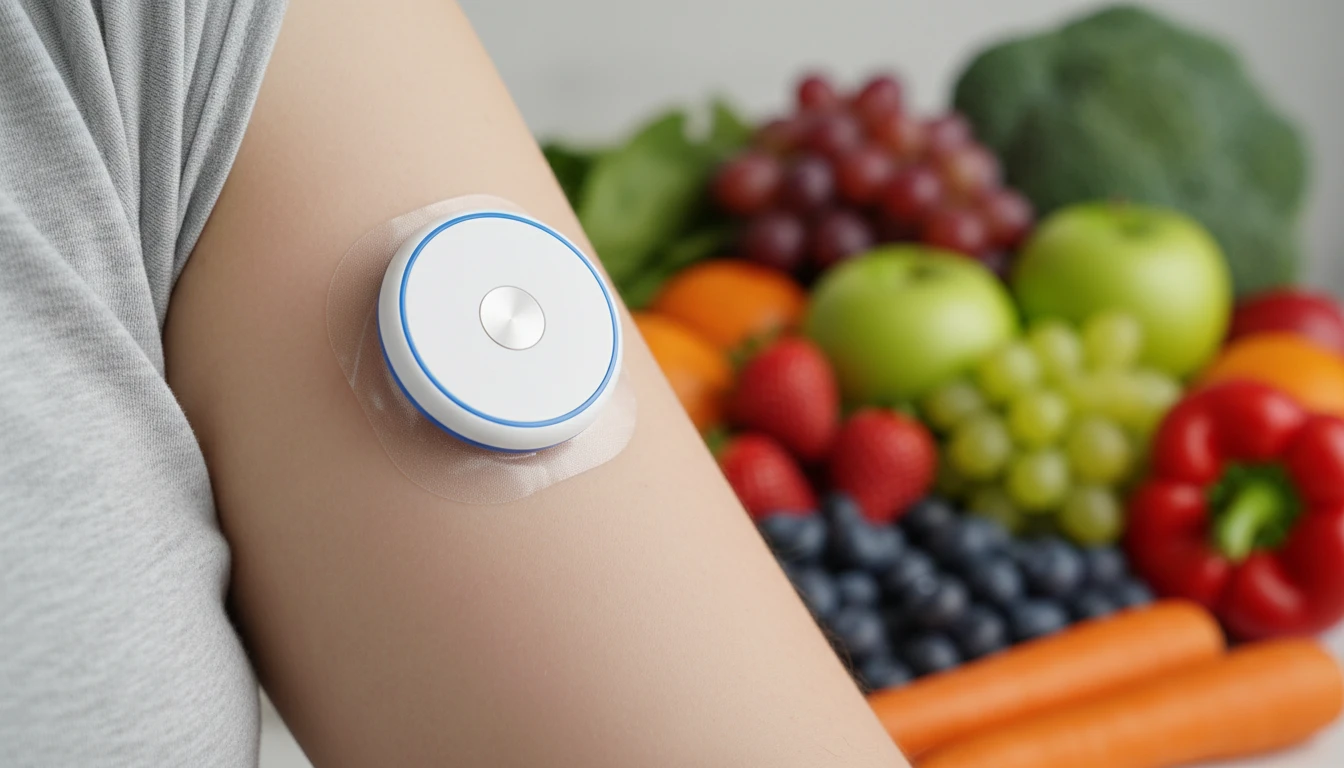
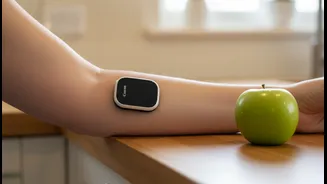
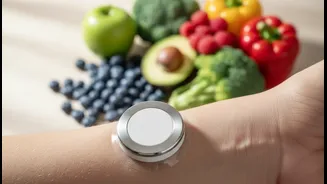
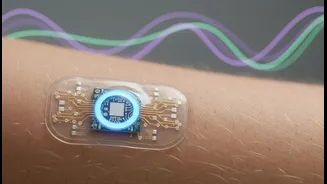
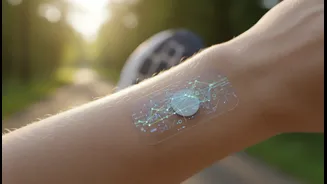
A continuous glucose monitor is a wearable device that tracks your blood sugar levels around the clock. It works through a tiny sensor inserted just under the skin, usually on the arm or stomach, which measures the glucose in the fluid between your cells.
This data is then sent to a smartphone app every few minutes, giving you a real-time picture of your glucose fluctuations without the need for constant finger-prick tests. Originally designed as a life-saving tool for people with diabetes, this constant stream of data is now catching the eye of the health-conscious who don't have the condition.
The Appeal for Peak Performance
For athletes and serious fitness enthusiasts, the logic is compelling. Glucose is the body's primary fuel source, especially during exercise. The theory is that by monitoring glucose levels in real time, you can perfectly time your nutrition to optimize energy, endurance, and recovery. Endurance athletes, in particular, are using CGMs to understand how their bodies respond to intense activity and to dial in their fuelling strategies, avoiding the dreaded energy crash that comes from depleted glucose stores. It’s a part of a larger bio-hacking trend, where individuals use data to fine-tune their body's performance. The device provides immediate feedback on how different foods, stress levels, and sleep patterns impact their metabolic health.
Beyond the Gym: The Wellness Promise
The curiosity extends beyond just athletes. Many people are using CGMs as a tool for general wellness, weight management, and metabolic health. The promise is one of personalization; instead of following a generic diet, you can see exactly how that bowl of dal or slice of mango affects your specific body. Companies marketing these devices to non-diabetics suggest they can help users stabilize energy levels, reduce cravings, and make healthier choices by understanding their unique glucose responses. This empowers users with a stream of data that helps them feel in control of their health long before any issues might arise.
A Reality Check From Medical Experts
While the technology is powerful, many doctors and dietitians urge caution. For healthy individuals without diabetes, the body is already excellent at regulating blood sugar. Experts point out that there's very little research on the long-term benefits of CGM use for the general population. There are also concerns that the devices can be inaccurate in people without diabetes, sometimes over-reporting high blood sugar levels or giving false low-sugar alarms, which can cause unnecessary anxiety. Furthermore, this constant stream of data can be misinterpreted, leading to a fear of certain foods, like carbohydrates, and potentially fostering disordered eating patterns or health anxiety.
Cost and Accessibility in India
For those curious to try, the biggest hurdle is often the cost. In India, a single sensor, which typically lasts for about 14 days, can cost anywhere from ₹4,200 to over ₹8,000, depending on the brand and features. For example, the popular Abbott FreeStyle Libre sensor costs about ₹4,200 to ₹4,400. Newer, direct-to-phone models like the LinX CGM are priced similarly but offer more features. Some companies, like Healthify, bundle the device with AI-driven coaching plans, with packages starting around ₹6,500. Since this is considered an off-label use for non-diabetics, these costs are typically not covered by insurance, making it a significant out-of-pocket expense for a wellness experiment.