





Why Monsoon Is a Challenge for Potted Plants
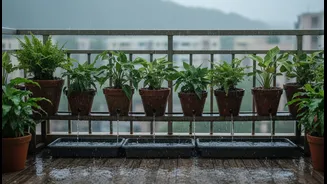
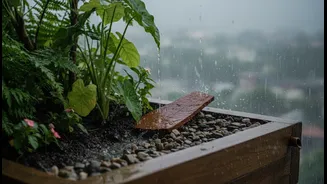
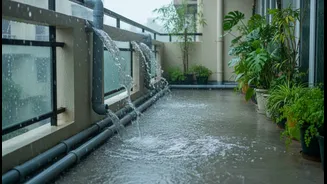
The Indian monsoon offers a refreshing break from the summer heat, turning everything green. For your balcony plants, however, the constant downpour can be deadly. The primary enemy is waterlogging. When soil in a pot becomes saturated, the tiny air pockets
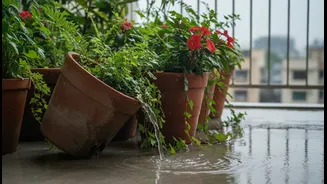
roots need to breathe are filled with water. This lack of oxygen suffocates the roots, leading to a condition called root rot. The signs are often misleading: a plant might look wilted or have yellowing leaves, prompting you to water it more, when in fact it's drowning. Unlike plants in the ground where excess water can seep away, potted plants are trapped with whatever moisture their container holds, making them especially vulnerable during this season.
The 'Secret' Is a System, Not a Single Trick
The secret to monsoon success isn’t a single, magical tip but a systematic approach to drainage. It involves three key components: the pot you use, the soil you prepare, and how you position your plants. Getting these three elements right creates an environment where excess water can escape quickly, allowing roots to breathe even during the heaviest showers. It's about proactively creating a defense against waterlogging rather than reacting after your plants are already showing signs of distress. Let's break down how to build this foolproof system for your balcony garden.
It Starts with the Right Pot
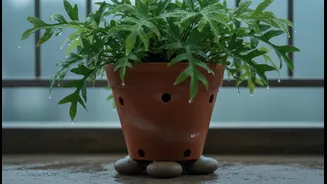
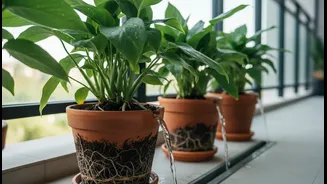
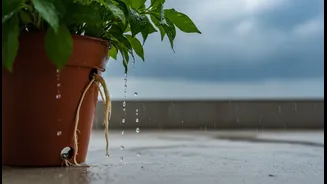
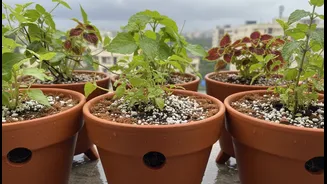
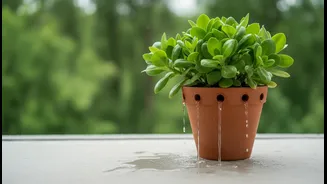
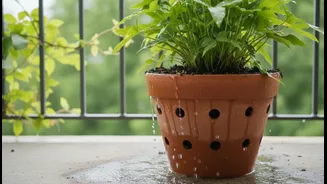
Before you even think about soil, look at your containers. The most critical feature is drainage holes—and not just one tiny hole. Ensure your pots have multiple, unobstructed holes at the bottom. If they don't, don't hesitate to drill more. The material of the pot also matters. Porous containers like traditional terracotta (clay) pots are excellent for the monsoon as they allow moisture to evaporate through their walls, helping the soil dry faster. Plastic pots are less breathable and will retain more water, so they require an even more vigilant approach to drainage. No matter the material, never place a plant in a decorative pot without drainage holes unless you use it as a cachepot, placing a smaller nursery pot with holes inside.
Crafting a Monsoon-Ready Soil Mix
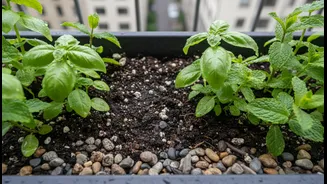
Standard garden soil is too dense for pots. It compacts easily and holds onto water, creating a muddy mess. During monsoon, you need a light, airy, and well-draining potting mix. A great DIY recipe for Indian conditions is to combine equal parts of garden soil, compost (like vermicompost), and a material that improves structure and drainage. This third component is crucial. You can use cocopeat, which helps retain slight moisture while keeping the soil light, mixed with coarse sand or perlite. Perlite, the small white volcanic rocks, creates air pockets in the soil, dramatically improving drainage and preventing compaction. This mix ensures that water flows through while providing the necessary nutrients and support for the roots.
Elevate Your Plants for Better Airflow
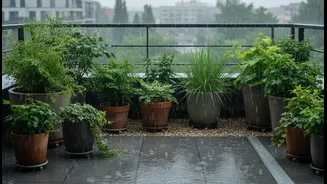
One of the simplest yet most effective monsoon hacks is to lift your pots off the ground. When a pot sits directly on the balcony floor, the drainage holes can get blocked, and the base can sit in a puddle of water. This prevents excess water from escaping and stops air from circulating underneath. Use pot feet, bricks, or dedicated plant stands to elevate your containers by even a few inches. This small gap allows water to drain freely and increases airflow around the base of the pot, helping the soil to dry out more evenly between rains. It's a simple move that can significantly reduce the risk of root rot.
Rethink Your Watering Schedule
Finally, adjust your own habits. During the monsoon, the rain will do most of the watering for you. The biggest mistake is to continue watering on a fixed summer schedule. Always check the soil before reaching for the watering can. The classic finger test is your best friend: insert your finger about an inch or two into the soil. If it feels moist, do not water the plant. Wait for the top layer of soil to feel dry to the touch. For succulents and cacti, which are extremely sensitive to overwatering, you may need to move them to a sheltered spot to protect them from direct, heavy rainfall.