



The Modern Pickle Paradox
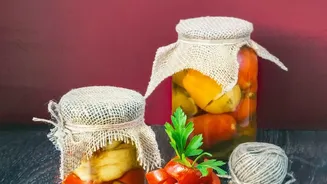
Pickles are a cornerstone of Indian cuisine, a burst of pungent, spicy, and sour flavour that can liven up the simplest meal. For generations, the art of pickling was a seasonal ritual in households, a method of preserving fruits and vegetables using
natural ingredients like salt, spices, and sunlight. These homemade creations were not just condiments; they were a taste of home. Today, however, the convenience of store-bought pickles has made them a pantry staple. Yet, as consumers become more ingredient-aware, they are starting to look closer at the labels on these jars, questioning the trade-off between convenience and what is actually inside.
Fermentation: Nature’s Preservation Process
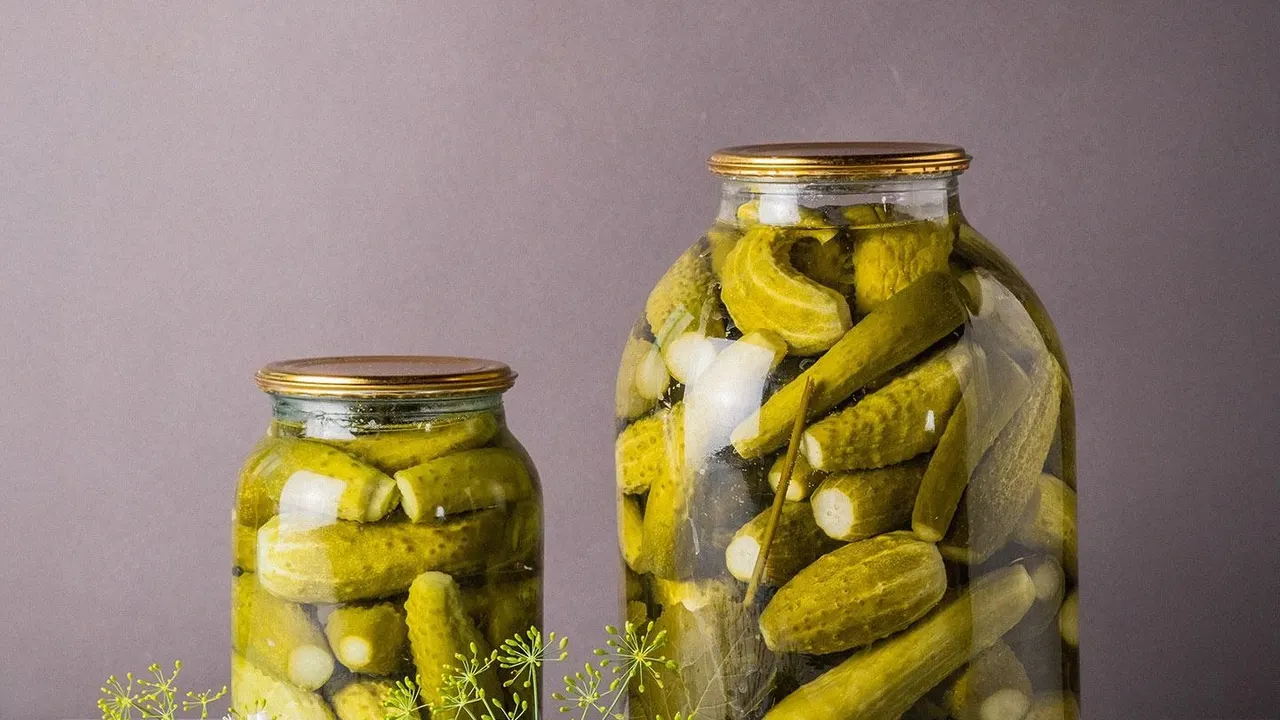
The magic behind traditional pickles lies in lacto-fermentation. This ancient technique involves submerging vegetables in a simple salt and water brine. Naturally present beneficial bacteria, primarily from the Lactobacillus species, get to work converting the sugars in the vegetables into lactic acid. This lactic acid is a natural preservative, creating an acidic environment that prevents the growth of harmful bacteria. This process is entirely different from modern commercial pickling, which often relies on vinegar and heat to create a shelf-stable product quickly. While both methods result in a tangy pickle, only fermentation creates a food that is alive with beneficial microorganisms.
The Gut Health Advantage
The primary driver behind the shift to fermented pickles is the growing awareness of gut health. Fermented foods are a natural source of probiotics, the 'good' bacteria that support a healthy digestive system. A balanced gut microbiome is linked to improved digestion, enhanced nutrient absorption, and a stronger immune system. Commercially produced, vinegar-based pickles that are pasteurised (heated) to extend shelf life lack these live probiotic cultures. So, while they provide the sour taste, they do not offer the same gut-friendly benefits as their traditionally fermented counterparts.
What’s Hiding in Commercial Pickle Jars?
To achieve a long shelf life and consistent taste, mass-produced pickles often contain a range of artificial preservatives. One of the most common is Sodium Benzoate (often listed as INS 211), which inhibits mould and yeast growth. While considered safe in regulated amounts, there are concerns that it can form benzene, a carcinogen, when it reacts with vitamin C, which is naturally present in many pickled fruits and vegetables. Other additives like synthetic acetic acid are used to create a sour taste quickly, bypassing the slow, natural fermentation process. These chemicals, along with high levels of sodium, are leading many to seek out cleaner alternatives.
A Return to Artisanal Roots
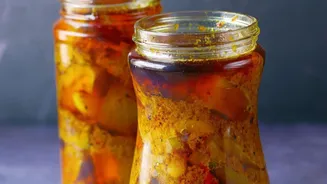
In response to this growing demand for authenticity and health, a new wave of artisanal and homemade pickle brands is emerging across India. Many of these businesses, often started by home cooks and food enthusiasts, are reviving treasured family recipes and traditional, preservative-free methods. This movement celebrates regional diversity, from the fiery Avakaya of Andhra Pradesh to the sweet and spicy Chhundo of Gujarat. By focusing on small-batch production, high-quality local ingredients, and natural fermentation, these brands offer a product that is not only more flavourful but also aligns with a modern desire for clean, transparent food.