

The Charm and the Challenge
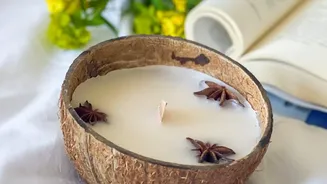
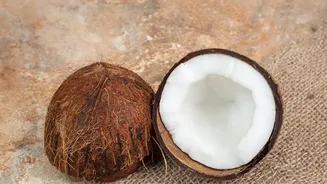
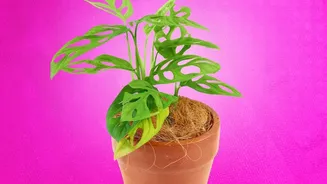
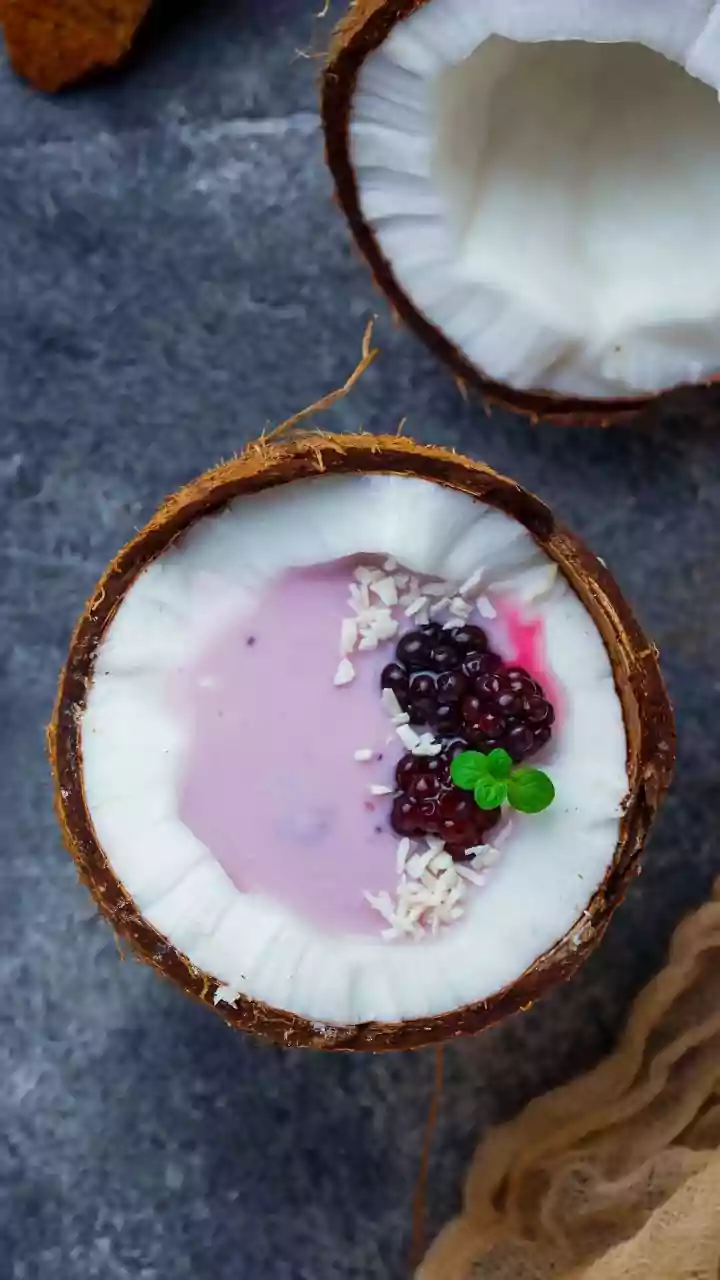
There's a lot to love about using coconut shells as planters. They are sustainable, biodegradable, and bring an organic, tropical vibe to your home or garden. After the coconut's flesh and water are used, the sturdy shell remains, providing a perfect
vessel for small plants like succulents, herbs, or air plants. This act of upcycling is both environmentally conscious and aesthetically pleasing. However, the very feature that makes them unique—their rounded bottom—is also their biggest flaw. Unless you've purchased a shell that has been specifically cut to have a flat bottom, it will be naturally prone to wobbling and tipping over at the slightest nudge, sending soil and your precious plant spilling everywhere.
Understanding the Imbalance
The problem is a simple matter of physics. A rounded base provides a very small point of contact with any flat surface. When you add soil, a plant, and water, you raise the planter's centre of gravity. This combination of a high centre of gravity and a tiny, unstable base makes the planter top-heavy. Even a gentle breeze, a curious pet, or a slight bump of the table can be enough to cause it to topple. The shell itself is lightweight, and the loose growing medium inside, like coco coir or potting mix, does little to anchor it. This inherent instability means that simply placing it on a shelf or windowsill isn't a viable long-term solution without some form of support.
Solution 1: Create a DIY Base
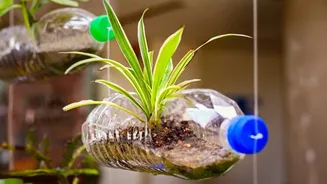
One of the easiest and most creative ways to solve the tipping problem is to craft your own base. A simple ring of jute twine or rope, coiled and glued into a flat, donut shape, can create a perfect nest for the planter to sit in. For a more rustic look, you can gather three or four smooth, similarly-sized stones and arrange them in a small circle to cradle the shell. Another popular DIY method involves creating a macrame hanger. By knotting rope or twine into a net-like structure, you can suspend the planter, completely removing the issue of surface instability. This also turns your planter into a hanging decorative piece, which is ideal for trailing plants like string of pearls.
Solution 2: Find the Right Commercial Stand
If you're not the DIY type, there are many commercial products designed to hold round-bottomed pots. Look for small wooden or metal pedestal stands, often marketed for displaying spheres, small bowls, or other decorative objects. These stands lift the planter off the surface and provide a wide, stable footprint. Small, tripod-style stands are also an excellent choice. Some retailers sell small wooden rings or squares specifically designed as bases for planters. When shopping, search for terms like "plant pot stand," "sphere stand," or even "kokedama stand," as these will often yield products perfectly suited for your coconut shell.
Solution 3: Prepare Your Shell for Stability
Before you even plant anything, you can take steps to make the shell itself more stable. Using a handsaw or a strong serrated knife, you can carefully saw off a small portion of the bottom to create a flat base. Be sure to do this on a stable surface and wear protective gloves. Once you have a flat bottom, the shell should be able to stand on its own. Regardless of whether you create a flat bottom or use a stand, it's crucial to drill a few small drainage holes in the base before planting. This prevents water from pooling at the bottom, which can lead to root rot and ultimately kill your plant.