



Walk into a thoughtfully designed urban Indian home today, and you might notice a shift. The once-ubiquitous, mass-produced decor is making way for something with more soul: handcrafted items that tell a story of heritage and sustainability.
A Search for Authenticity and Identity
In an age
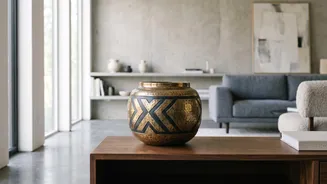
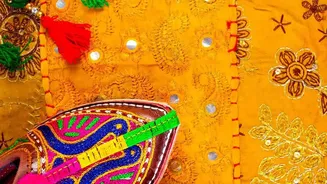
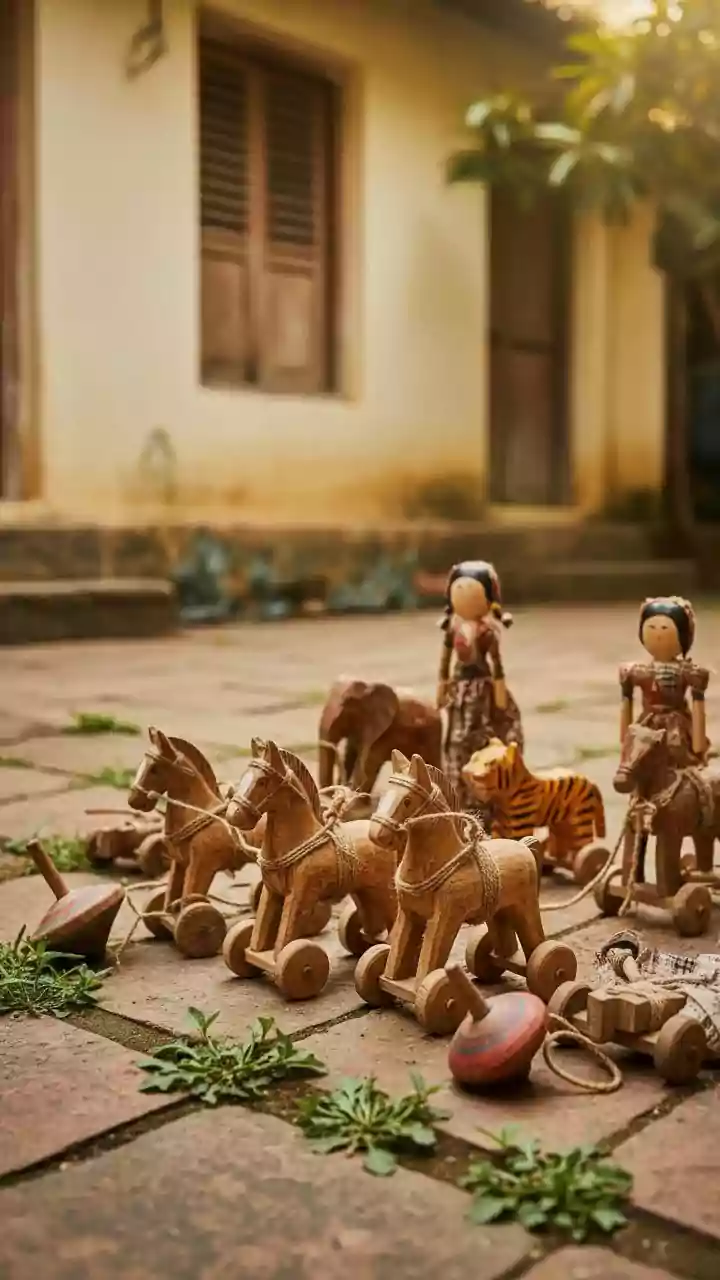
of globalised trends and cookie-cutter interiors, there is a growing desire for homes that feel personal and rooted. Homeowners are increasingly moving away from factory-made perfection and seeking out objects with character and a human touch. A hand-carved wooden panel, a block-printed cushion cover, or a piece of tribal art introduces a narrative into a room that mass-produced items cannot replicate. This trend is about creating a distinct cultural identity within modern architecture. By incorporating crafts like Warli painting, Pattachitra, or Chettinad woodwork, a space becomes a reflection of personal taste and a celebration of India's rich artistic legacy.
The Powerful Pull of Sustainability
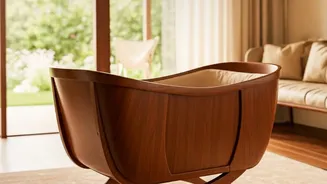
The conversation around sustainability has moved beyond activism and into our daily choices. Consumers are more aware of their environmental impact, and this extends to how they furnish their homes. Heritage crafts are inherently sustainable; they were born in an era before industrialisation. Artisans typically use locally sourced, natural, and biodegradable materials like bamboo, jute, clay, terracotta, and reclaimed wood. Processes like hand-weaving, natural dyeing, and hand-carving have a minimal carbon footprint compared to factory production. Choosing a handcrafted terracotta vase or a cane chair is not just an aesthetic decision but an eco-conscious one.
Supporting Artisans and Preserving Skills
The handicraft sector is a vital part of India's rural economy, providing livelihoods for millions of artisans, many of whom are women. When you buy a handcrafted item, you are participating in an ecosystem that supports families and keeps generational skills alive. Historically, patronage for these crafts dwindled, forcing many artisans to seek other trades. Today's renewed interest helps create a market that values this inherited knowledge. Digital platforms have also played a key role, connecting weavers and craftspeople from remote villages directly with urban consumers, ensuring they receive fairer compensation by cutting out intermediaries.
Modern Aesthetics Meets Timeless Technique
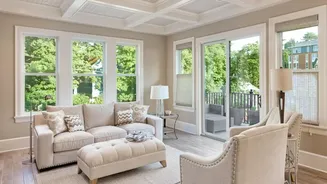
A common misconception is that traditional crafts can look dated in a contemporary setting. However, Indian designers and architects are masterfully bridging this gap. The key is not to recreate a historical look but to use crafts as accents that complement modern design. A minimalist living room can be warmed up by a handwoven rug, while a sleek kitchen might feature a set of blue pottery canisters. Artisans, too, are innovating by applying age-old techniques to contemporary products, from Dhokra metal craft being used for modern light fixtures to block prints appearing on streamlined furniture. This fusion results in a style that is both globally relevant and distinctly Indian.