






The Rise of 'Ego Lifting'
In the age of Instagram reels and TikTok fitness challenges, the pressure to lift heavy is immense. This phenomenon, often dubbed 'ego lifting,' involves attempting a weight that is too heavy, leading to compromised form and a high risk of injury. For
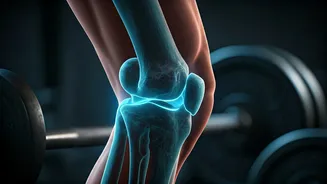
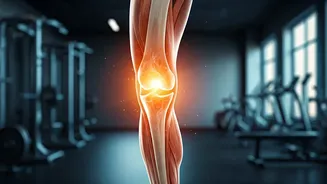
young people, whose bodies are still developing, this is particularly dangerous. Trainers are seeing a surge in clients in their late teens and early twenties coming in with nagging shoulder, back, and knee pain—issues typically associated with much older individuals. The desire for a quick transformation, fuelled by social media, often overshadows the slow, steady progress that builds real, sustainable strength. The problem isn't the barbell itself; it's the rush to load it without first building a proper foundation.
Why Young Joints Are Different
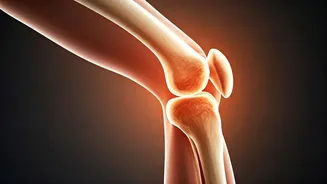
Adolescent and young adult bodies are not just smaller versions of adult bodies. Bones are still growing, and growth plates—the areas of new bone growth at the ends of long bones—are vulnerable to injury until they close in the late teens or early twenties. Excessive load or improper technique can stress these areas, potentially leading to fractures or long-term complications. Furthermore, tendons and ligaments, the connective tissues that support our joints, take longer to strengthen than muscles. While your muscles might feel ready to lift a heavier weight after a few weeks, your connective tissues may not be. This mismatch is a recipe for sprains, strains, and chronic joint instability that can plague you for decades.
Rule #1: Master Your Form
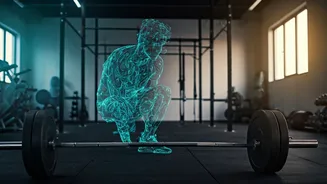
Every reputable trainer will tell you the same thing: form is king. Before you even think about adding significant weight to a barbell for squats, deadlifts, or bench presses, you must master the movement pattern with your bodyweight or a very light weight. This means learning how to engage the right muscles, maintain a neutral spine, and move through a full, controlled range of motion. Film yourself, work with a qualified coach, or ask an experienced friend to check your technique. It’s far better to squat with perfect form using just the bar than to load it with 100 kg and risk a back injury. This initial phase of learning might feel slow, but it builds the neuromuscular connections essential for safe and effective lifting down the line.
Smart Alternatives for Building Strength
Prioritizing joint health doesn't mean you can't build an impressive physique or get incredibly strong. It just means being smarter about your tool selection. Dumbbells and kettlebells are fantastic for building strength and stability, as they force each side of your body to work independently, correcting muscle imbalances. Resistance bands are excellent for activating stabiliser muscles and improving mobility. Calisthenics, or bodyweight training, is one of the most effective ways to build functional strength, control, and a strong core—all of which are crucial before progressing to heavy external loads. Incorporating these into your routine provides a well-rounded stimulus that strengthens your body as a system, not just isolated muscles.
Listen to Your Body’s Signals
One of the most important skills you can develop in fitness is learning to differentiate between the 'good' pain of muscle soreness and the 'bad' pain of joint or nerve issues. Delayed Onset Muscle Soreness (DOMS) feels like a dull, widespread ache in the muscle belly and is a normal part of the training process. Joint pain, however, is often sharp, localised, and occurs during a movement. It’s a red flag. Pushing through this kind of pain is a direct path to injury. If a joint hurts, stop. Rest, assess the movement, and if the pain persists, see a professional. Your body provides constant feedback; learning to listen to it is key to a long and healthy training career.