







Demystifying Zone 2 Training
You may have heard fitness experts and athletes talking about 'Zone 2,' but what does it actually mean? In simple terms, Zone 2 refers to a low-to-moderate intensity of aerobic exercise. It is often described as a 'conversational pace' — an effort level
where you can speak in full sentences without gasping for breath. From a technical standpoint, this zone typically corresponds to training at 60% to 70% of your maximum heart rate. Unlike high-intensity intervals that leave you breathless, the goal of Zone 2 is to maintain a steady, sustainable effort for a longer duration, often 30 minutes or more. This 'slow and steady' approach is the key to unlocking a host of powerful physiological adaptations.
The 'Magic' of a Lower Heart Rate
Working out at a lower intensity might seem counterintuitive, but the science behind Zone 2 reveals its remarkable benefits for cardiovascular health and endurance. When you train in this zone, your body becomes incredibly efficient at using fat for fuel instead of relying on more limited carbohydrate stores. This steady-state effort also stimulates the growth and efficiency of your mitochondria, the powerhouses within your cells responsible for generating energy. Over time, consistent Zone 2 training strengthens your heart muscle, allowing it to pump more blood with each beat. This increased efficiency leads to a lower resting heart rate and improved overall cardiorespiratory fitness, a key indicator of long-term health.
Why Rowing Is the Ideal Partner
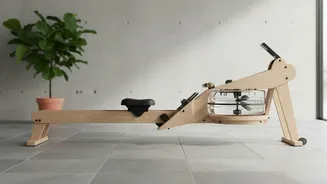
While many activities like brisk walking or cycling can be done in Zone 2, rowing is exceptionally well-suited for this type of training. First, rowing is a total-body workout, engaging over 80% of your body's muscles with every stroke, including your legs, core, back, and arms. This widespread muscle activation makes it easier to elevate and sustain your heart rate within the Zone 2 range without having to push any single muscle group to its limit. Second, and crucially, rowing is a low-impact exercise. Because you are seated, your joints are protected from the jarring forces associated with activities like running. This makes it an excellent choice for individuals of all fitness levels, including those managing joint pain or looking for a sustainable form of exercise for the long haul.
Putting Theory Into Practice
Getting started with Zone 2 rowing is straightforward. First, you need an estimate of your target heart rate. A simple method is to subtract your age from 220 to find your estimated maximum heart rate (MHR), then calculate 60% and 70% of that number to find your range. For example, a 40-year-old would have an estimated MHR of 180, and their Zone 2 would be between 108 and 126 beats per minute. The 'talk test' is an even simpler guide: if you can hold a conversation while rowing, you're likely in the right zone. Aim for two to three sessions per week, starting with 30 minutes and gradually increasing the duration as your endurance improves. The focus should be on maintaining a consistent pace and effort, not on speed or power.
Building a Resilient Aerobic Base
Zone 2 training is more than just an exercise method; it's about building a robust aerobic foundation. This base supports all other physical activities, from carrying groceries to running a marathon. By improving your body's ability to clear lactate and use oxygen efficiently, Zone 2 workouts help you recover faster and perform better during higher-intensity efforts. Regular sessions can enhance your stamina, boost your metabolism, and contribute to better overall health and longevity. By pairing this effective training protocol with the low-impact, full-body nature of rowing, you create a sustainable and powerful fitness habit.