
A Symphony of Monsoon Green
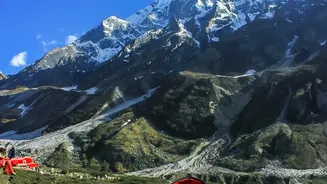
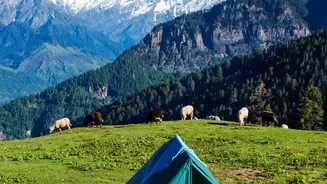
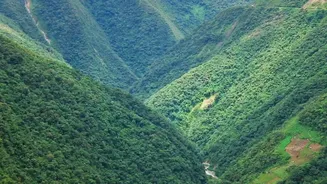
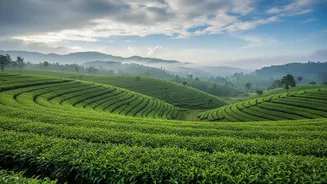
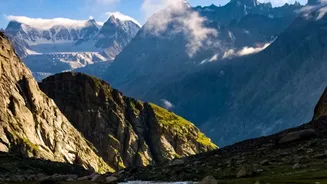
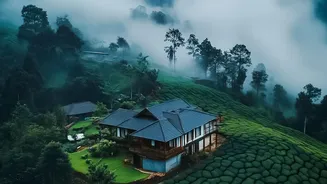
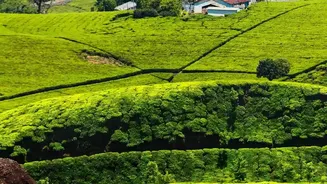
August is the heart of the monsoon in the Himalayas, a time when the mountains shed their brown and grey hues for a vibrant, emerald coat. The rains wash the dust from the air, leaving behind crisp, fresh mornings and intensely green landscapes. Waterfalls,
often trickles in other seasons, now cascade down cliffs with full force, and the alpine meadows, locally known as 'bugyals', become lush carpets of grass and wildflowers. This transformation creates a surreal, almost magical atmosphere that is unique to the monsoon season. For trekkers, this means walking through landscapes that are bursting with life, offering a sensory experience that is far removed from the dry, post-winter trails.
The Valley of Flowers in Full Bloom
The most compelling reason to trek in Uttarakhand in August is, without a doubt, the Valley of Flowers. This UNESCO World Heritage Site is one of the few high-altitude treks that is at its absolute peak during the monsoon. From July to August, the valley floor erupts in a riot of colour, with over 500 species of alpine flowers blooming simultaneously. Trekkers can walk through meadows blanketed with blue poppies, marigolds, anemones, and countless other blossoms. The Independence Day weekend falls squarely in this peak blooming window, making it an unparalleled opportunity to witness this natural spectacle. Many trekking groups specifically organize tours for this period, combining the floral paradise with a visit to the spiritual Hemkund Sahib.
Ideal Weather and Fewer Crowds
While the word 'monsoon' might sound intimidating, the weather pattern in the high-altitude valleys is often predictable and manageable. Mornings are typically clear and sunny, perfect for trekking, with clouds rolling in during the afternoon followed by rain. Daytime temperatures hover between a comfortable 15-25°C. This pattern allows trekkers to start early and cover significant ground before the rain begins. Furthermore, because many people avoid the monsoon, the trails are often less crowded than during the peak pre-monsoon season of May and June. This offers a more serene and intimate experience with nature, allowing for quiet reflection amidst the grandeur of the Himalayas.
A Patriotic Pilgrimage
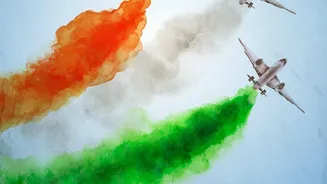
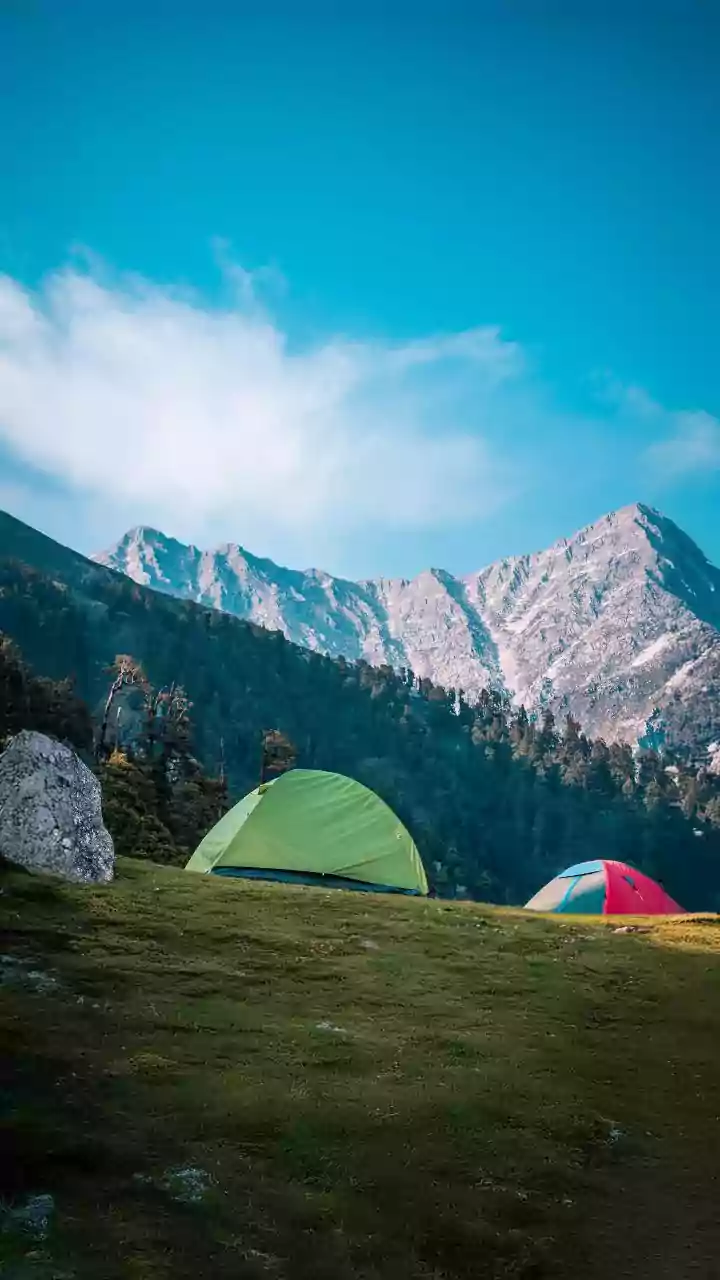
Celebrating Independence Day amidst the Himalayas adds a profound layer of meaning to the holiday. Away from the formal parades of the cities, small celebrations take place in the remote villages and at trekker campsites. It fosters a unique sense of camaraderie and national pride, shared with fellow trekkers and local communities against a backdrop of majestic peaks. Treks like the one to Tungnath, the world's highest Shiva temple, or the spiritual journey to Hemkund Sahib, the highest Gurudwara, take on a special significance during this time. The combination of physical challenge, natural beauty, and spiritual atmosphere makes for a deeply moving and memorable way to honour the nation's independence.
Safety and Preparation for Monsoon Trekking
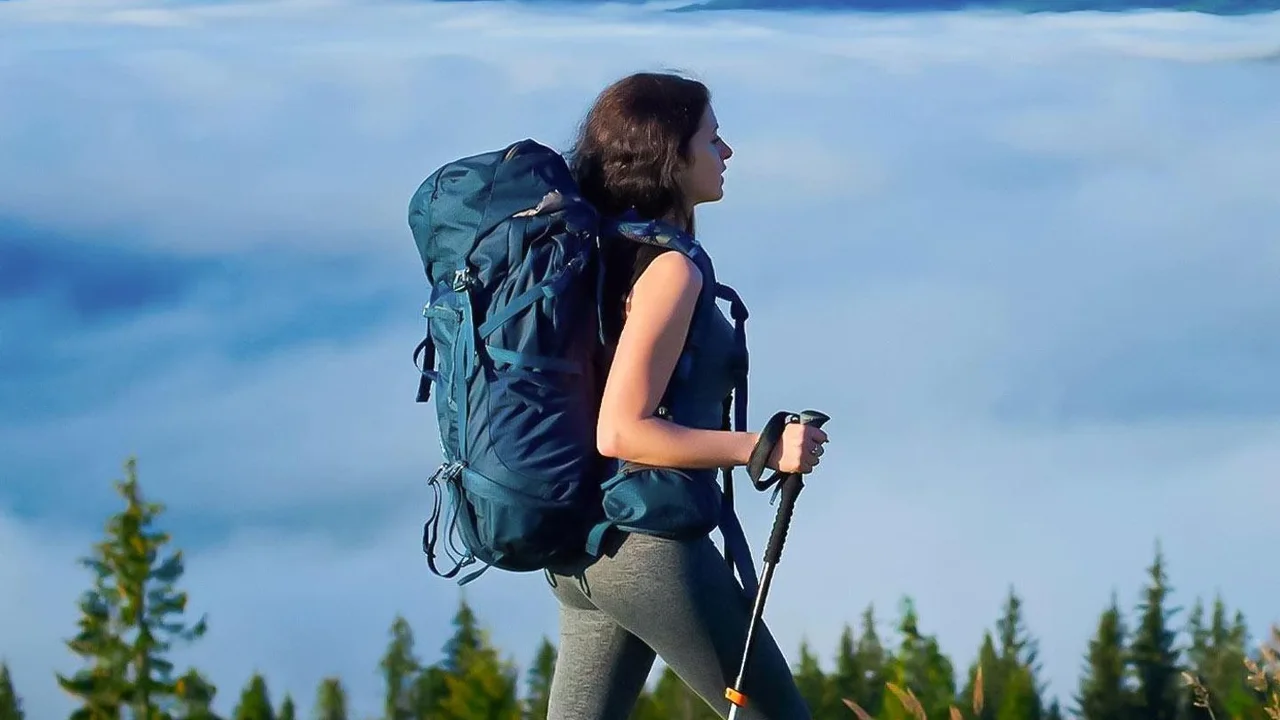
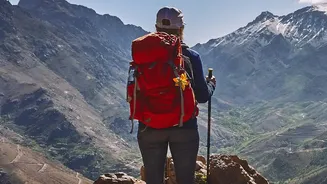
Trekking in August requires respect for the weather and proper preparation. While trails like the Valley of Flowers, Nag Tibba, and Dayara Bugyal are considered relatively safe, others should be avoided due to landslide risks. Essential gear is non-negotiable: high-quality waterproof jackets and pants, waterproof trekking shoes with excellent grip, and a rain cover for your backpack are mandatory. Trekking poles are crucial for stability on slippery paths and during stream crossings. It's also wise to pack quick-drying synthetic clothing and avoid cotton, which retains moisture and can lead to hypothermia. Always trek with a certified guide or a reputable company that monitors weather conditions and is equipped for emergencies.