






The Crushing Weight of Diesel
For a small or marginal farmer, a diesel water pump is both a lifeline and a liability. While essential for irrigation, especially in areas with unreliable grid electricity, its running costs have become a significant burden. Volatile and steadily rising
diesel prices can consume a substantial portion of a farmer's seasonal profit. A typical 5 HP pump can cost a farmer between ₹75,000 and ₹82,000 a year in fuel alone, a staggering amount for a small landholder. Beyond fuel, diesel engines require frequent and costly maintenance, from oil changes to repairs, and their breakdowns during critical irrigation periods can threaten an entire crop. This financial strain is compounded by the physical labour of transporting fuel and the environmental cost of noise and air pollution.
The Dawn of Solar Power
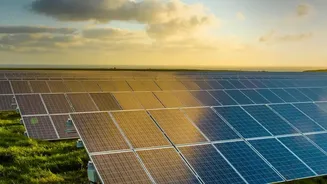
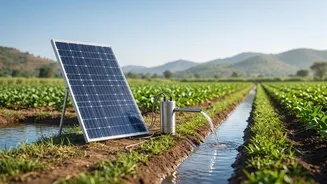
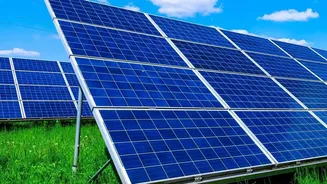
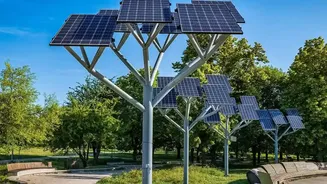
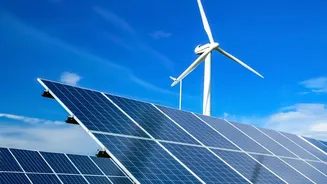
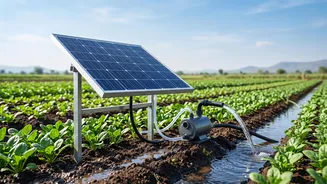
Solar water pumps offer a compelling alternative by tapping into a free and abundant resource: sunlight. These systems use photovoltaic panels to convert sunlight into electricity, which powers a motor to draw water from sources like borewells, ponds, or canals. The focus is increasingly on micro-pumps (typically 0.5 to 3 HP), which are specifically designed for the needs of smallholder farmers who cultivate smaller plots of land. Unlike diesel or grid-powered pumps that often face interruptions, solar pumps provide a reliable source of water during daytime hours, which aligns perfectly with when crops need irrigation the most. This reliability allows farmers to plan their irrigation schedules effectively, reducing crop stress and improving water management.
Making the Numbers Work
The most significant hurdle for solar adoption has always been the high initial purchase and installation cost, which can be four to six times that of a diesel pump. However, government initiatives have been a game-changer. Schemes like the central government's Pradhan Mantri Kisan Urja Suraksha evam Utthaan Mahabhiyan (PM-KUSUM) and Maharashtra's own Mukhyamantri Saur Krushi Pump Yojana are drastically reducing the financial barrier. Under these schemes, farmers can receive subsidies covering up to 90-95% of the total cost, requiring them to pay only a small fraction upfront. In some cases, a farmer's contribution for a new solar pump can be less than the cost of buying a new diesel one. With fuel costs eliminated, the payback period on this small investment can be as short as one agricultural season. Over a decade, a farmer can save between ₹8 to ₹10 lakh by making the switch.
Beyond Financial Savings
The benefits extend far beyond the balance sheet. Reliable daytime water access empowers farmers to cultivate additional crops, including higher-value vegetables and fruits, which was often impossible when dependent on erratic power supplies or expensive diesel. This ability to grow a second or even third crop significantly boosts annual income and reduces the need for seasonal distress migration to cities for work. Solar pumps are also significantly quieter, produce no harmful emissions, and eliminate the risk of soil contamination from fuel spills, contributing to a healthier farm environment. Furthermore, with fewer moving parts and no need for fuel or oil, maintenance is minimal, saving farmers both time and money.
Overcoming the Remaining Hurdles
The transition is not without its challenges. Even with subsidies, the initial upfront cost can still be a barrier for the most resource-strapped farmers. The system's effectiveness is dependent on clear, sunny weather, and output can be reduced on cloudy days. While maintenance is lower overall, finding skilled technicians in remote villages to fix sophisticated controllers or panels can be difficult if a problem does arise. Ensuring the long-term sustainability of this shift requires continued institutional support, robust after-sales service networks, and training for farmers on how to operate and maintain their new systems efficiently.