
In a world chasing the new, India's craft traditions hold a quiet wisdom. Long before 'upcycling' was a buzzword, techniques like Kantha and Godhadi turned worn-out fabrics into story-filled heirlooms, weaving memories into every stitch.
The Soul of Scraps
In many Indian
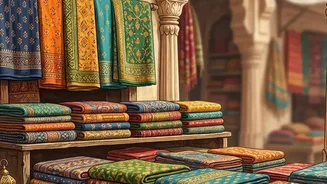
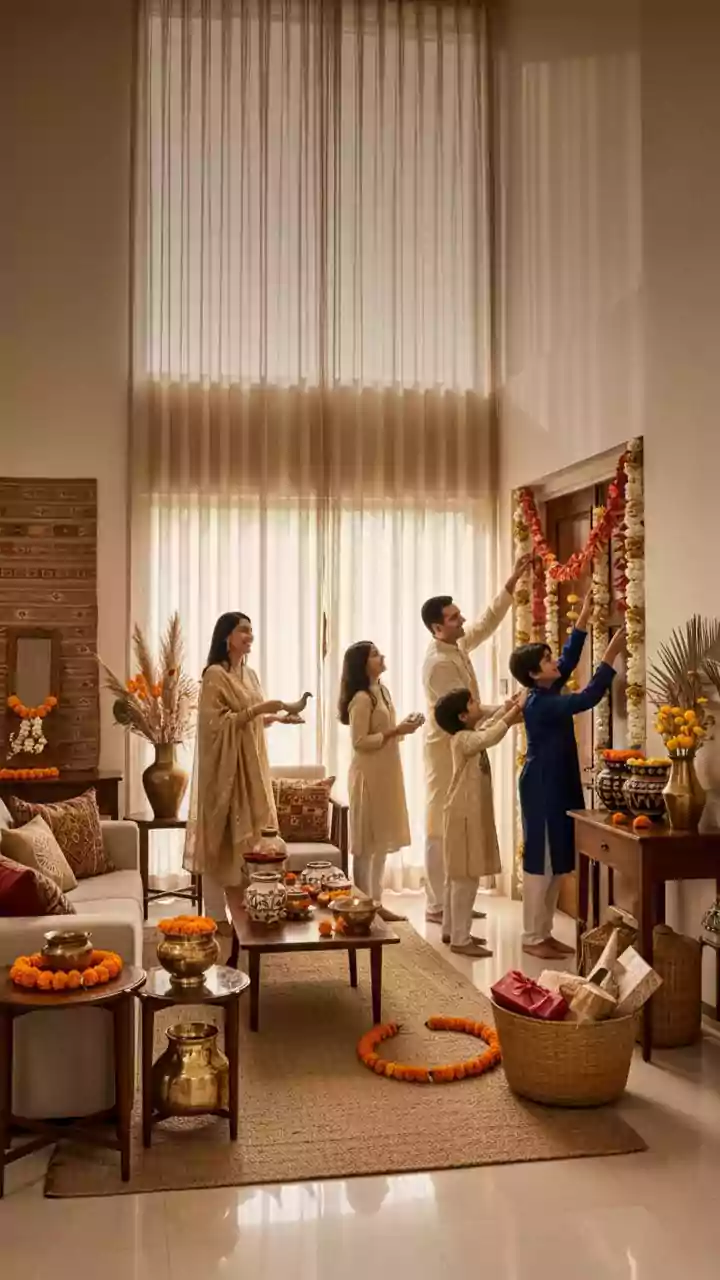
households, old clothes are rarely just discarded. They carry memories, a sense of continuity, and an emotional weight that makes them precious. The 'purana kapda' is often considered softer, more comfortable, and perfect for a newborn baby's first swaddle. This philosophy of reuse isn’t just about thrift; it's a deeply ingrained cultural practice rooted in resourcefulness and sentimentality. For centuries, women have been the custodians of this tradition, transforming stacks of old saris, dhotis, and shirts into functional items of immense beauty and emotional value. These practices represent an early form of circular design, extending the life of textiles and reducing waste long before it became a global concern. From these humble beginnings, two of India's most cherished textile arts, Kantha and Godhadi, were born.
Kantha: The Running Stitch of Bengal
Originating from the eastern regions of India, particularly West Bengal and Bangladesh, Kantha is a testament to the power of a simple running stitch. The word 'Kantha' is believed to be derived from the Sanskrit word 'kontha,' meaning rags. Traditionally, women would layer several old, soft cotton saris or dhotis, often five to seven layers thick, and bind them with a simple running stitch called the 'kantha phor'. The thread itself was often pulled from the colourful borders of old saris, embodying the spirit of complete reuse. What began as a practical way to create warm quilts ('lep kantha') and covers has evolved into a sophisticated art form. In 'Nakshi Kantha', the stitches are used to draw intricate motifs inspired by nature, mythology, and scenes from daily village life, transforming a simple quilt into a narrative tapestry.
Godhadi: The Cosy Quilt of the West
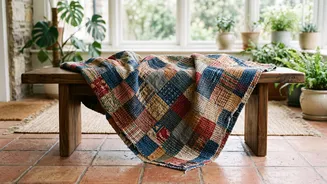
Travel west to Maharashtra, Gujarat, and parts of Rajasthan, and you'll find another beloved quilting tradition: the Godhadi. Also known as 'gudri', a Godhadi is a hand-stitched quilt made by layering and stitching together pieces of used clothing. Like Kantha, it is a craft born of necessity and affection, traditionally made by women in the household. The process is a social affair, with women often gathering during quiet summer afternoons to work on their quilts, sharing stories as they stitch. Unlike the often intricate pictorials of Nakshi Kantha, Godhadis are primarily functional and cherished for their comfort and the memories embedded in the fabrics. Each patch might come from a father's old shirt or a mother's favourite sari, creating a blanket that is literally woven with family history.
More Than Just a Quilt
Both Kantha and Godhadi are far more than just blankets; they are cultural artifacts. They represent a mother's love, a family's history, and a woman's creativity. The act of making them is a labour of love, often taking months to complete. These quilts are passed down through generations, becoming treasured heirlooms that carry the warmth and blessings of the elders. The use of old, soft cloth is intentional, believed to provide comfort and protection, especially for newborns. This practice connects generations, as a child is wrapped in fabrics that once belonged to their grandparents, creating a tangible link to their heritage. The slight imperfections in the hand-stitching are not flaws but marks of authenticity, a reminder of the human hands that patiently created them.
A Timeless Tradition in a Modern World
In an era of fast fashion and mass production, the philosophies behind Kantha and Godhadi feel more relevant than ever. They are the original 'slow fashion', championing sustainability, mindful consumption, and the value of handcrafted goods. Today, these traditions are experiencing a revival. Contemporary designers are collaborating with rural artisans, adapting these age-old techniques for modern fashion and home decor. You can now find Kantha stitching on everything from jackets and scarves to designer cushions and bedspreads, bringing this beautiful craft to a global audience. This not only helps preserve the craft but also provides sustainable livelihoods for the artisan communities that are the keepers of this invaluable heritage.