




The Balcony Gardener’s Dilemma
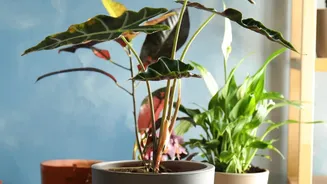
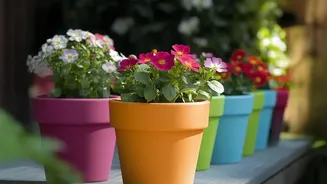
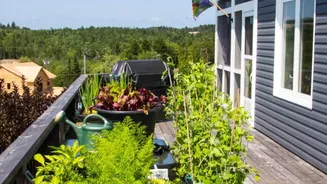
Balcony gardening in India presents a unique set of challenges. Pots dry out faster than garden beds, sunlight can be intense and direct, and the difference between a happy plant and a sad, wilted one often comes down to one thing: water. The age-old
'finger test' is unreliable; the topsoil might feel dry while the roots are drowning, or vice versa. This constant guessing game leads to the two most common killers of potted plants: overwatering, which causes root rot, and underwatering, which leads to stress and death. For busy professionals and beginners alike, maintaining that perfect moisture balance can feel like a full-time job, turning a relaxing hobby into a source of anxiety.
A Smart Solution Takes Root
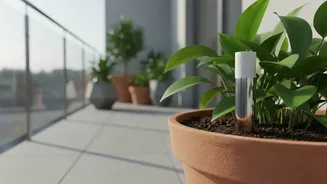
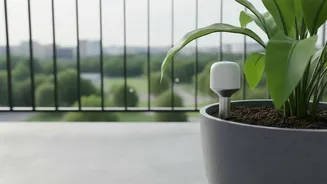
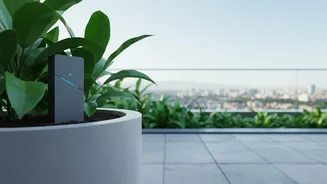
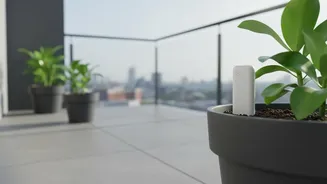
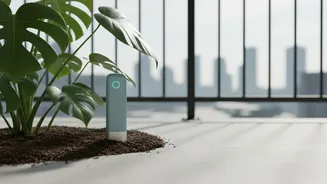
Enter the Internet of Things (IoT) soil moisture sensor. These small, relatively inexpensive gadgets are changing the game for home gardeners. In simple terms, an IoT soil sensor is a small probe you stick into the soil of your potted plant. This probe is connected to a wireless module that continuously measures the moisture level and sends that data directly to an app on your smartphone via Wi-Fi or Bluetooth. Instead of guessing, you get real-time, precise data on when your plant actually needs a drink. It’s like having a tiny plant scientist on call 24/7, ensuring your green companions get exactly what they need to flourish.
How Does It Actually Work?
You don't need to be a tech expert to understand how these sensors work. Most modern sensors for home use are 'capacitive'. They work by measuring the soil's ability to store an electric charge, which is directly related to its water content. Think of it this way: dry soil and wet soil behave differently electrically. The sensor creates a small electric field and measures the changes in capacitance to determine the volumetric water content. This reading is then translated into a simple percentage or a 'wet/dry' status in the app. Unlike older 'resistive' sensors, which use exposed metal probes that can corrode over time, capacitive sensors are more durable and provide more accurate readings for longer.
The Benefits Beyond Just Watering
The primary benefit is obvious: you prevent overwatering and underwatering, leading to healthier plants. But the advantages go deeper. By providing precise watering, you conserve water—a precious resource. You also promote stronger root development and reduce the risk of fungal diseases associated with overly damp soil. Many smart sensors also monitor other crucial factors like ambient light intensity, temperature, and even soil nutrient levels, giving you a complete picture of your plant's environment. For those who travel, these sensors offer incredible peace of mind. You can monitor your plants from anywhere and, if connected to a smart irrigation system, even water them remotely.
Choosing the Right Sensor for Your Home
As the technology becomes more popular, the market is filling with options. When choosing a sensor, consider a few key factors. First, check the connectivity: Bluetooth sensors are great for close-range monitoring, while Wi-Fi-enabled sensors allow you to check in from anywhere via the internet. Look at the companion app's interface—is it user-friendly and does it provide clear, actionable advice? Battery life is another important consideration; many can last a year or more on a single battery. Some advanced systems offer a single hub that can connect to multiple sensors across different pots, which is ideal for gardeners with a growing collection. Finally, consider compatibility with other smart home systems like Google Assistant or Alexa for voice-controlled updates and reminders.