



Decoding the Forecast for Your Garden
Before you start hauling pots, take a moment to understand what the weather report is truly saying. Look beyond a simple rain icon. Check for key details: expected low temperatures, extreme heat warnings, wind speed and direction, and the predicted amount
of rainfall. A light frost warning is very different from a hard freeze. Likewise, a breezy day is not the same as a forecast for high-velocity winds that can snap stems and topple containers. This detailed information allows you to perform a kind of triage, focusing your efforts where they are most needed rather than trying to save every single plant from every possible threat. Understanding the specific risk helps you decide whether you need to move plants, simply cover them, or just give them a good watering.
Priority 1: Frost and Cold Snaps
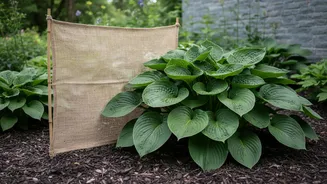
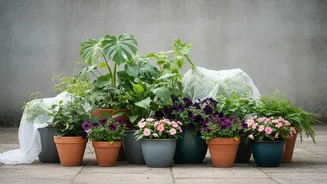
When temperatures are set to plummet, your first priority should be your most tender plants. These are the ones least equipped to handle the cold. At the top of the 'move immediately' list are tropical and subtropical plants like hibiscus, bougainvillea, and many indoor plants that were moved outside for the summer. They have no natural defence against frost. Next are young seedlings and newly planted additions, as their root systems are not yet established enough to withstand cold shock. Vegetables like tomatoes, peppers, and beans are also highly sensitive and will be the first to suffer damage. The best action is to move these plants indoors to a garage, shed, or a sheltered patio. If they cannot be moved, cover them with bedsheets, burlap, or a frost blanket before nightfall, ensuring the cover doesn’t touch the leaves by using stakes if necessary.
Priority 2: Searing Heat and Sun Scorch
A heatwave presents a different kind of danger. The primary goal here is to prevent dehydration and leaf scorch. Your priority should be plants in dark-coloured pots, which absorb more heat, and those with high water needs, such as ferns, hydrangeas, and leafy greens. Newly planted specimens are also highly vulnerable as they haven't had time to develop deep roots. While you may not need to bring them fully indoors, moving them to a location that receives only morning sun or is in dappled shade for the entire day can be a lifesaver. An umbrella or a temporary shade cloth can also provide critical protection. Avoid pruning or fertilising during a heatwave, as this encourages new, tender growth that is particularly susceptible to heat damage. Ensure all vulnerable plants are well-watered early in the morning to hydrate them before the peak heat of the day.
Priority 3: High Winds and Lashing Rain
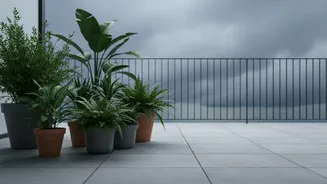
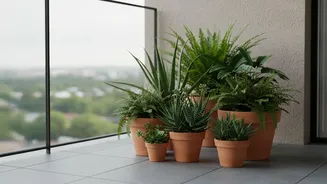
Strong winds and heavy downpours are a physical threat. Your first concern should be for tall, top-heavy plants that can easily be blown over, such as standard roses or tall decorative grasses in containers. Hanging baskets are also extremely vulnerable and should be taken down and placed on the ground in a sheltered spot. Potted plants, which can be knocked over or have their soil completely washed out, should be grouped together against a sturdy wall or fence to provide mutual support. If possible, move smaller, more fragile pots indoors or under a protective covering. For larger shrubs or newly planted trees that can't be moved, you can provide temporary support by using sturdy stakes and garden twine. The goal is to minimise wind rock and prevent branches from snapping.
The Resilient Ones: Who Can Stay Put?
The good news is that you don't have to move everything. Many established, hardy plants are perfectly capable of weathering most storms without your intervention. Well-established native plants, adapted to the local climate, are generally tough. Cool-season vegetables like kale, spinach, and carrots can often tolerate a light frost; in fact, their flavour can even improve. Hardy perennials and shrubs that have been in your garden for more than a season usually have deep, strong root systems that can handle wind and rain. Assessing who doesn't need to be moved is just as important as identifying who does. This allows you to conserve your energy for the plants that are genuinely at risk, making your response to bad weather more efficient and less stressful.