

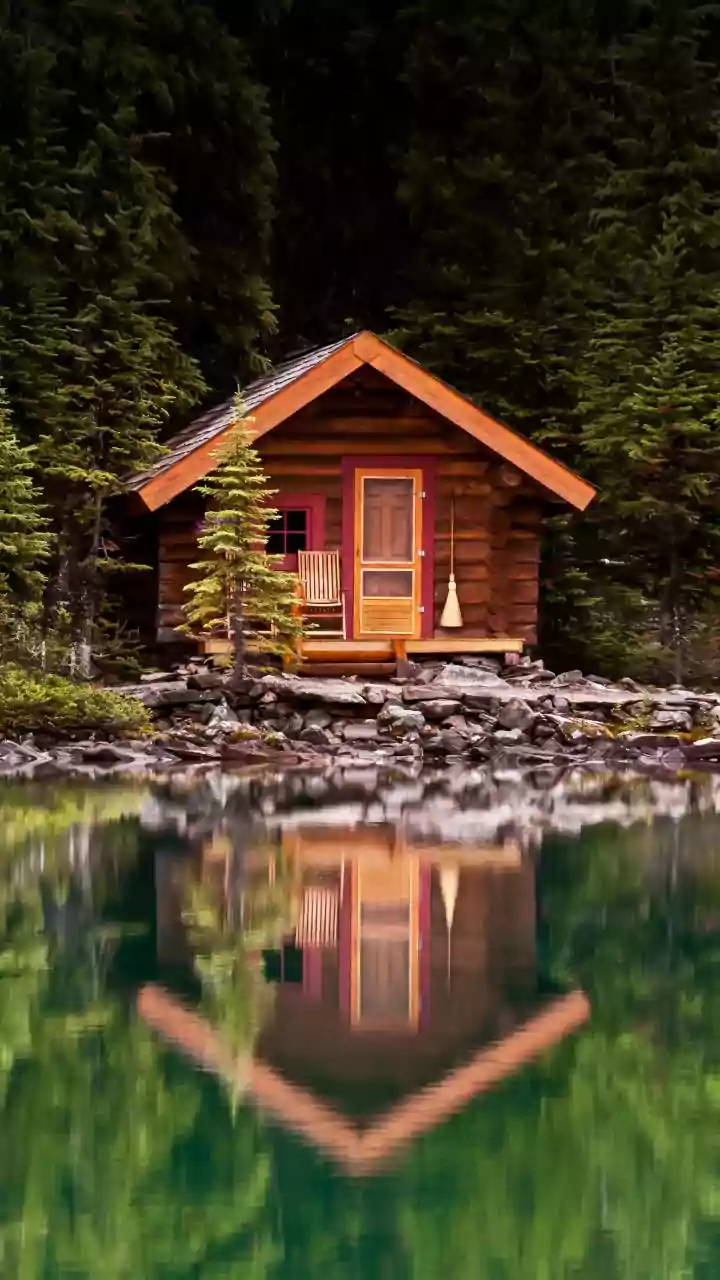



The Rise of the 'Nothingcation'
Forget frantic sightseeing and jam-packed schedules. For a growing number of Gen Z travellers, the new ultimate luxury is a trip where the main activity is… nothing. Termed 'nothingcations' or 'slow weekends', this approach involves deliberately planning
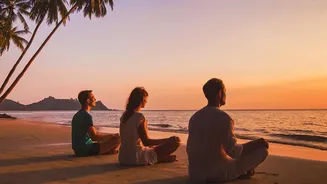
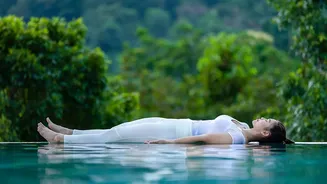
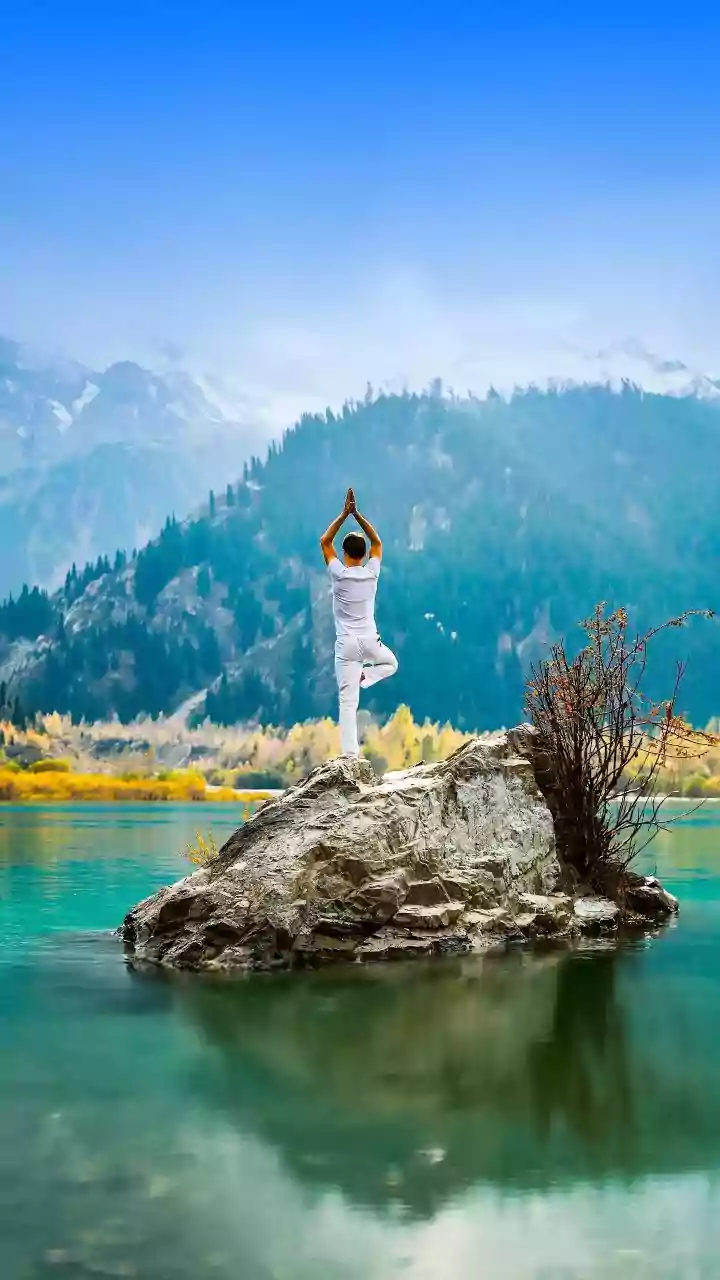
for un-planned time. It’s a conscious rejection of the pressure to have a 'productive' break. Instead of collecting passport stamps or chasing Instagrammable moments, the goal is to disconnect, decompress, and recharge. This might mean booking a cosy local staycation and spending the entire weekend reading, a quiet trip to a nearby natural spot without a strict hiking agenda, or simply enjoying the freedom of having no plans at all. The destination becomes secondary to the feeling of rest it provides.
A Reaction to Digital Burnout
This trend isn’t happening in a vacuum. It’s a direct response to the pressures of modern life, particularly the constant connectivity and performance culture that defines Gen Z's world. Faced with high rates of burnout, this generation is actively seeking ways to protect their mental health, and travel is a key tool. Studies show an overwhelming majority, around 93%, of Gen Z believe travel positively impacts their mental wellbeing. They are more likely than previous generations to plan trips specifically for wellness benefits like stress recovery. The 'always-on' nature of digital life has made true downtime a rare commodity, so these weekend escapes serve as a necessary mental reset, a form of maintenance in a world that demands constant output.
From 'FOMO' to 'JOMO'
For years, travel was driven by FOMO—the 'Fear Of Missing Out'. Social media feeds were filled with images of far-flung, bucket-list destinations, creating a sense of urgency to see and do it all. Millennials, in particular, were known for party tourism and experience-heavy trips. Gen Z, however, is championing JOMO—the 'Joy Of Missing Out'. They are moving away from crowded tourist hotspots, with many actively avoiding them to escape the crowds and the pressure to perform for social media. This generation is less interested in where everyone else is going and more focused on how a trip makes them feel. It’s a shift from travel as a status symbol of places visited to travel as a personal act of self-care and restoration.
What a Wellbeing Weekend Looks Like
So, what happens on a 'do-nothing' weekend? It’s about simple, restorative activities. Think long, slow breakfasts, reading a book without interruption, spending time in nature without a specific goal, or simply staying in your rental and enjoying the peace—a concept some have dubbed 'room rotting'. These trips are often short, spontaneous, and local. They don't require months of planning or a huge budget, making them more accessible. The emphasis is on disconnecting from devices and reconnecting with oneself. In India, this aligns with a growing interest in wellness tourism, with destinations known for yoga and meditation like Rishikesh and Kerala, as well as simple getaways to the mountains or beaches, becoming popular choices for these mental health-focused breaks.