







The New Wave of Conscious Exploration
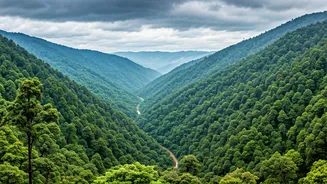
For years, the unparalleled beauty of the Northeast—its misty mountains, lush valleys, and vibrant cultures—has been a powerful draw. Now, a growing movement led by community-based organisations and eco-clubs is redefining how this beauty is experienced.
Instead of simply guiding tourists, these groups are actively curating and managing trekking routes. Their goal is twofold: to create sustainable livelihoods for local populations and to protect the fragile ecosystems they call home. By choosing these trails, trekkers aren't just visitors; they become participants in a story of conservation and community empowerment. This approach ensures that the trails remain pristine and the economic benefits flow directly back to the guardians of the land.
Meghalaya: The Living Root Bridge Trails
In the heart of the Khasi Hills, the village of Nongriat offers a trek that feels like stepping into a fantasy novel. Here, local communities have for centuries guided the roots of Ficus elastica trees across rivers, creating breathtaking living bridges. Treks organised by local guides take you down thousands of steps to the 'Double Decker' root bridge and beyond to the stunning Rainbow Falls. The journey is managed entirely by the village, with homestays offering a warm, immersive experience. These eco-clubs ensure that tourism doesn’t overwhelm their way of life. They regulate visitor numbers, manage waste, and use the income to fund community projects, making this a model for sustainable tourism.
Sikkim: Barsey Rhododendron Sanctuary
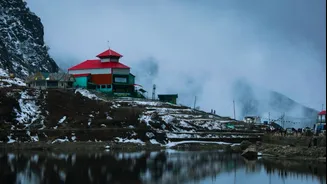
Often called the 'Valley of Flowers' of Sikkim, the Barsey Rhododendron Sanctuary is a paradise, especially from March to May when the forests burst into a riot of red, pink, and white blooms. The trek from Hilley to Barsey is a relatively gentle one, making it accessible to families and beginners. What makes this route special is the involvement of local cooperatives from villages like Okhrey and Hilley. They operate the trailside lodges and act as knowledgeable guides, sharing insights into the region's unique flora and fauna. By trekking here, you support an economy built around the preservation of one of the world's most spectacular floral habitats.
Nagaland: The Celestial Dzukou Valley
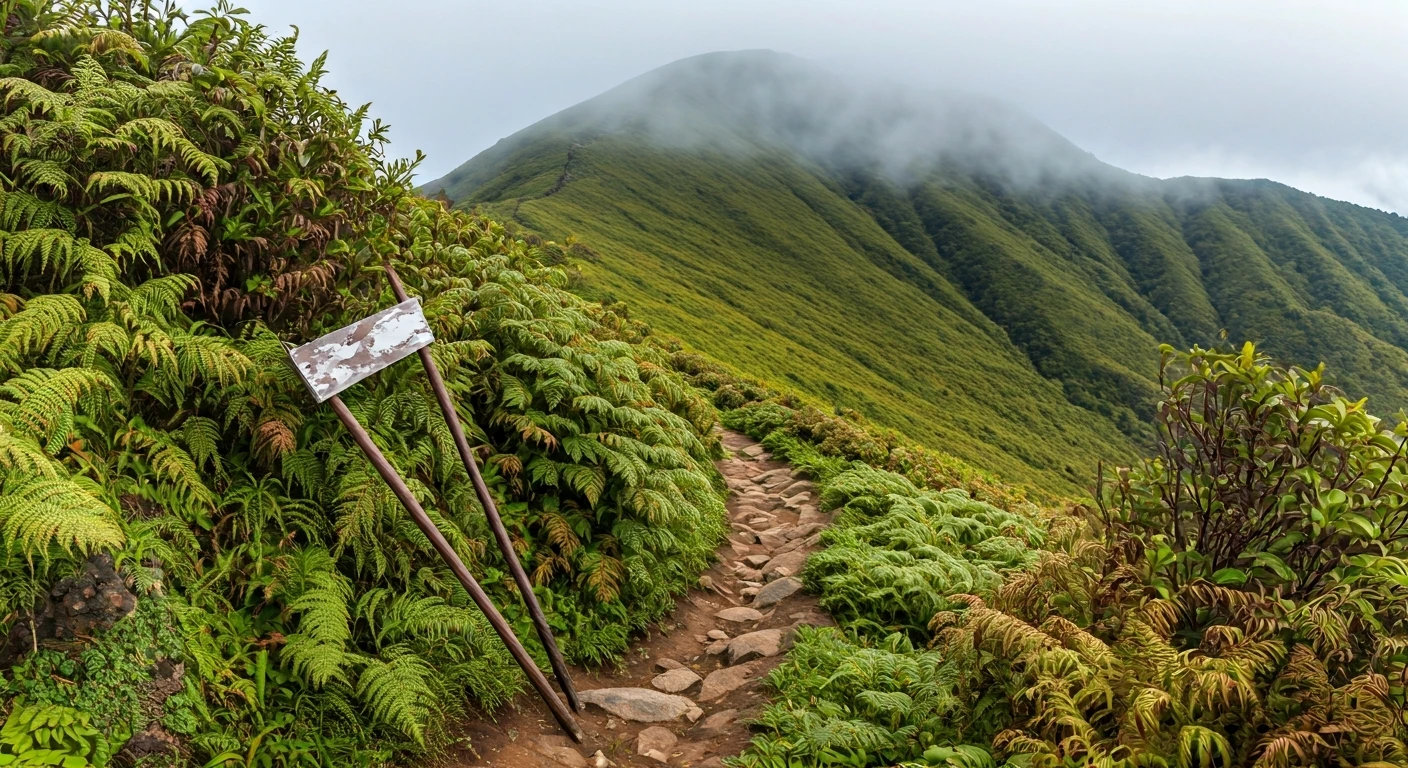
Straddling the border of Nagaland and Manipur, the Dzukou Valley is an enchanting landscape of rolling hills carpeted in bamboo and wildflowers, including the rare Dzukou Lily. The Southern Angami Youth Organization (SAYO) plays a crucial role in the valley's conservation. They manage the primary trekking routes, maintain the guesthouses, and are fiercely protective of the valley’s pristine nature. Trekkers are strictly instructed on a 'leave no trace' policy, with volunteers often organising cleanliness drives. A trek to Dzukou is more than just a physical challenge; it’s a lesson in community-led conservation and respect for ancestral lands.
Arunachal Pradesh: The Bailey Trail
For the more seasoned trekker, the historic Bailey Trail in Arunachal Pradesh offers a journey through remote landscapes and rich history. The trail follows the path of British officers Lt. Col. F.M. Bailey and Capt. H.T. Morshead during their 1913 survey of the region. Starting from the ancient Tawang Monastery, the route crosses high mountain passes and Monpa villages. Local tour operators, working hand-in-hand with Monpa guides whose families have lived along this route for generations, are the only way to experience this trek. They are the custodians of the trail's stories and its ecology, ensuring that trekkers pass through with minimal impact, respecting both the sacred sites and the delicate alpine environment.