




A High-Stakes Walk Among the Stars
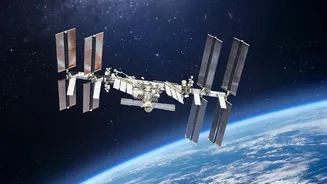
On Tuesday, August 25th, NASA astronaut Anil Menon and European Space Agency (ESA) astronaut Sophie Adenot stepped out of the International Space Station (ISS) for a planned six-and-a-half-hour spacewalk. The mission, the 283rd in the station's history,
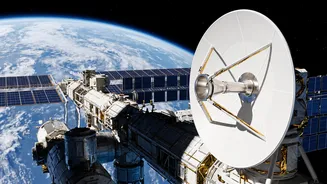
was to install a replacement Ku-band antenna, a crucial piece of communication hardware. This was the second attempt by the pair to complete the job; an earlier spacewalk on August 18th saw them successfully remove the failed unit, but they ran out of time to install the new one due to stubborn bolts and electrical connections. This time, everything went to plan. Menon, on his third career spacewalk, was secured to the Canadarm2 robotic arm, while Adenot, on her second spacewalk, traversed the station's exterior. Together, they retrieved the spare antenna, maneuvered it into position, and successfully bolted and connected it to the station's Z1 truss segment. The entire operation, a delicate dance in the vacuum of space, concluded after six hours and 30 minutes.
Upgrading the Station's Lifeline
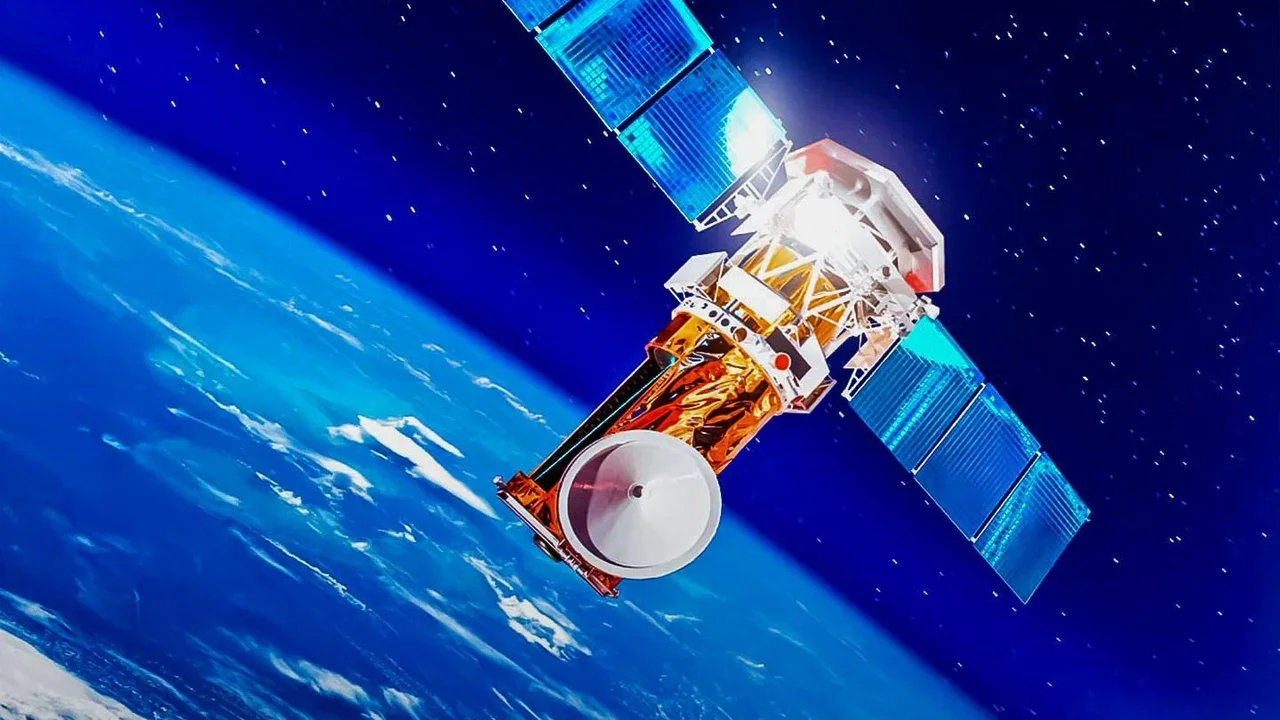
The newly installed hardware is officially called a Space-to-Ground Antenna (SGANT). Think of it as the station's primary connection to the internet and its direct line to Mission Control in Houston. This Ku-band system is responsible for transmitting massive amounts of data, including high-definition video and the results from the hundreds of science experiments running on the ISS at any given time. The failure of the previous antenna didn't cut off communication, but it severely limited the station's capabilities, removing a critical layer of redundancy. Restoring this link was a top priority. The successful installation and activation of the new antenna are akin to upgrading a home from a temperamental Wi-Fi router to a dedicated, high-speed fibre optic line. Initial checks from the ground confirmed the new antenna had good power and was transmitting data, a huge relief for everyone involved.
Why 'Critical' is No Exaggeration
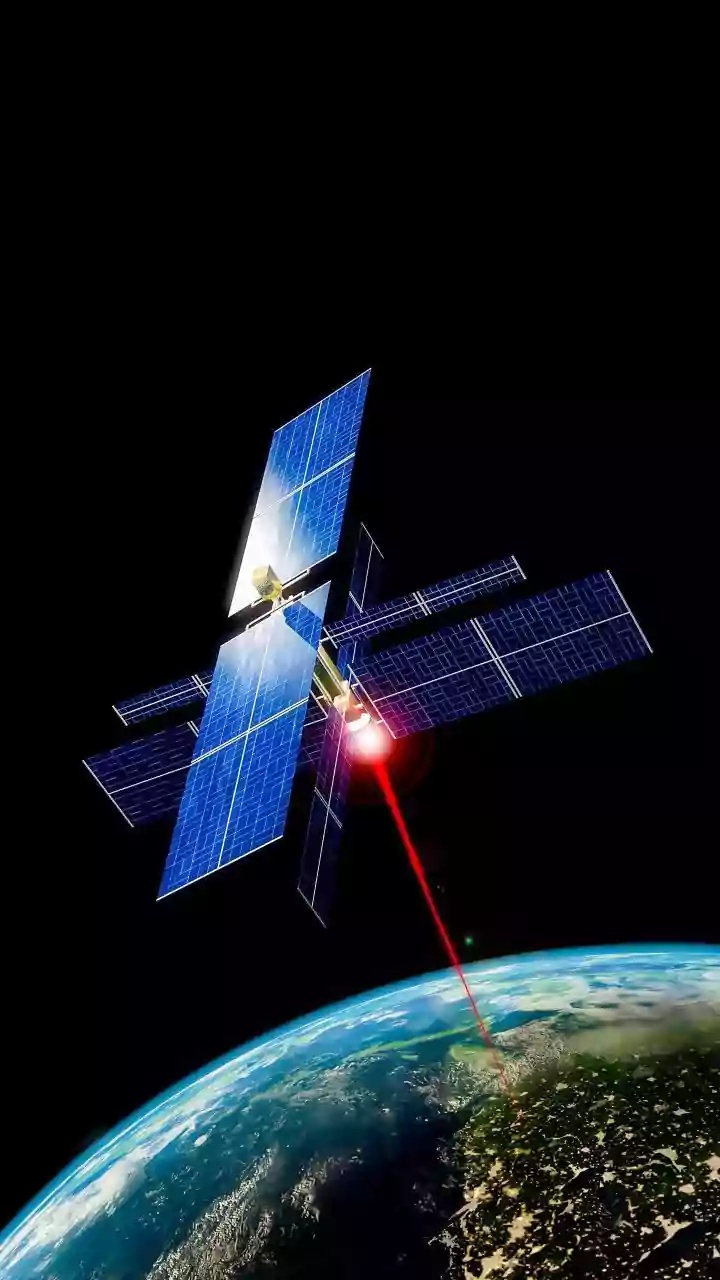
Calling this antenna 'critical' isn't an overstatement. The high-speed data it provides is the lifeblood of the station's scientific mission. It allows researchers on Earth to receive real-time information from their experiments in microgravity, accelerating the pace of discovery in fields from medicine to materials science. Without this robust connection, the very purpose of the space station as a unique research laboratory is compromised. Beyond the science, this reliable link is also essential for station maintenance, software upgrades, and the well-being of the crew. It enables private video conferences with family, psychological support, and medical consultations, all of which are vital for astronauts on long-duration missions far from home. The antenna ensures that while the crew is physically isolated, they remain deeply connected to the support networks on the ground.
A Milestone for a New Era
This successful spacewalk was not just about repair and replacement; it was about preparing the ISS for the future. The work of Menon and Adenot—who became the first French woman to perform a spacewalk during her August 18th outing—highlights the continued importance of international collaboration in space. As NASA and its partners plan for more ambitious missions, including the Artemis program to the Moon and eventual journeys to Mars, the ISS serves as an indispensable testbed. Proving that astronauts can perform complex upgrades and repairs to critical systems in orbit is fundamental to these future plans. A robust and redundant communication system is a non-negotiable requirement for deep space exploration. This 283rd spacewalk has reinforced that capability, ensuring the station can continue its mission as a hub of science and a stepping stone to the cosmos for years to come.