




If you’ve travelled recently, you’ve felt it: the endless delays, soaring costs, and crushing crowds. It’s a frustrating reality that has many wondering how we got here, renewing a conversation around the very phenomenon that defined post-pandemic life.
What Was 'Revenge Tourism'?
The term 'revenge tourism' became a buzzword around 2021 as the world began to emerge from lockdowns. It described a powerful, collective urge to make up for lost time by booking trips that the pandemic had postponed. It was a defiant, positive act—a way of 'taking revenge' on the virus and the confinement it imposed. This wasn't just about returning to travel; it was about upgrading it. Buoyed by savings accumulated during periods of restricted spending, many travellers opted for bigger, longer, and more luxurious 'splurge-cations'. Bucket-list destinations, premium cabin seats, and multi-stop itineraries became the norm as people sought to reclaim their freedom and create memories. The sentiment was simple: go now, because we couldn't go then.
The Inevitable Hangover
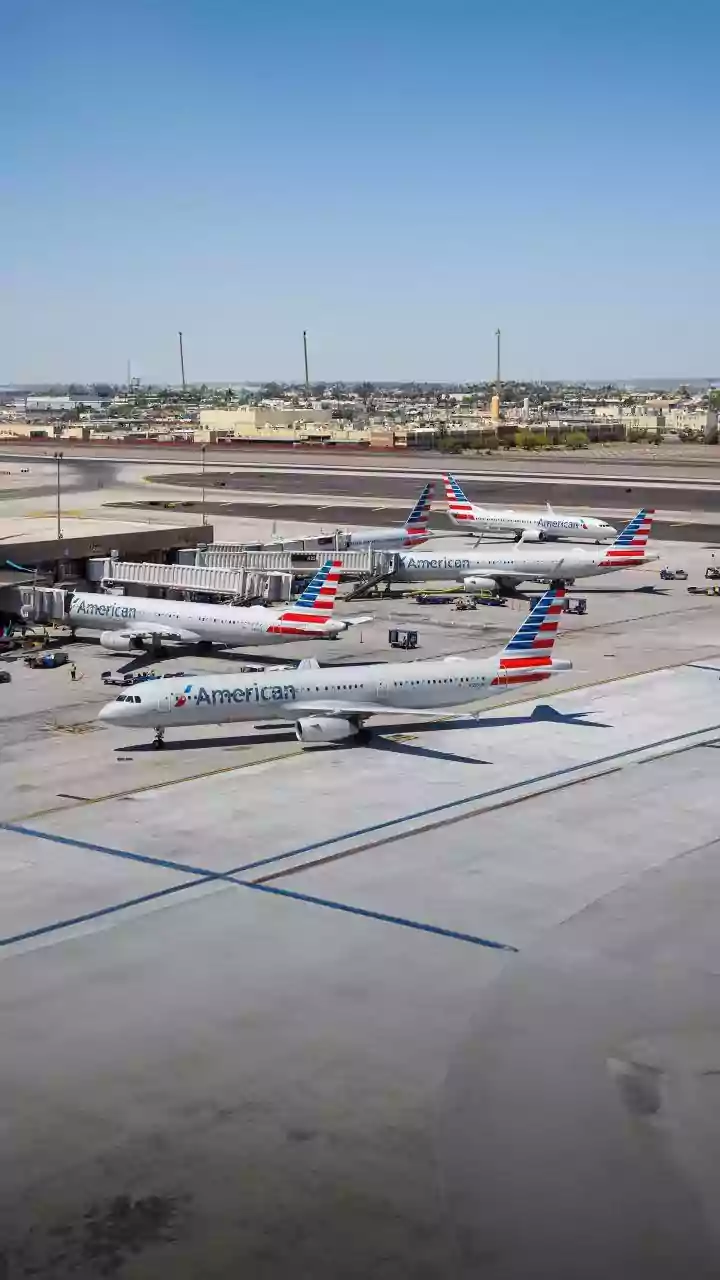
The explosion in demand was immense. By 2024, international tourism had nearly returned to its pre-pandemic peak. But the global travel infrastructure—airlines, airports, hotels, and tour operators—was not ready. The industry had been decimated by shutdowns and was slow to rehire and retrain staff. The result was a system under immense strain. The summer of 2026, for example, saw nearly 30% of all passengers in the US face a delay or cancellation. This chaotic environment has been compounded by volatile fuel costs and persistent operational issues. These disruptions are not just minor inconveniences; they have led to a significant increase in traveller frustration and have begun to tarnish the very dream that 'revenge travel' promised.
From Over-Enthusiasm to Overtourism
The frantic rush to go everywhere at once has also intensified a long-standing problem: overtourism. With so many people flocking to the same popular destinations at the same time, many places have reached a breaking point. In 2025 and 2026, resident protests against housing shortages and strained resources became common in hotspots across Europe. In response, destinations are pushing back. Places like Barcelona, Amsterdam, and Bali have introduced new tourist taxes, visitor caps, and restrictions on shortterm rentals to manage the influx. This has forced a reckoning for many travellers, as the impact of their footprint becomes impossible to ignore. The desire to see the world is now colliding with the world's capacity to accommodate it.
The Shift to Intentional Travel
After several years of chaos, the fever appears to be breaking. The frantic urgency of revenge travel is giving way to a more thoughtful and deliberate approach. Industry reports suggest the peak of the post pandemic boom has passed, with booking momentum slowing in 2026. Travellers are exhausted by the logistical headaches and are starting to prioritize simplicity and balance over ticking off a checklist. This has given rise to trends like 'slow travel'—spending more time in a single destination—and seeking out less crowded 'dupe' destinations that offer similar experiences without the overwhelming crowds. The focus is shifting from the quantity of places seen to the quality of the experience. It’s no longer about travelling at any cost, but about travelling more meaningfully.