







The Grey Muzzle Revolution
For years, the formula for a successful pet adoption post seemed simple: feature a wide-eyed, clumsy puppy or a tiny, playful kitten. Younger animals are undeniably adorable and have always been the easiest to place in new homes. But a shift is happening
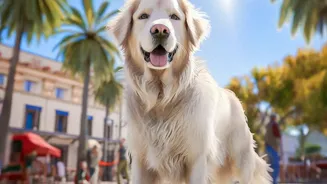
online. Animal welfare organizations and dedicated rescue accounts are discovering that stories about older animals—the ones with frosted faces, endearing quirks, and a lifetime of love to give—can generate staggering levels of engagement. These aren't just one-off viral moments; they represent a strategic pivot in animal advocacy, one that leverages the power of storytelling to challenge long-held biases against adopting senior pets. By focusing on personality and resilience, these accounts are transforming overlooked animals into internet celebrities, capturing the hearts of millions and, more importantly, driving real-world adoptions.
Storytelling, Not Just Statistics
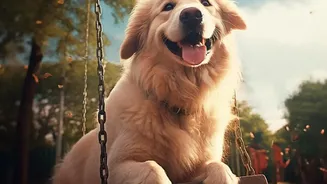
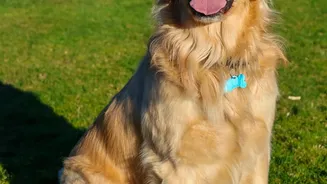
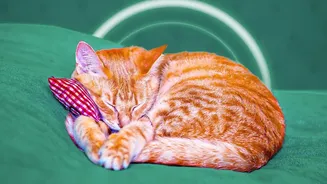
The secret to this success isn't just posting a photo with an age. It's a masterclass in narrative craft. Instead of focusing on the sad backstory or the medical needs, which can sometimes deter potential adopters, these viral hits highlight what makes each senior animal unique and wonderful. A video might showcase a 12-year-old dog's goofy 'happy dance' at mealtime, a 15-year-old cat's favourite sunny spot for naps, or the touching bond a senior animal has formed with a shelter volunteer. These posts frame older pets not as a charity case, but as a complete package: house-trained, calm, and full of character. They use compelling captions, high-quality visuals, and relatable, often humorous, language to build a connection between the animal and the audience. The message is clear: you're not just rescuing an old dog; you're adopting a distinguished soul with a rich inner life.
From Overlooked to In-Demand
This online strategy directly confronts the 'puppy bias' that has long plagued animal shelters. Senior animals are often the last to be adopted and the first to be euthanized in overcrowded facilities. Common misconceptions—that they won't bond with a new family, are riddled with expensive health problems, or are 'someone else's problem'—have made them difficult to place. Viral social media campaigns are systematically dismantling these myths. By showing senior pets thriving, playing, and forming deep bonds, these accounts provide powerful counter-evidence. They prove that an old dog can, in fact, learn new tricks and that a senior cat can become the most loving member of the family. The comment sections of these posts are often flooded with testimonials from people who have adopted senior pets, creating a positive feedback loop that encourages others to consider it.
The Real-World Impact of a 'Like'
While viral fame is fleeting, its impact on senior pet adoption is tangible. Organizations like the Grey Muzzle Organization, which provides grants to shelters for the care of older dogs, have seen a marked increase in interest and support. Shelters report that when a specific senior animal goes viral, they receive dozens, sometimes hundreds, of adoption applications from all over the country. More broadly, this trend is raising the overall visibility of senior pets. It plants a seed in the minds of prospective adopters who may have never considered an animal over the age of two. According to data from organizations like the ASPCA, while senior animals still face challenges, targeted marketing and positive storytelling have been shown to significantly increase their chances of finding a home. Every share and every 'like' contributes to a cultural shift where age is seen not as a liability, but as a badge of honor.