






An Old Problem Finds a Modern Solution
For decades, farmers across the Northeast have faced a tough reality. The region's diverse agro-climatic conditions allow for the cultivation of high-value fruits, vegetables, and spices. However, difficult terrain, limited road connectivity, and a severe
lack of post-harvest infrastructure like cold storage have meant that a significant portion of this produce perishes before it can be sold. This not only results in huge financial losses for farmers but also prevents the region's agricultural sector from reaching its full potential. The newly inaugurated Rongoge Mega Food Park in Dolikoto, Papum Pare district, is designed to tackle this very problem head-on. It represents a major step towards industrialisation and creating a bridge between the farm and the consumer.
Inside the Hub-and-Spoke Model
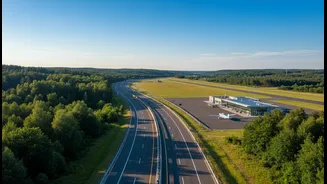
The Mega Food Park isn't just a single factory; it's a comprehensive ecosystem built on a 'hub-and-spoke' model. The main facility, or Central Processing Centre (CPC), is spread over 75 acres and equipped with state-of-the-art infrastructure. This includes cold storage, warehouses, quality control laboratories, and logistics support. The 'spokes' are Primary Processing Centres (PPCs) and Collection Centres (CCs) located in various production areas, which will feed raw produce into the central hub. This integrated approach ensures that produce is collected, sorted, and stored correctly right from the farm level, drastically reducing wastage and preserving quality throughout the supply chain. The park is designed to host around 35 food processing industries, attracting private investment and creating a bustling industrial hub.
The Power of Value Addition
The core function of the food park is 'value addition'—transforming raw agricultural goods into processed products with a longer shelf life and higher market price. Instead of selling fresh kiwis at perishable prices, farmers and entrepreneurs can now use the park's facilities to process them into juice, jams, or dried fruit. Similarly, ginger can become powder, and oranges can be turned into concentrate. These value-added products can be sold across India and even exported, fetching much better returns. The park will provide common processing lines, packaging facilities, and even a BIS-certified laboratory for testing, making modern food processing accessible to local entrepreneurs and Farmer Producer Organisations (FPOs) who couldn't afford such infrastructure on their own.
Boosting the Regional Economy
The impact of the Mega Food Park is expected to extend far beyond agriculture. It is a cornerstone of the state's plan to build a more self-reliant economy. The project is anticipated to create substantial employment opportunities, both directly within the park and indirectly through logistics, transportation, and ancillary services. By providing ready-to-use industrial plots with guaranteed power, water, and road access, the park aims to attract major national companies. Promoters have indicated that companies like Haldiram and Varun Beverages are expected to set up units, which will further boost economic activity and skill development in the region. For local entrepreneurs, government grants are also available to help them establish their processing units within the park.
A Piece of a National Mission
The Rongoge Mega Food Park is a key project under the central government's Pradhan Mantri Kisan Sampada Yojana (PMKSY), a scheme designed to bolster India's food processing sector. The scheme's goals are to modernize infrastructure, reduce agricultural waste, increase the level of processing, and ultimately double farmers' incomes. Projects in the Northeast receive special focus with higher grants and concessions to encourage development. By creating a direct link between the farms of Arunachal Pradesh and markets across the country, this park is not just an industrial project; it's a critical component of a national strategy to transform India's agricultural landscape and empower its farmers.