



The Post-Monsoon Advantage
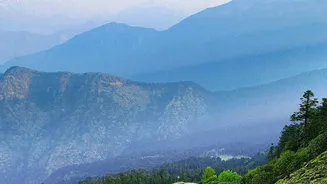
September is arguably one of the most rewarding, yet underrated, months for a hill station holiday. The monsoon’s retreat leaves the mountains exceptionally lush and scenic. Waterfalls, often dormant in summer, are at their most powerful, and rivers and lakes
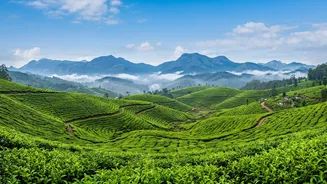
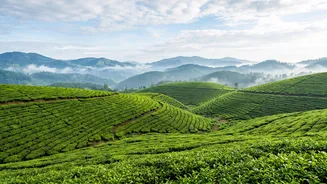
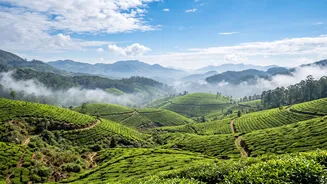
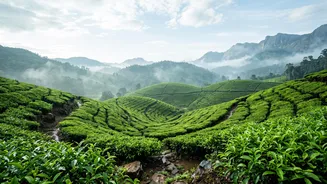
are full. This period offers a unique window where the landscape is at its greenest, but the overwhelming crowds of peak season have yet to arrive. For travellers, this often translates to lower prices on accommodation and a more peaceful, serene experience. The air, washed clean by months of rain, provides a brilliant quality of light that photographers and nature lovers specifically seek out. From the misty tea gardens of the south to the clearer Himalayan vistas up north, September offers a fresh perspective on popular destinations.
Weather: A Month of Transition
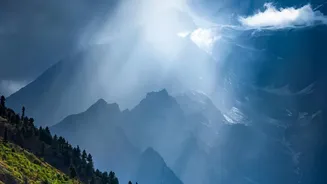
September's weather is defined by transition. While the peak of the monsoon has passed, you shouldn't expect completely dry conditions. In the Himalayas of Himachal Pradesh and Uttarakhand, the monsoon typically recedes in the second half of the month, bringing clearer skies and more stable weather. However, short and intense showers can still occur, especially in the early weeks. Mornings are often bright and fresh, followed by afternoon humidity that can build into a brief downpour before clearing again. In the Western Ghats, regions like Coorg, Munnar, and Wayanad remain misty and cool. Temperatures are pleasant, but humidity can be high. It’s crucial to remember that different regions have their own microclimates.
Where to Go: North vs. South
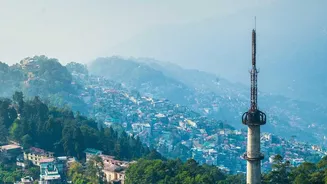
Your destination choice in September can make all the difference. In North India, high-altitude regions like Spiti Valley become fully accessible, with dry roads and clear skies perfect for stargazing. Popular spots like Shimla, Manali, and Mussoorie are exceptionally green, offering comfortable temperatures for sightseeing at attractions like the Naini Lake or Shimla's colonial sites. In the south, the post-monsoon charm is palpable. Coorg’s coffee plantations are preparing for harvest, and Abbey Falls is spectacular after the rains. Ooty, the “Queen of the Nilgiris,” and the tea valleys of Munnar are refreshed and vibrant, making them ideal for nature walks and peaceful getaways. The Western Ghats in September are particularly good for trekking, as the trails are settled but the landscape is still intensely green.
Packing for Unpredictable Weather
Packing for a September hill trip requires smart layering and waterproof gear. Since the weather can shift from sunny to rainy in a matter of hours, versatility is key. Prioritise lightweight, quick-drying synthetic fabrics over cotton, which holds moisture. A reliable waterproof jacket with a hood is non-negotiable. Good footwear with a solid grip is essential, as trails and paths can be slippery and muddy. Also, don't forget insect repellent, as mosquitoes can be prevalent after the rains. For electronics like your phone and camera, waterproof bags or covers are a wise investment to protect them from sudden downpours. Finally, a small hair dryer can be useful for drying damp clothes or shoes quickly in your hotel room.
Safety and Road Conditions
While September is beautiful, it comes with specific safety considerations. The primary risk during the post-monsoon season is landslides, which can lead to road closures, especially in mountainous regions like Himachal Pradesh and Uttarakhand. It is crucial to check the weather forecast and local road conditions before and during your trip. Authorities may restrict traffic on certain routes if conditions are deemed unsafe. Build buffer days into your itinerary to account for potential delays. Many trekking experts advise planning trips in the Himalayas for the second half of September, when conditions tend to be more stable. Always opt for hygienic, well-cooked food and avoid street food, as the risk of waterborne diseases is higher during this time.