





As the air turns crisp, the arrival of sitaphal, or custard apple, marks a special time for fruit lovers. This seasonal delight, with its creamy texture and honeyed sweetness, offers the perfect opportunity to elevate a classic Indian dessert: phirni.
A Seasonal Star: The Custard Apple
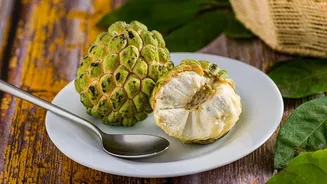
Sitaphal is a unique tropical fruit known for its soft, white, pulpy flesh dotted with large black seeds. Available primarily between August and November, its arrival is eagerly awaited. While delicious on its own, the fruit's creamy consistency and delicate flavour make it an exceptional ingredient in desserts like milkshakes, ice creams, and puddings. Its natural sweetness transforms the humble phirni—a ground rice pudding—from a simple comfort food into a luxurious, fragrant dessert that truly captures the essence of the season.
The Art of Prepping Sitaphal
The most intimidating part of cooking with sitaphal is separating the luscious pulp from its numerous seeds. But it doesn't have to be a chore. An easy method is to cut a ripe sitaphal in half, scoop out the flesh into a bowl, and gently press it with a potato masher. This action breaks the pulp away from the seeds. For a smoother pulp, you can place the scooped flesh into a food chopper and pulse it for just a second or two at a time. This loosens the pulp without breaking the hard seeds, which can then be easily picked out. Be careful not to over-process, as broken seeds can introduce a bitter taste.
Gathering Your Ingredients
For this recipe, you will need a few core components. Start with about three tablespoons of short-grain or Basmati rice, which should be washed and soaked for at least 30 minutes. You will also need approximately three to four cups of full-fat milk, as its richness is key to a creamy texture. For sweetness, about a quarter cup of sugar is a good starting point, though you can adjust this to your taste, keeping in mind the natural sweetness of the fruit. The star is one cup of fresh sitaphal pulp. Finally, for aroma and garnish, have a half teaspoon of cardamom powder and a tablespoon of slivered pistachios or almonds ready.
Creating the Perfect Phirni Base
First, drain the soaked rice and grind it into a coarse, semolina-like texture. You can do this with a bit of milk to form a paste. Next, bring the rest of the milk to a gentle boil in a heavy-bottomed pan. Once it's simmering, slowly add the rice paste while stirring continuously to prevent any lumps from forming. Cook this mixture on low heat for 15 to 20 minutes, stirring occasionally. You'll know it's ready when the rice is fully cooked and the mixture has thickened to a velvety consistency. Now, add the sugar and continue to stir for another five minutes until it completely dissolves.
The Final Flourish : Infusing the Flavour
Once the phirni base is cooked and has the consistency of a thick pudding, turn off the heat and let it cool slightly. It's important not to add the fruit pulp when the phirni is piping hot, as it can alter the texture. Once it's warm, gently fold in the fresh sitaphal pulp and the cardamom powder, mixing just until everything is well combined. This gentle mixing preserves the delicate flavour of the custard apple. The phirni will continue to thicken as it cools.
Serving and Storage Tips
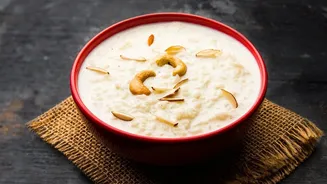
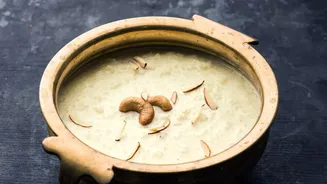
Phirni is traditionally served chilled, which enhances its flavour and texture. Pour the warm phirni into individual serving bowls. For an authentic touch, use shallow earthen bowls, known as 'shikoras', which absorb excess moisture and impart a subtle earthy aroma. Garnish with slivered pistachios and almonds before refrigerating. Let the phirni chill for at least four hours, or preferably overnight, to allow it to set completely. This dessert is best enjoyed within a day or two.