





The Allure of the Exotic Superfood
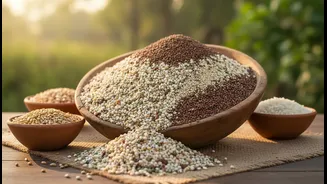
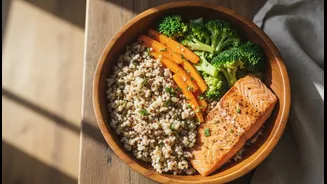
Walk through any high-end grocery store, and you will see shelves dedicated to so-called superfoods, with quinoa often taking pride of place. Marketed as a protein-rich, gluten-free wonder grain, it has become a symbol of healthy eating for many urban
Indians. Influencers showcase vibrant quinoa bowls, and cafes feature it prominently on their menus. But this focus on a single, imported grain, often sold at a premium price, overlooks a crucial fact: India has its own ancient grains that are just as, if not more, nutritious. The perception that health comes from expensive, foreign foods can be misleading. It creates a barrier to entry for many and ignores the sustainable, affordable, and culturally ingrained wisdom of our own food systems.
Why Whole Grains Are Nutritional Champions
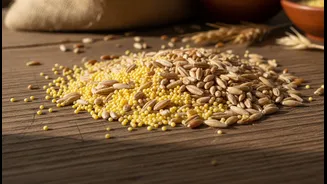
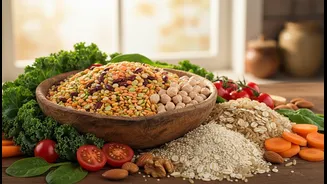
Before comparing specific grains, it's important to understand why 'whole' is the operative word. A whole grain contains all three parts of the kernel: the bran (the fibre-rich outer layer), the germ (the nutrient-packed core), and the endosperm (the starchy part). Refined grains, like white rice and maida, are stripped of the bran and germ, leaving mostly starch. This is why whole grains are nutritionally superior. Their high fibre content aids digestion, promotes a feeling of fullness, and helps control blood sugar levels by slowing down the release of glucose. They are also packed with essential B vitamins, minerals like iron and magnesium, and antioxidants that are vital for overall health.
Meet India's Grain Heroes
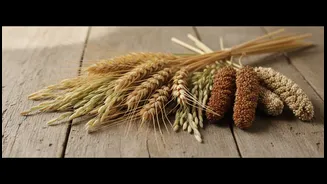
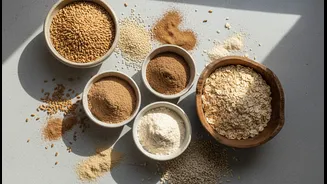
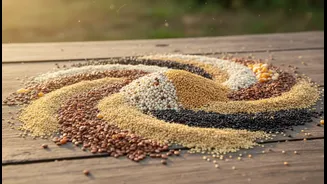
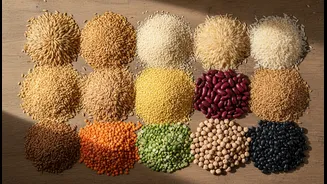
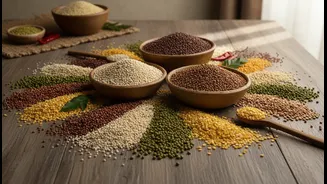
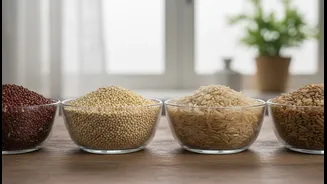
Our traditional food culture is built on a diverse foundation of millets and other whole grains that are perfectly adapted to our climate and bodies. For instance, Ragi (finger millet) is a calcium powerhouse, containing nearly seven times more calcium than quinoa, making it excellent for bone health. Bajra (pearl millet) and Barnyard millet are incredibly rich in iron, a crucial nutrient where deficiencies are common. Jowar (sorghum) is loaded with fibre and protein, helping to manage cholesterol and weight. These grains, once staples in Indian households, offer a wider and often superior nutritional profile compared to a single imported grain. While quinoa has a slight edge in protein and contains all essential amino acids, this advantage is nullified in a typical Indian meal where grains are paired with dal, creating a complete protein profile.
Simple Ways to Embrace Local Grains
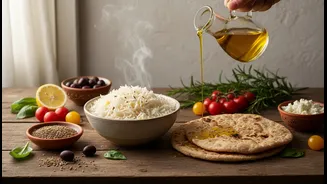
Incorporating these grains doesn't require a complete diet overhaul. The key is to start with small, sustainable swaps. You can begin by mixing millet flour, like jowar or ragi, with your regular whole wheat atta for rotis. Try replacing white rice with foxtail or little millet once or twice a week; they cook similarly and work well in dishes like pulao or khichdi. Breakfast is another easy place to start. A warm bowl of ragi porridge, a millet upma, or dosas made from a millet-based batter can provide sustained energy without the crash that comes from refined carbs. Even snacks can be made healthier using millet flour for homemade laddoos or chillas.
A Smarter, Sustainable Choice
Choosing local whole grains is not just a health decision; it's a vote for sustainability. Millets are hardy crops that require significantly less water and fewer inputs to grow compared to many other cereals, making them an environmentally friendly choice. They support Indian farmers and reduce the carbon footprint associated with shipping foods across the globe. Moreover, at a fraction of the cost of imported grains like quinoa, they make good nutrition accessible to more people. By turning back to the grains that have nourished generations, we are choosing a path that benefits our bodies, our wallets, and the planet.