


The Monsoon's Earthy Bounty
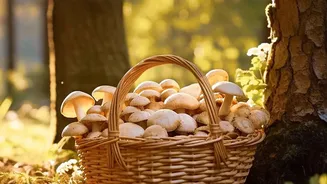
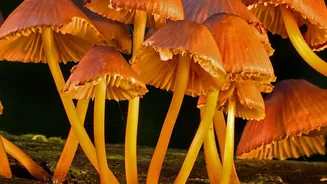
When the first rains soak the parched earth, a kind of magic happens. Across the country, from the misty slopes of the Western Ghats to the dense Sal forests of Jharkhand, the forest floor comes alive. This is the season of wild mushrooms, a fleeting,
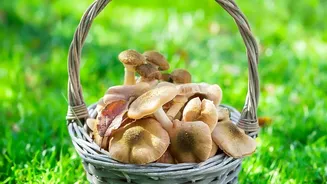
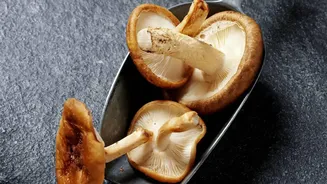
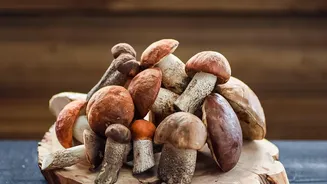
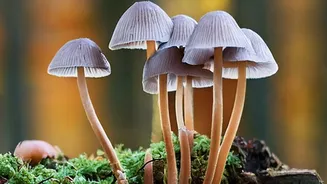
natural harvest that cannot be cultivated. For generations, tribal communities and forest dwellers have held the knowledge of which fungi are safe to eat, and which are not. They venture out at dawn to forage for these delicacies, which appear with the rains and vanish just as quickly. Among the most prized are the 'Olmi' of Goa, a species of Termitomyces that grows exclusively on termite mounds and is considered a monsoon essential. In Jharkhand and Chhattisgarh, local women search for 'Rugda', a round, white mushroom with a meaty texture that has earned it the nickname 'vegetarian mutton'.
From Forest Floor to Gourmet Plate
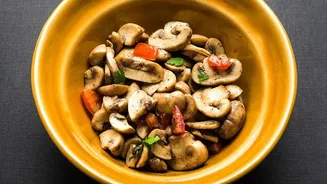
This ancient practice of foraging is finding a new and enthusiastic audience. Urban food lovers and leading chefs are increasingly turning to the forests for ingredients, championing a 'forest-to-table' movement that celebrates hyperlocal and seasonal produce. Chefs like Vanika Choudhary of Mumbai's Noon and Radhika Khandelwal of Fig & Maple in Delhi are at the forefront, creating innovative dishes that highlight these wild ingredients. They work closely with local communities and foragers to source everything from Himalayan morels ('gucchi') to greens that appear only for a few weeks a year. Wild mushrooms, with their unique, earthy flavours and varied textures, are a star attraction. They might appear in a traditional Goan 'Xacuti', a rich coconut-based curry, or a contemporary 'sabu dana risotto' at a fine-dining restaurant in the city.
A Taste of Tradition and Sustainability
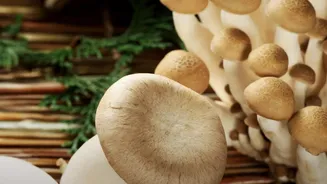
The growing interest in foraged foods is more than just a culinary trend; it's a reconnection with tradition and a move towards greater sustainability. For centuries, indigenous communities have relied on the forest for sustenance, their knowledge of local ecosystems passed down through generations. By celebrating these ingredients, chefs and food enthusiasts are helping to preserve this vital cultural heritage. Furthermore, this movement shines a light on India's incredible biodiversity. Beyond the standard button mushrooms available in supermarkets, there are hundreds of edible species, each with a unique flavour profile. However, this renewed interest also comes with a responsibility. Experts stress the need for sustainable harvesting to prevent over-exploitation, which threatens the delicate forest ecosystems.
The Thrill of the Hunt
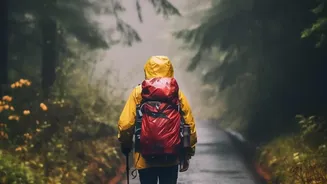
For the new wave of foraging fans, the appeal lies not just in the taste, but in the experience itself. A mushroom foraging walk is an adventure that engages all the senses. It’s about walking through damp woods, learning to spot the subtle signs of a hidden mushroom, and connecting with nature on a primal level. In places like Kasol in Himachal Pradesh and parts of Goa, guided foraging walks are becoming popular, led by mycologists and local experts who can teach newcomers how to identify edible species safely. It’s a slow, observant activity that combines a love for the outdoors with the thrill of discovering your own food, culminating in the satisfaction of cooking and eating your freshly gathered harvest.
A Word of Caution for a Wild Pursuit
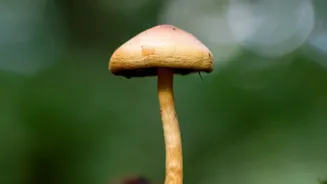
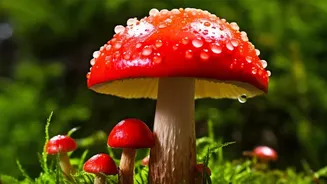
The allure of foraging is strong, but it is a pursuit that demands caution and respect. Many poisonous mushrooms bear a striking resemblance to edible varieties, and a mistake can be dangerous. The knowledge of distinguishing safe fungi from toxic ones is a skill honed over a lifetime. Aspiring foragers are strongly advised never to eat a wild mushroom unless they are with an expert who can identify it with absolute certainty. The best way to engage with this trend is to join a guided walk, learn from experienced local communities, and support the chefs and businesses that are working responsibly to bring the taste of the forest to the table.