







The End of the Energy Crash
Many common breakfast options are high in simple carbohydrates and sugar, leading to a rapid spike in blood glucose followed by a sharp crash. This rollercoaster leaves you feeling sluggish and unfocused just a few hours into your day. High-fibre foods,
however, change the game. Fibre slows down the absorption of sugar into the bloodstream. This process provides a steady, slow release of energy, keeping you on an even keel without the dramatic peaks and valleys. Think of it as a time-release fuel capsule for your body, ensuring you have the stamina to power through meetings and tasks until lunchtime.
A Sharper Mind Through a Healthier Gut
The connection between our gut and brain, known as the gut-brain axis, is a critical factor in our mental clarity and mood. Dietary fibre acts as a prebiotic, which means it feeds the beneficial bacteria in your gut. A thriving gut microbiome produces short-chain fatty acids (SCFAs), which have been shown to have a positive impact on brain function and may even reduce brain inflammation. By starting your day with fibre, you're not just promoting digestive health; you're nurturing an internal ecosystem that can directly support better concentration, memory, and cognitive performance throughout your workday.
Fibre-Rich Indian Breakfast Ideas
Incorporating more fibre doesn't mean you have to abandon your favourite Indian breakfast dishes. Many traditional options are naturally rich in fibre or can be easily adapted. Consider starting your day with vegetable-loaded upma made from steel-cut oats or dalia (broken wheat) instead of semolina. Sprouted moong dal chilla, besan chilla packed with veggies, and ragi dosa are excellent high-fibre, protein-packed choices. Even poha can get a fibre boost by using brown rice poha and adding plenty of vegetables, peanuts, and sprouts. For idli lovers, switching to batters made from millets or brown rice significantly increases fibre content.
Universal Swaps for a Fibre Boost
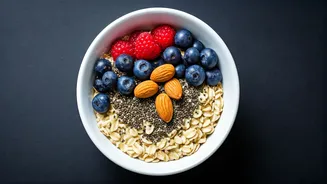
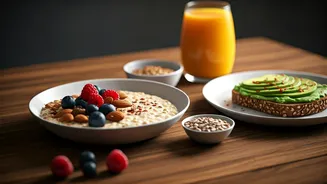
If you prefer quicker or more continental-style breakfasts, there are plenty of easy ways to increase your fibre intake. A simple bowl of oatmeal topped with berries, nuts, and seeds is a classic high-fibre start. Avocado on whole-grain toast provides a powerful combination of fibre and healthy fats. Smoothies are another fantastic vehicle for fibre; just be sure to include sources like spinach, chia seeds, flaxseeds, or fruit with the skin on. Even adding a spoonful of chia or flaxseeds to your yoghurt can make a significant difference. These small additions can help you feel fuller for longer, curbing the urge to snack on less healthy options mid-morning.
How to Make the Switch
Most adults should aim for 25 to 38 grams of fibre per day, but the average intake is often much lower. If your diet is currently low in fibre, it's best to increase your intake gradually to allow your digestive system to adjust. A sudden jump can cause temporary bloating or discomfort. Start by making one simple swap, like choosing whole-grain bread over white. Be sure to drink plenty of water throughout the day, as fibre works best when it's well-hydrated. Listening to your body and making slow, steady changes is the key to successfully making high-fibre breakfasts a sustainable and beneficial part of your routine.