



So, What Is Blurry Beauty?
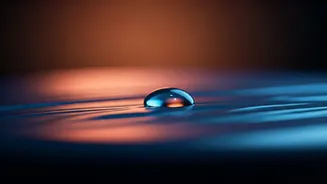
Forget crystal-clear selfies and perfectly sharp eyeliner wings. The blurry beauty aesthetic embraces imperfection through intentional soft focus, motion blur, and a hazy, almost painterly quality. Think of photos that look like they were taken on a vintage
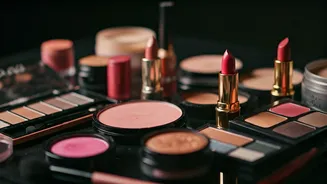
film camera, capturing a fleeting moment rather than a posed portrait. It’s not about poor photography; it’s a deliberate artistic choice. The subject might be slightly out of focus, a hand might streak across the lens, or the entire image could be washed in a dreamy, low-fi glow. This trend translates to makeup as well, with 'cloud skin' (diffused matte foundation), blurred lipstick edges, and smudgy, lived-in eye makeup replacing the precise, graphic looks that once dominated Instagram.
A Rebellion Against Peak Perfection
For the better part of a decade, social media beauty was defined by a specific, almost clinical perfection. It was the era of the 'Instagram Face'—sculpted, contoured, and flawlessly filtered to the point of unreality. Every pore was erased, every line sharpened. Blurry beauty is the antidote to this high-pressure standard. It’s a collective exhale, a move towards a more attainable and authentic form of self-expression. By embracing blur, users are rejecting the exhausting pursuit of an impossible ideal. It suggests that life isn’t always in high-definition, and that there’s beauty in the candid, the in-between moments, and the pictures that capture a feeling rather than just a face.
The Powerful Pull of Nostalgia
A huge part of this trend’s appeal lies in nostalgia, particularly for the '90s and Y2K eras. For Gen Z and younger millennials, many of whom are driving this aesthetic, the blurry look evokes a pre-social media world. It harks back to photos taken on disposable cameras, early digital point-and-shoots, or camcorders, where a bit of grain and motion blur was a given. These images feel more organic and precious because they weren't instantly editable or shareable. They capture a memory. This aesthetic taps into a longing for a simpler, less-curated time, making modern digital photos feel as warm and sentimental as a faded print in a family album. It’s a way of embedding a sense of history and emotion into our hyper-digital present.
More Art, Less Advertisement
The blurry aesthetic shifts the goal of a photo. Instead of presenting a perfect, product-ready face as if for an ad campaign, it prioritises mood and emotion. A blurry photo of someone laughing, dancing, or simply existing in a softly lit room tells a story. It’s less about 'Look at my perfect makeup' and more about 'Look at this beautiful moment.' This approach aligns with a broader cultural shift towards personal storytelling over personal branding. Influencers and everyday users alike are using the technique to create a vibe for their feeds, turning their profiles into visual diaries rather than polished portfolios. It's a way to reclaim the artistry of the selfie, making it less about vanity and more about vulnerability.
How the Look Comes to Life
Achieving the blurry look is surprisingly simple. Photographically, it can be done by physically moving the phone while taking a picture, tapping the screen to focus on the background instead of the foreground, or using apps with 'dust' and 'light leak' filters that mimic old film. Some even hold a clear object or a bit of transparent film in front of the lens to create natural distortion. In makeup, the trend is championed by techniques like 'popsicle lips' or 'blurred lips,' where colour is concentrated in the centre and diffused outwards. Similarly, eyeshadow is often applied in a soft, hazy wash of colour without sharp lines, creating a dreamy, watercolour effect that complements the photographic style perfectly.