


The Ultimate Group Project
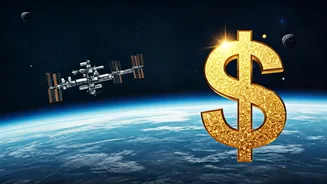
First, let's address the big number. The total cost to build and maintain the International Space Station is estimated to be around $150 billion since the project began. This figure, confirmed by multiple space agencies and audits, makes it the undisputed
champion of expensive constructions, dwarfing every skyscraper, aircraft carrier, and scientific instrument on Earth. This colossal sum wasn't footed by a single country. The ISS is a joint venture between five major space agencies: NASA (USA), Roscosmos (Russia), JAXA (Japan), ESA (Europe), and CSA (Canada). While the United States has shouldered the majority of the cost, every partner has made significant financial and technological contributions, from building critical modules and robotic arms to providing launch services. The European Space Agency (ESA) estimates the total investment comes to around €100 billion, spread across nearly three decades of development, assembly, and operations.
What Do You Get for $150 Billion?
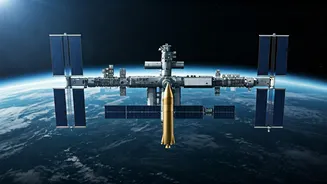
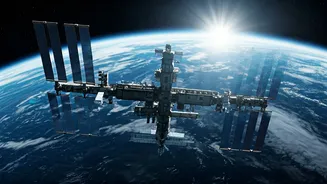
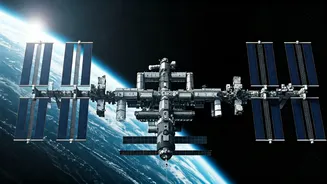
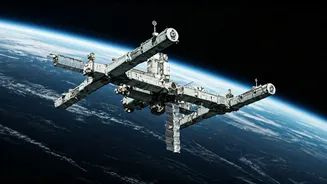
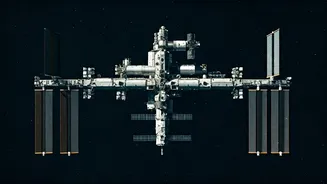
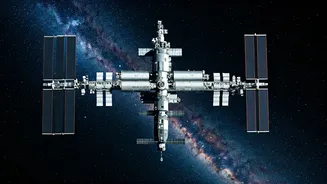
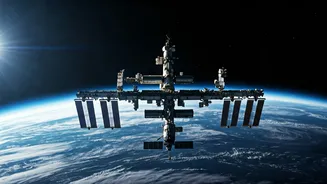
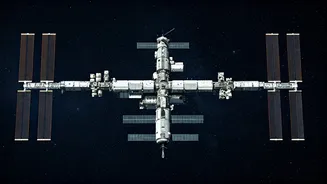
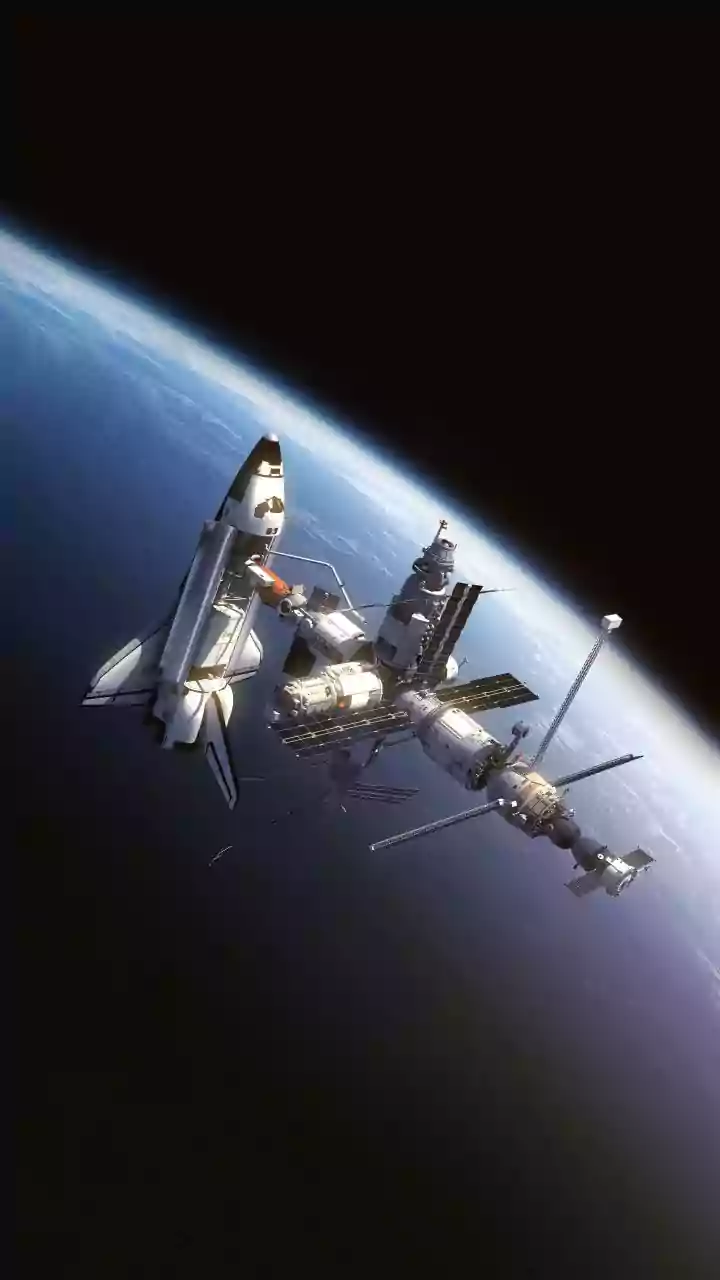
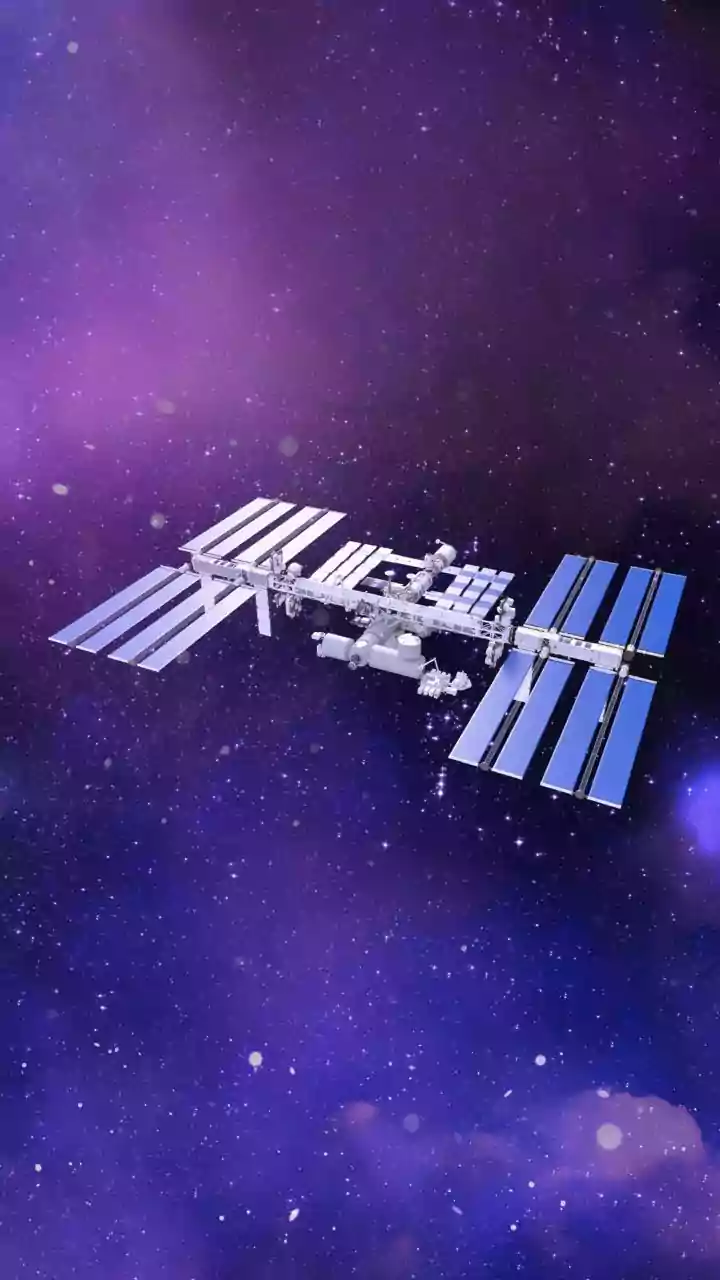
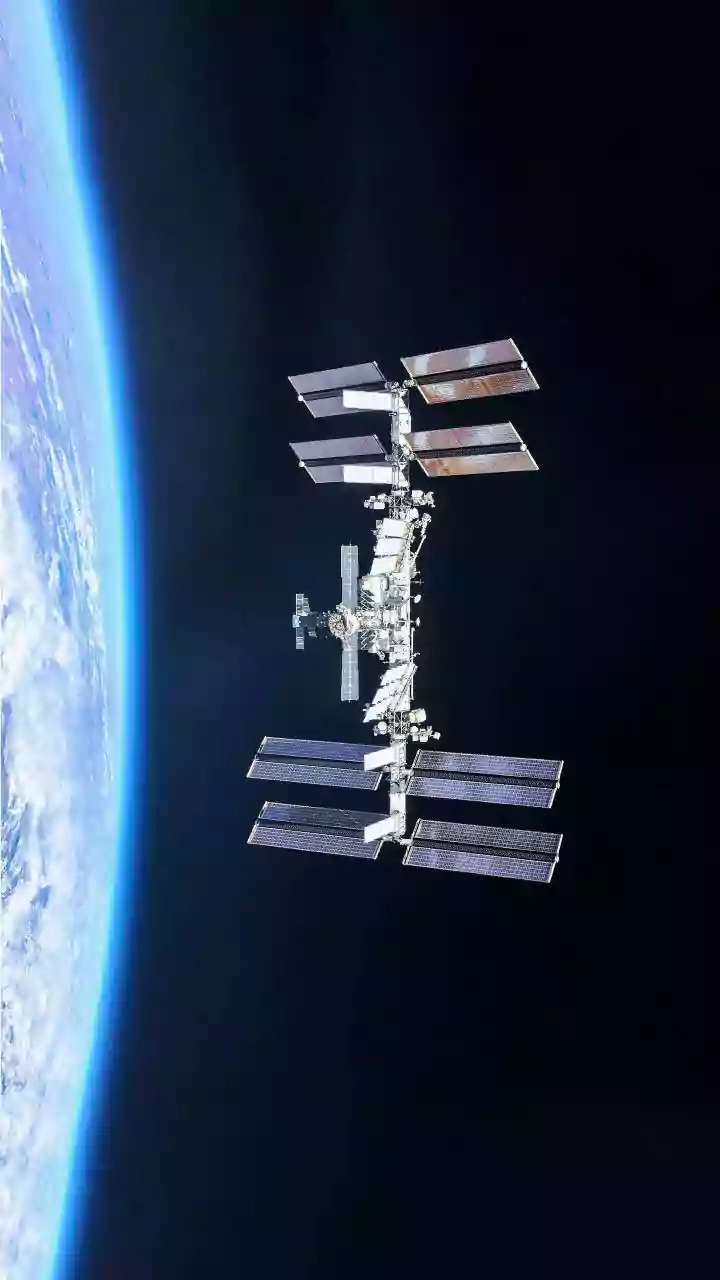
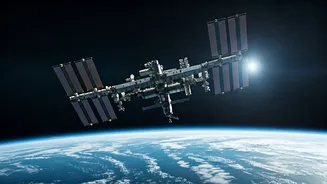
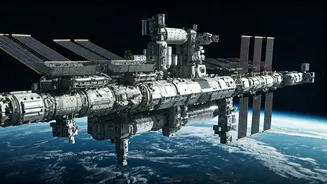
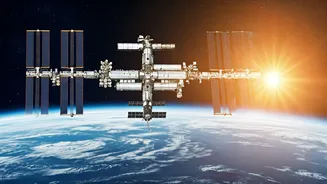
So, what exactly did that money buy? The ISS is a sprawling, habitable satellite in low-Earth orbit, roughly the size of a football field, including its massive solar arrays. It has a pressurized volume comparable to a Boeing 747 and has been continuously inhabited by a rotating international crew since November 2000. More than just a house in space, the ISS is a state-of-the-art laboratory. For over two decades, it has hosted thousands of experiments in fields like medicine, materials science, and astronomy that are impossible to conduct on Earth due to gravity. Research on the ISS has led to breakthroughs in drug development, water purification systems, and our understanding of long-term space travel's effects on the human body, which is critical for future missions to the Moon and Mars.
The Never-Ending Bill
The initial construction bill is only part of the story. Keeping the lights on, the air breathable, and the science running is an enormously expensive ongoing task. NASA alone spends between $3 billion and $4 billion every single year just to operate and maintain the station. This figure accounts for about one-third of the agency's annual human spaceflight budget. These operational costs cover everything from systems maintenance and upgrades to the constant stream of cargo resupply missions that bring food, water, and new experiments to the orbiting lab. When you break it down, the daily cost to simply run the ISS is astronomical, falling somewhere between $8 million and $11 million per day. Even the station's end of life comes with a hefty price tag; it's projected to cost nearly one billion dollars for a specialised vehicle to safely deorbit the structure in the 2030s.
The Most Expensive Stay in History
This brings us to the truly mind-boggling detail. If the station costs over $3 billion a year to run and typically houses a crew of seven astronauts, what is the cost per person? Simple maths reveals the most expensive 'hotel' bill in human history. Dividing the annual operating cost by the number of crew members and days in a year reveals a staggering figure. Each astronaut's stay aboard the ISS effectively costs well over a million dollars per day. Some analyses, which factor in different variables, have put the figure even higher, at an astonishing $7.5 million per person, per day. This cost doesn't even fully account for the tens of millions it costs to launch each astronaut to the station in the first place, with seats on spacecraft like SpaceX's Crew Dragon costing around $55 million and a ride on a Soyuz capsule costing upwards of $80 million.
A Priceless Return on Investment?
With such eye-watering costs, the question of whether the ISS is 'worth it' is a constant debate. From a purely financial standpoint, the numbers are hard to justify. However, its proponents argue that its value cannot be measured in dollars alone. The station has been a powerful symbol of international cooperation, bringing former rivals together in a shared scientific pursuit. The research conducted in its unique microgravity environment has yielded tangible benefits back on Earth, contributing to advances in medicine for diseases like Alzheimer's and cancer, and improving our ability to respond to natural disasters through Earth observation. Ultimately, the ISS serves as an indispensable stepping stone, a testbed for the technologies and human endurance required for humanity's next giant leap: long-duration missions to the Moon, Mars, and beyond.