


A Leap Beyond Landing
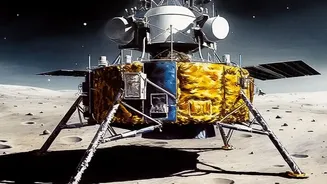
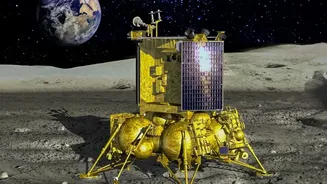
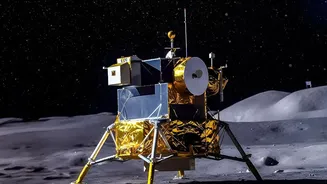
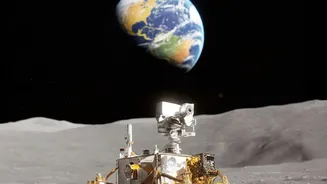
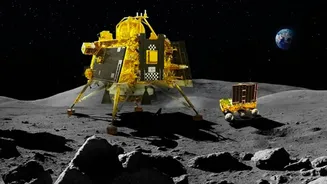
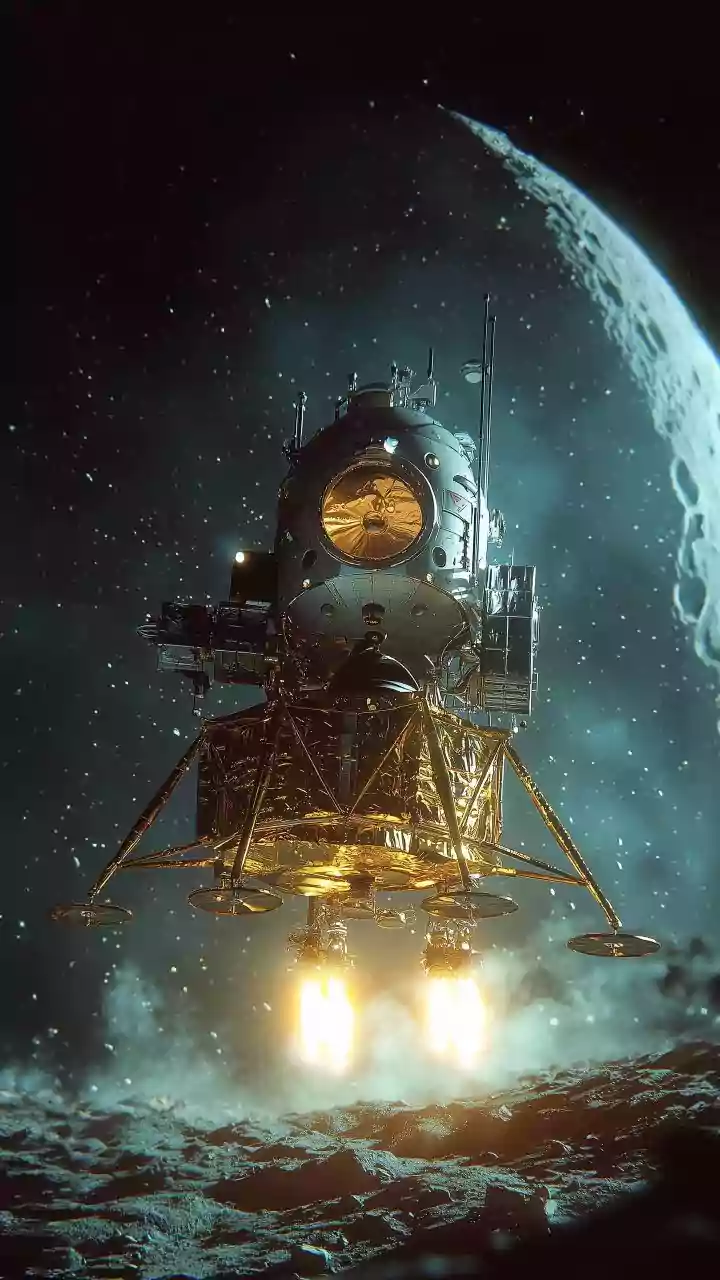
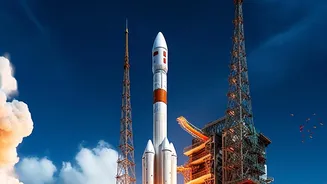
Chandrayaan-3 made India the first nation to soft-land near the lunar south pole, a monumental achievement. But exploration doesn't stop at landing. Chandrayaan-4 is the crucial next step, designed as a complex sample-return mission. This means it won't
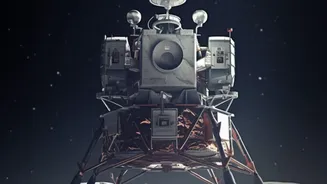
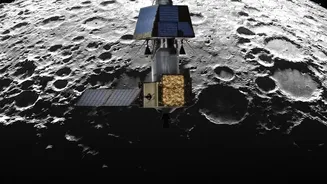
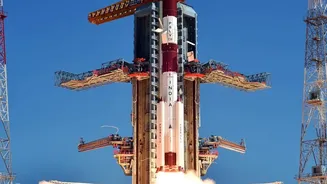
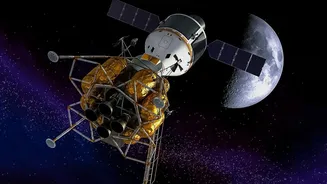
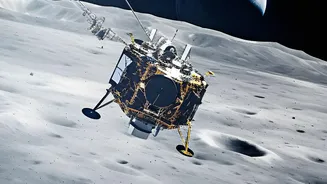
just study the Moon in-situ; it aims to land, collect soil and potentially ice, and launch back to return the material to Earth. Scheduled for around 2028, this mission involves a sophisticated dance of five different modules, including a lander, an ascender to lift off from the Moon, and a re-entry capsule. This represents a massive technological jump for India, placing it in an elite club of nations—with the US, the former Soviet Union, and China—capable of retrieving materials from another celestial body.
The Treasure in the Shadows
The mission's target, the lunar south pole, isn't just a random spot. It's home to Permanently Shadowed Regions (PSRs), craters and depressions that haven't seen sunlight in billions of years. These ultra-cold traps are believed to hold a pristine record of the early solar system. Scientists worldwide are eager to analyse samples from these regions because they could contain water ice and other volatile compounds that would have long since vaporized anywhere else on the Moon. Getting samples from these areas is like opening a time capsule. Previous samples from the Apollo, Luna, and Chang'e missions came from different lunar regions, so a south pole sample is a missing piece of the puzzle.
The Quest for Water Ice
The most anticipated component of the south pole samples is water ice. Confirming its presence, quantity, and composition is a primary goal for the global scientific community. This isn't just about finding water; it's about what that water represents. On one hand, it holds clues to the origin of water in our solar system and on Earth. On the other hand, it has huge practical implications for the future of space exploration. Water can be split into hydrogen and oxygen, providing breathable air for astronauts and, crucially, the ingredients for rocket propellant. The ability to 'live off the land' by utilizing local resources, known as In-Situ Resource Utilization (ISRU), is essential for building sustainable lunar bases and planning future missions to Mars.
A Cosmic History Book
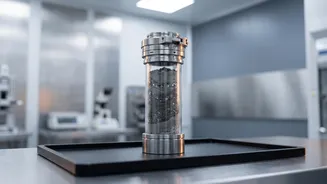
Beyond water, the lunar soil, or regolith, is itself a scientific treasure. The Moon has no atmosphere, no wind, and no rain to erode its surface. As a result, its soil contains an unbroken, billion-year-old record of the solar system's history. These samples are embedded with particles from the solar wind, traces of cosmic radiation, and remnants of micrometeorites that have bombarded the surface over eons. By studying this material in advanced labs on Earth, scientists can learn about the history of our Sun, the evolution of the solar system, and the very stuff that formed the planets. Unlike the analysis done by rovers, bringing samples to Earth allows for far more detailed study with a wider range of instruments for decades to come.
A Global Effort Led by India
While Chandrayaan-4 is an Indian mission, its findings will belong to the world. The samples returned will be a precious resource for scientists globally, fostering international collaboration and cementing India's role as a major player in space exploration. ISRO has already indicated that it will foster collaboration and knowledge sharing, with plans to establish world-class facilities for sample curation and analysis. This positions India not just as an explorer, but as a key enabler of planetary science. The mission also serves as a critical testbed for technologies needed for India's long-term goal of a crewed lunar landing, envisioned for 2040. The world is watching, not just out of curiosity, but in anticipation of the shared discoveries that will follow.