



From Grandma’s Kitchen to Your Snack Box
There’s a quiet revolution happening in our pantries. The flavours we grew up with—the taste of grandma’s cooking, the comfort of age-old family recipes, and the goodness of traditional grains—are making a grand comeback. But this time, they’re not just
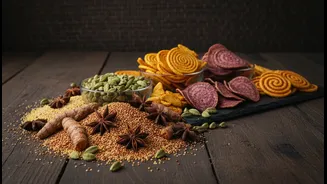
in our kitchens; they’re in convenient, grab-and-go packets. This trend, where food heritage meets modern convenience, is reshaping India’s massive snack market. Brands, both large and small, are turning to heirloom ingredients and traditional recipes, creating snacks that offer both comfort and novelty. Think ragi crisps, jowar puffs, and makhana flavoured with peri-peri—familiar tastes presented in a fun, modern format. It's a move that honours the past while perfectly catering to the fast-paced lives of today.
The Rise of the Mindful Muncher
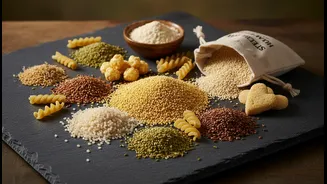
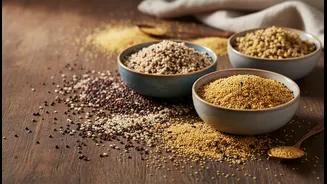
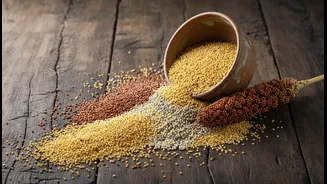
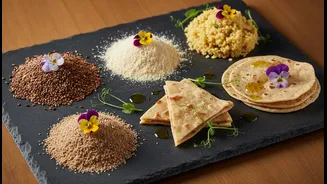
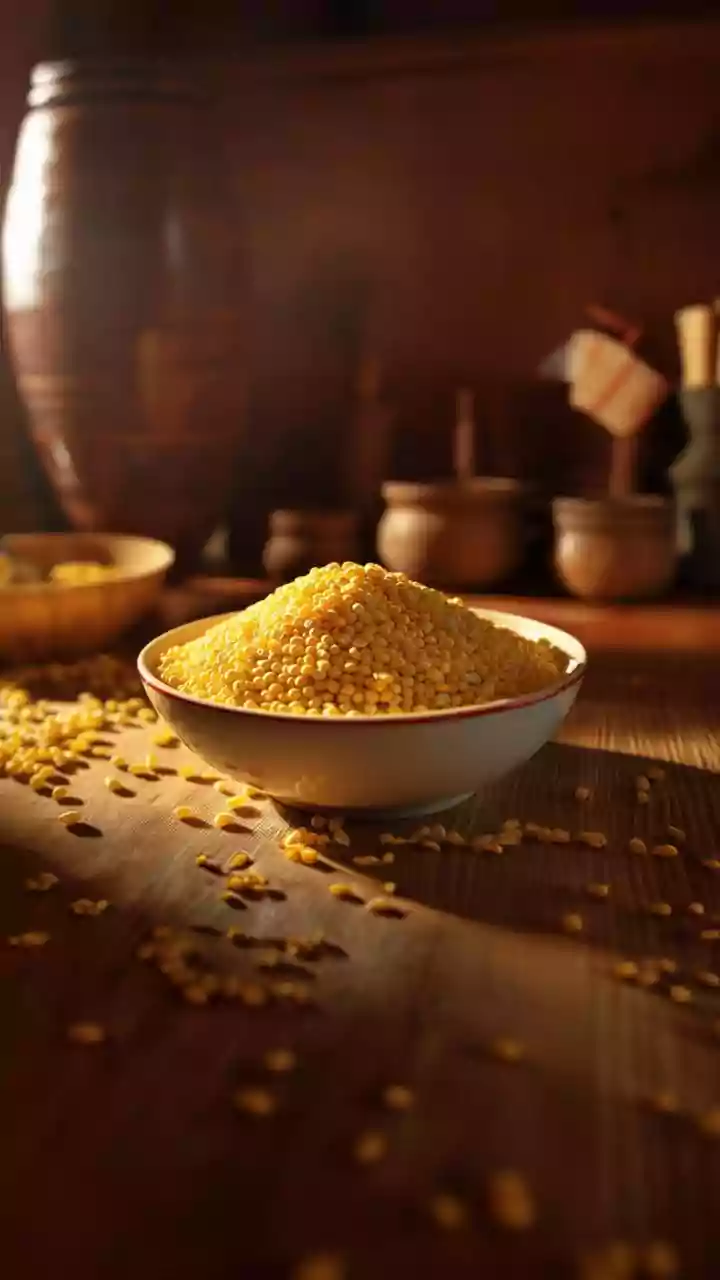
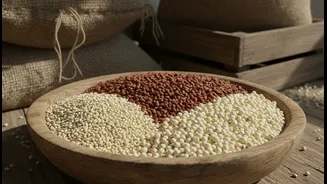
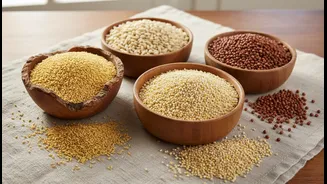
So, why is this happening now? The shift is driven by a new kind of consumer: the mindful muncher. Today's snackers are looking for more than just a quick bite; they want food with a story and nutritional value. Health consciousness is a major factor. Heritage grains like millets (jowar, bajra, ragi) are naturally gluten-free and packed with fibre and protein, making them a healthier alternative to refined flour. Government initiatives like the 'International Year of Millets' have also boosted awareness, encouraging consumers to adopt healthier snacking habits. Beyond health, there's a powerful emotional pull. For many, these snacks evoke a sense of nostalgia and cultural connection—a trend some are calling 'Newstalgia'. In a world of globalised flavours, there is a growing desire for authenticity and flavours that feel personal and grounding.
Meet the New-Age Snack Makers
This trend is being championed by a diverse group of entrepreneurs and established giants. Startups and D2C brands are leading the charge, creating innovative products that celebrate regional ingredients. You can now find baked bhujia, which offers the same spicy kick without the guilt of deep-frying, or popped chips seasoned with pani puri flavour. Even legacy companies are getting in on the action. PepsiCo’s Kurkure, for instance, has launched a jowar-based puff, while ITC has expanded its ‘Mission Millets’ lineup to include a variety of snacks. These companies are using modern food processing techniques like extrusion and vacuum frying to ensure that traditional ingredients retain their flavour and texture while gaining a longer shelf life. This allows regional specialties, once confined to their place of origin, to reach a nationwide audience through e-commerce and quick-commerce platforms.
More Than Just a Snack
This movement is about more than just food; it's a form of cultural self-expression. By reviving heirloom ingredients and forgotten recipes, these brands are helping to preserve India’s rich culinary biodiversity. Heirloom varieties are crops that have been passed down through generations and are adapted to local environments. They represent a treasure trove of flavour and nutrition that is often lost in modern agriculture. This trend encourages sustainable farming practices and supports small farming collectives. As consumers become more aware of what they eat, the demand for transparency and clean labels grows. People want to know the story behind their food, from the farm to the packet, and this new category of heritage snacks delivers on that promise.