



Prepare Your Vehicle for the Wet
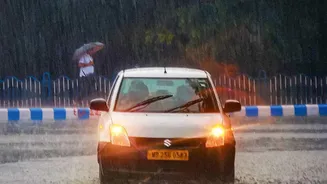
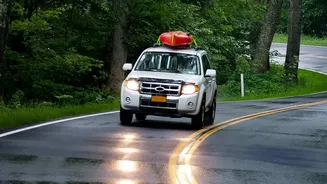
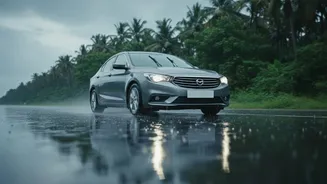
Your vehicle is your first line of defence against monsoon hazards. Before the heavy rains set in, a thorough check is non-negotiable. Tyres are critical, as they are your only point of contact with slippery roads. Ensure your tyres have a tread depth
of at least 3mm for a safe grip on wet surfaces. Worn-out tyres significantly increase the risk of skidding and should be replaced. Equally important are your brakes. The moisture in the air can reduce braking efficiency. Get your brake pads and fluid checked; if the fluid hasn't been changed in two years, it's time for a flush and replacement. Finally, ensure maximum visibility. Replace any wiper blades that leave streaks or squeak, as clear vision is priceless in a downpour. Check that all your lights—headlights, tail lights, and indicators—are working perfectly. Clean headlights can improve visibility, which is crucial for spotting potholes hidden under water.
Plan Your Journey Smarter
During the monsoon, spontaneity is not your friend. Planning your commute can help you avoid the worst of the rain-induced chaos. Before you leave, check the weather forecast and use real-time traffic apps to identify waterlogged areas and major congestion points. Many navigation apps now provide live updates on road conditions, allowing you to choose a safer, alternative route. If possible, leave for the office a little earlier than usual to account for potential delays. For those driving cars, try to stick to the centre lane on roads with known waterlogging issues, as these lanes are often slightly elevated and have less water accumulation. If you rely on public transport, use live tracking apps to monitor bus or train delays and avoid spending unnecessary time waiting at crowded, wet stations.
Equip Yourself with the Right Gear
The right personal gear goes beyond a simple umbrella. Your monsoon survival kit should focus on staying dry, safe, and comfortable. Invest in waterproof footwear with good grip to prevent slips and falls on slick platforms and pavements. Keeping a spare set of dry clothes and a pair of socks at the office can be a lifesaver after an unexpected drenching. Protecting your electronics is also crucial. Use a waterproof backpack or a dedicated rain cover for your bag. For extra security, place laptops, phones, and important documents in waterproof pouches or zip-lock bags. A fully charged power bank is another essential, as travel delays could leave you stranded with a dead phone when you need it most.
Prioritise Health and Hygiene
The monsoon season is notorious for a spike in water-borne and fungal infections. Maintaining personal hygiene during your commute is vital. Always carry an alcohol-based hand sanitiser and use it frequently, especially before eating. Avoid consuming street food and drinks, as they are easily contaminated during the rains. Instead, carry your own bottle of boiled or filtered water to stay hydrated. If you get wet in the rain, change out of damp clothes as soon as possible to prevent fungal infections. Pay special attention to your feet; after wading through puddles, wash them with soap and dry them thoroughly upon reaching your destination.
Adopt Defensive Driving and Riding Habits
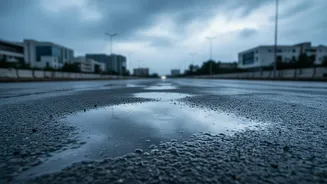
Wet roads demand a change in your driving style. The key is to be cautious and defensive. Reduce your speed and increase the following distance between your vehicle and the one ahead. Wet roads diminish braking efficiency, so more space gives you more time to react. Avoid sudden acceleration, sharp turns, or abrupt braking, as these actions can cause your vehicle to skid. Be particularly wary of driving through large puddles or waterlogged streets. You cannot see hidden potholes, open manholes, or debris lurking beneath the surface. If you must navigate through water, do so slowly and steadily. Never attempt to restart your vehicle if it stalls in a waterlogged area, as this can cause severe engine damage.