

The Modern Appeal of Ancient Grains
Before wheat and refined flour became kitchen staples, Indian diets were rich with a diverse range of millets. Ragi, bajra, and jowar were cornerstones of our culinary heritage for centuries. Now, as health consciousness rises, these grains are being
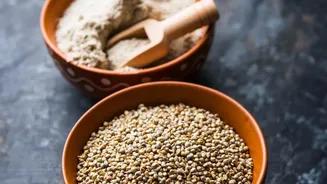
celebrated once again for their impressive nutritional profiles. Packed with fibre, naturally gluten-free, and boasting a lower glycemic index than refined grains, millets provide sustained energy without the sugar crash. They bring a unique, earthy depth to sweets, proving that nutritious can also be delicious.
Ragi: The Calcium and Iron Powerhouse
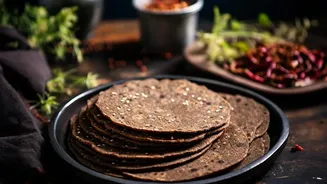
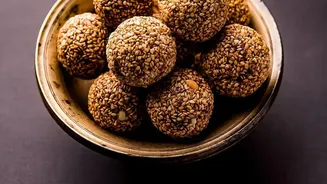
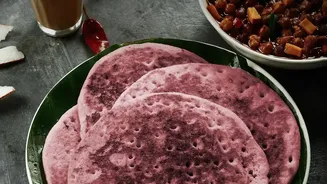
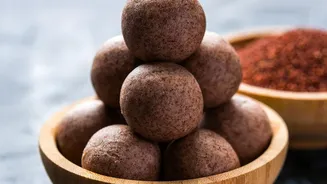
Ragi, or finger millet, is a true superfood, renowned for being one of the best non-dairy sources of calcium, crucial for bone health. It's also rich in iron and dietary fibre. Its dense nutritional profile makes it an excellent choice for everyone, from growing children to adults. In sweets, ragi flour has a distinct, slightly malty and nutty flavour that pairs beautifully with jaggery, coconut, and chocolate. Traditional desserts like Ragi Ladoos, Ragi Halwa, and even a Karnataka special called Ragi Manni (a soft pudding) showcase its versatility. The flour's dark colour gives a beautiful, rustic look to any sweet it's used in.
Bajra: The Warming Winter Wonder
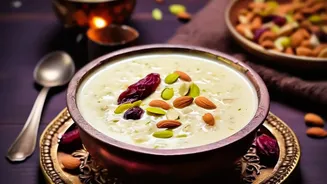
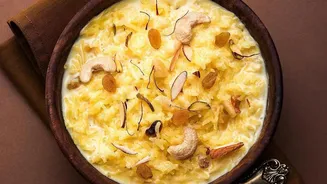
Bajra, or pearl millet, is often associated with the winter months, particularly in Rajasthan and Gujarat, for its warming properties. This grain is an excellent source of protein, magnesium, and iron. Its flavour is bold and nutty, adding a satisfying richness to desserts. Bajra works wonderfully in recipes that benefit from a hearty, dense texture. Think Bajra Halwa, also known as 'Sheero', which has a caramel-like flavour from roasting the flour in ghee. It can also be used to make sweet rotis or ladoos, often sweetened with jaggery and spiced with cardamom to create a comforting and energising treat.
Jowar: The Mild and Versatile All-Rounder
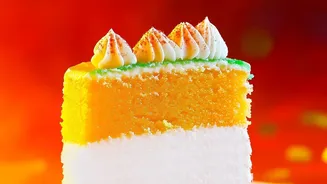
Jowar, or sorghum, is perhaps the most versatile of the three. With its light colour and mild, slightly sweet flavour, jowar flour can be easily incorporated into a wide variety of desserts without overpowering other ingredients. It is rich in protein, fibre, and antioxidants. Because of its neutral taste, jowar is a fantastic gluten-free substitute for refined flour in cakes, cookies, and barfis. You can create a delicious and surprisingly light Jowar Halwa or even a steamed jaggery cake that is both healthy and quick to make. Its ability to blend seamlessly makes it a great starting point for anyone new to millet-based sweets.
Tips for Perfect Millet Sweets
Cooking with millet flours can be a little different from using wheat flour. Firstly, always roast the millet flour in a little ghee on low heat until it releases a nutty aroma; this step is crucial for developing deep flavour and removing any raw taste. Millets tend to absorb more liquid, so you might need to adjust the amount of milk or water in a recipe. When substituting in a recipe, it's often best to start by replacing only a portion, say 25-30%, of the refined flour with millet flour to get used to the texture. Combining millet flour with nut flours like almond flour can also enhance the taste and texture of your desserts. Finally, natural sweeteners like jaggery, dates, and palm sugar complement the earthy notes of these grains far better than refined sugar.