




It Starts with the Dye
The secret to denim's signature aging process is the indigo dye itself. Unlike other dyes that chemically bond with and penetrate cotton fibres, indigo dye particles largely sit on the surface of the yarn. This is often achieved through a process called
rope-dyeing, where bundles of yarn are repeatedly dipped and aired out, building up layers of colour on the outside while leaving the core of the yarn white. Because the dye is only on the surface, it's susceptible to being physically rubbed off through friction. Fading, therefore, isn't the colour disappearing; it's the white core of the cotton threads being revealed through wear and tear.
Raw vs. Washed Denim
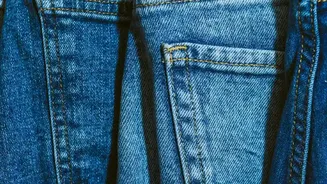
A huge factor in how a garment fades is its state when you buy it. Raw denim, also known as dry or unwashed denim, is fabric that hasn't been washed or treated after being dyed. It's stiff, dark, and holds all of its original indigo. This makes it a blank canvas, and the fades that develop are entirely based on the wearer's body and habits, resulting in dramatic, high-contrast patterns over time. In contrast, most jeans sold today are washed denim. They undergo industrial washing processes like stone washing or enzyme washes to make them softer, more comfortable from the first wear, and to give them a pre-faded, worn-in look. While convenient, this means the fading process has already been started for you.
Your Body Is the Artist
The most personal element of denim fading is you. Your unique movements create specific wear patterns because the stiff fabric creases at the same points repeatedly. These high points on the folds receive the most friction, causing the indigo to wear away faster there while the valleys of the creases remain dark. This process creates several distinct patterns. 'Whiskers' are the horizontal lines that fan out across the hips and thighs from sitting and walking. 'Honeycombs' are the coveted lattice-like patterns that form in the creases behind your knees from bending your legs. Even carrying a phone or wallet in the same pocket every day will eventually create a faded outline, making your denim a true record of your life.
The Great Wash Debate
How and when you wash your denim significantly influences the final look. For those chasing sharp, high-contrast fades, the strategy is often to wear the jeans as long as possible before the first wash. This allows deep creases to set and significant friction to occur, creating stark differences between faded and dark areas. More frequent washing produces a different effect. Each wash removes a small amount of loose indigo dye from the entire garment, resulting in a softer, more uniform fade and a lighter overall blue colour. This is often called a 'vintage fade' and is reminiscent of classic workwear from the mid-20th century. Washing inside out in cold water can help preserve the colour for longer, but ultimately, washing is necessary to clean the fabric and can even extend its life by removing damaging dirt and oils.