


The End of a Production Line
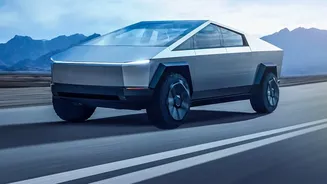
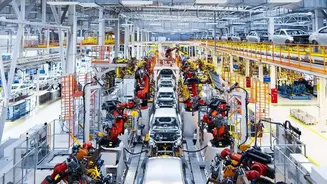
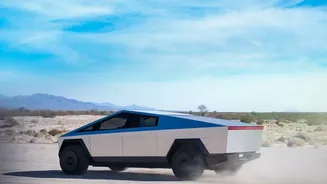
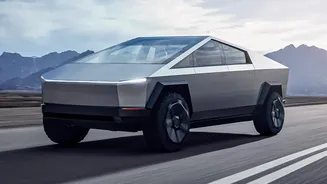
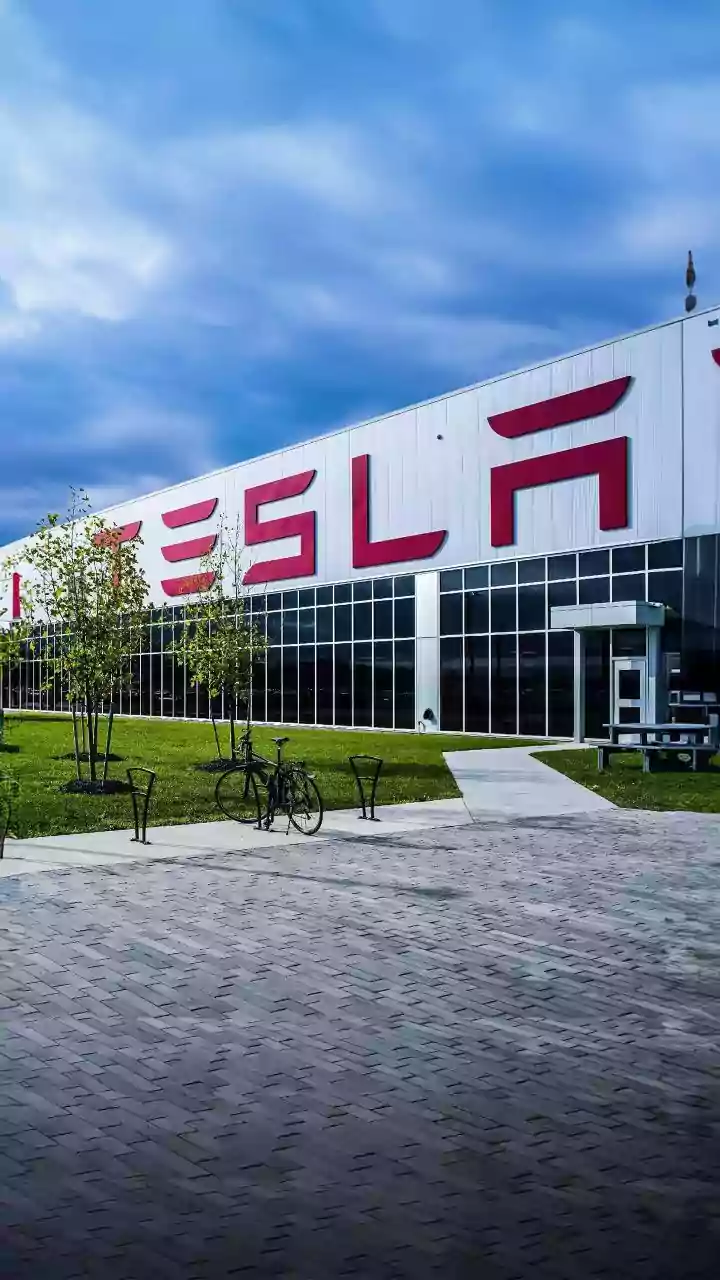
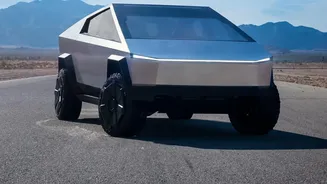
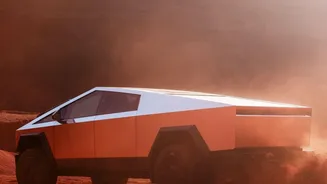
Tesla CEO Elon Musk confirmed in a post on the social media platform X that the company plans to scale back and ultimately cease Cybertruck assembly at its Austin-area plant. The change, scheduled for mid-2027, is intended to free up manufacturing space
and resources for a vehicle central to Tesla’s future ambitions—the autonomous Cybercab. While Musk did not explicitly state whether Cybertruck production would move to another facility, the specialized tooling required for its stainless-steel body makes a transfer unlikely and costly. The lead engineer for the project, Wes Morrill, suggested the truck's journey has reached its end, noting that the Cybertruck was an 'incredible technology development platform' that now 'lives on through Cybercab'. Production of the truck will continue for another eight to nine months before the focus shifts entirely to scaling up the new autonomous vehicle.
A Pivot to Robotaxis
The decision to halt Cybertruck production is less about the truck itself and more about Tesla's strategic evolution. The company is increasingly focusing on artificial intelligence and autonomous mobility, with the Cybercab at the heart of this vision. The Cybercab is a two-seat, purpose-built robotaxi with no steering wheel or pedals, designed for a future ride-hailing network. Production began at Giga Texas in early 2026, with paid public rides launching in parts of Austin in September 2026. By reallocating factory floor space from the Cybertruck to the Cybercab, Tesla is betting heavily on an autonomous future, shifting from selling cars to private owners to operating a fleet of driverless vehicles. This aligns with Musk's broader goal of redefining Tesla as an AI and robotics company, not just a car manufacturer.
Sales Fell Short of Ambition
While the official reason for the production change is to make room for the Cybercab, the Cybertruck's challenging sales history is a significant factor. Despite a dramatic 2019 reveal and initial hype, the truck struggled to meet lofty sales expectations. Musk once projected that Tesla could produce between 250,000 and 500,000 Cybertrucks annually. However, actual sales figures have been a fraction of that. Estimates from Cox Automotive show a steep decline in US sales, from around 39,000 in 2024 to just over 20,000 in 2025. The vehicle faced numerous hurdles, including production delays, higher-than-promised pricing, multiple recalls for issues like faulty accelerator pedals, and a polarizing design that failed to meet safety regulations in major markets like Europe. Even Musk himself admitted the company 'dug our own grave' with the truck's complexity.
What This Means for the Future
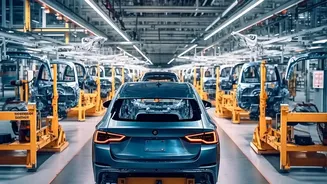
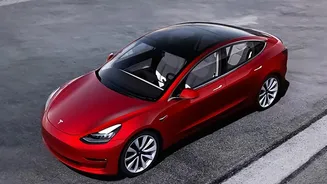
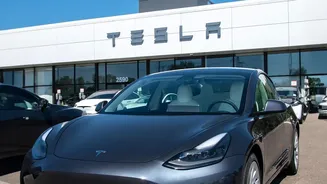
The end of the Cybertruck line in Texas marks a defining moment for Tesla. It underscores the company's unsentimental, rapid-pivot approach to manufacturing and product strategy. For current and prospective Cybertruck owners, the company has stated that service support and spare parts will continue to be available. However, the focus is now squarely on the Cybercab and the 'unboxed' manufacturing process that enables its efficient production. This new method, which involves building cars in modular sections simultaneously, aims to dramatically cut costs and factory footprints. The strategic shift leaves the Model 3 and Model Y as Tesla's core passenger vehicles until the planned 2028 arrival of the next-generation Roadster. The winding down of the Cybertruck is a calculated risk, sacrificing a high-profile but low-volume product to double down on the highstakedes potentially transformative world of autonomous transportation.