




What Exactly Is the Instagram Effect?
The Instagram effect refers to the immense influence the visual-first social media platform has on consumer choices and business strategies. In the restaurant world, this translates to a powerful incentive to create food and dining experiences that are
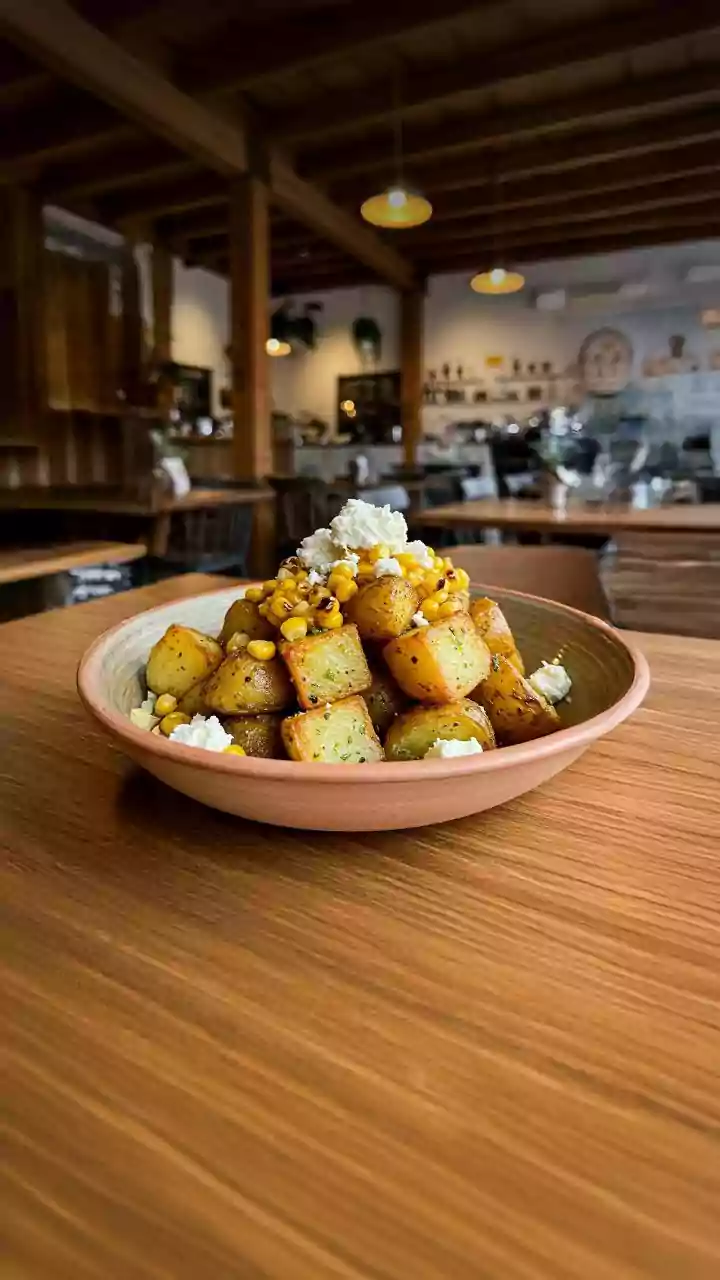
highly photogenic, or 'Instagrammable'. It’s a phenomenon where the potential for a dish or a location to be shared online becomes a key consideration in its creation. Restaurants are no longer just selling food; they are selling a picture-perfect moment that diners are eager to capture and share. This has led to menus being specifically designed with 'Instagrammability' in mind, featuring dishes that are visually dramatic and likely to go viral, which in turn can bring in more customers than traditional advertising.
Crafting the Picture-Perfect Plate
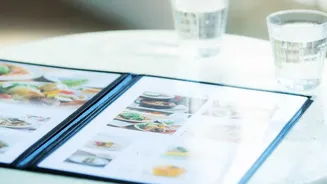
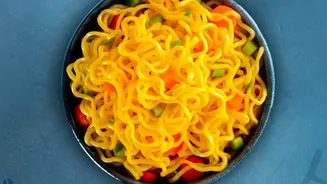
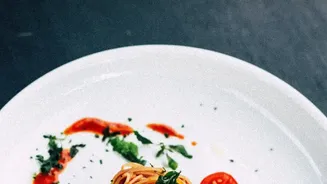
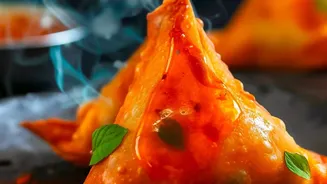
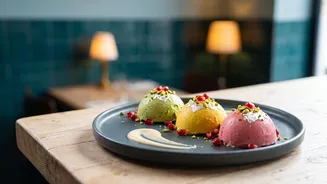
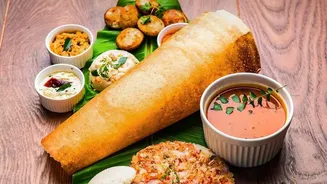
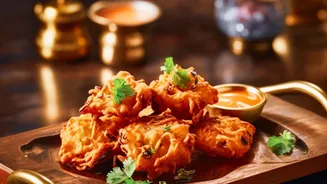
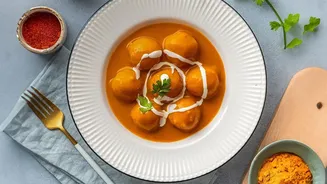
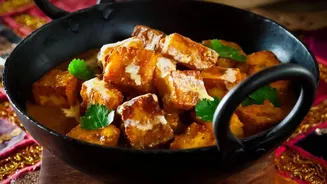
Chefs and restaurateurs are increasingly acting like food stylists and creative directors. The focus has shifted to include vibrant colours, unusual ingredients, and dramatic presentations designed to pop on a phone screen. Think freakshakes overloaded with toppings, charcoal-infused black ice cream, or cocktails served in unique vessels like brass pineapples. This emphasis on visual appeal can sometimes come at the cost of flavour. Some chefs have openly pushed back against making 'Instagram food,' arguing that prioritising style over substance compromises the culinary integrity of their dishes. However, the pressure remains, as a single viral image can lead to massive increases in foot traffic and sales, making it a tempting marketing strategy.
Designing Spaces for the Social Share
The Instagram effect extends far beyond the plate. Restaurant interiors are now a crucial part of the marketing strategy, with 'Instagrammable' often being a key part of the design brief. This includes creating specific photo opportunities like statement walls with murals, neon signs with catchy phrases, unique seating arrangements, and even aesthetically pleasing bathrooms. Good lighting is paramount, with a move away from dim, moody ambiances towards brighter, cleaner spaces that are conducive to flattering photos. The goal is to create an immersive and visually captivating environment that encourages diners to become brand ambassadors by sharing their experience online.
The Psychology of a Shared Meal
For diners, the act of photographing food has become a modern-day ritual. Studies suggest that this practice can actually increase the enjoyment of a meal by building anticipation. Sharing food photos is also a form of self-expression and social connection; it's a way to document our lives, seek validation, and bond with others over a universal experience. However, this digital lens can also create a dilemma. It can pressure individuals to choose what they eat based on its visual appeal rather than taste. This can lead to a disconnect from the sensory experience of eating, turning a moment of private enjoyment into a public performance. Some researchers even link an obsession with food photography to a problematic relationship with eating itself.
A Blessing and a Curse for Restaurants
The benefits for businesses are clear: viral social media posts offer enormous free advertising and can turn a small café into a must-visit destination. However, this reliance on visual trends can be a double-edged sword. It creates pressure to conform to fleeting fads, potentially leading to a homogenisation of menus and decor. Furthermore, there is the risk of a disconnect between the visual hype and the actual quality of the food. A dish might look spectacular online, but if it fails to deliver on taste, it can lead to disappointment and negative reviews. Ultimately, restaurants must strike a delicate balance: leveraging the power of social media without sacrificing the substance and authenticity that builds a loyal customer base.