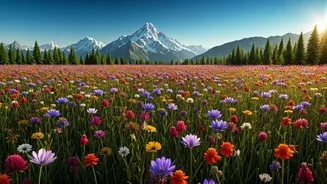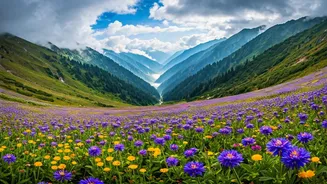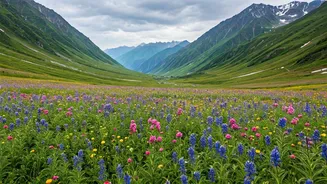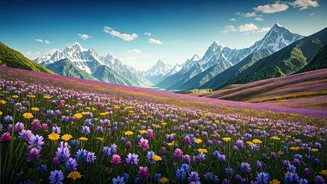



A High-Altitude Eden
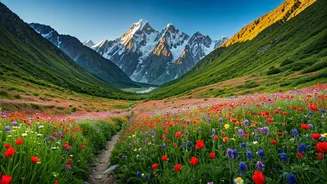
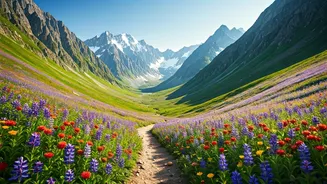
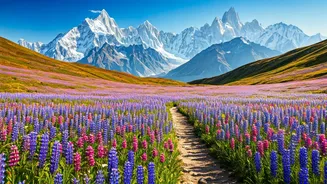
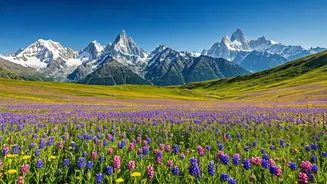
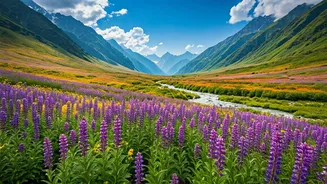
Nestled deep within the Chamoli district of Uttarakhand, the Valley of Flowers National Park is more than just a tourist destination; it's a living canvas. A UNESCO World Heritage Site, this breathtaking valley is part of the larger Nanda Devi Biosphere
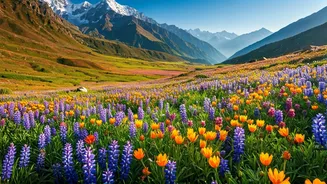
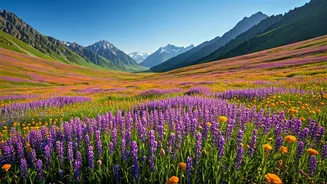
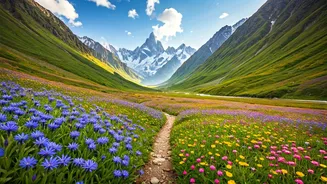
Reserve. Each year, as the snow melts, the valley floor erupts into a riot of colour with over 500 species of alpine flowers. According to local legend, this is the mythical ‘Nandan Kanan’ from where Lord Hanuman collected the Sanjeevani buti to save Lakshmana. The air is crisp, the landscape is dramatic, and the floral display is an unforgettable spectacle of nature's artistry.
The Journey to Paradise
Reaching the valley is an adventure in itself. The journey begins from Govindghat, a small town on the banks of the Alaknanda River. From here, it's a moderately challenging trek of about 14 kilometres to the base camp, Ghangaria. This route, which can be covered on foot, by pony, or via helicopter service (weather permitting), is a scenic trail that prepares you for the beauty ahead. Ghangaria is the only place with accommodation options near the valley. The final leg of the journey is a 3-4 kilometre trek from Ghangaria into the Valley of Flowers itself. The path is well-defined but requires a decent level of fitness, as you'll be trekking at an altitude of over 3,600 metres (11,800 feet).
What's in Bloom?
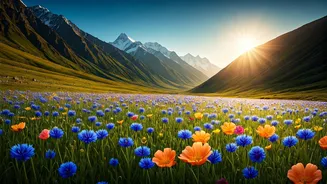
The Valley of Flowers is a dynamic ecosystem, and the floral display changes every few weeks. The season, which runs from June 1st until late October, offers different sights. Early in the season, you might find primulas, wild roses, and potentillas. As the monsoon progresses through July and August, the valley reaches its peak magnificence. This is when the most famous and vibrant flowers, including the elusive blue poppy, cobra lily, brahmakamal, and countless varieties of balsams and geraniums, carpet the meadows in swathes of purple, yellow, pink, and blue. Every visit offers a unique composition of colours and species, making it a new experience each time.
Planning Your Visit: Key Details
A trip to this fragile paradise requires careful planning. The park is officially open from June 1st until the end of October, though the exact closing date depends on snowfall. For the most spectacular, full-bloom experience, the period from mid-July to mid-August is widely considered the best time to visit. To enter, you must obtain a permit from the Forest Department checkpoint at Ghangaria, which is valid for three days. Entry into the valley starts at 7:00 AM, and all visitors must begin their return journey by 2:00 PM to exit the park by 5:00 PM. Overnight camping inside the valley is strictly prohibited to protect its delicate ecosystem. Ensure you book your accommodation in Ghangaria well in advance, especially during the peak season.
Beyond the Blooms: Hemkund Sahib
Most travellers who make it to Ghangaria also undertake the pilgrimage to Hemkund Sahib. Situated at an altitude of 4,329 metres (14,200 feet), this is one of the most revered Sikh gurudwaras in the world. The trek from Ghangaria to Hemkund Sahib is a steep 6-kilometre climb, more strenuous than the walk to the Valley of Flowers, but immensely rewarding. The gurudwara is located beside a glacial lake, surrounded by seven snow-capped peaks. The serene atmosphere and stunning panoramic views provide a spiritual and physical counterpoint to the floral beauty of the valley below, making for a truly comprehensive Himalayan experience.