

Choose Your Pot and Plant
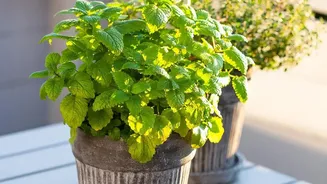
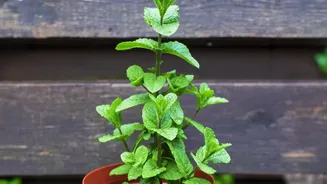
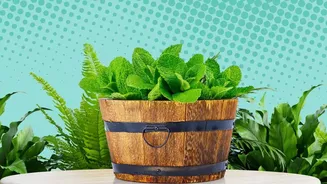
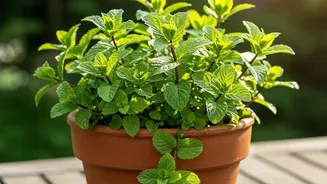
The first step is giving your mint a proper home. Because mint spreads via runners, a wide pot is more important than a deep one. Choose a container that is at least 8 to 12 inches in diameter to give it room to expand. Ensure the pot has plenty of drainage
holes to prevent water from pooling at the bottom, which can lead to root rot. While you can grow mint from seed, it's often easier and faster to start with a young plant from a nursery or a cutting from a friend's plant. A cutting can be placed in a glass of water, and it will often sprout roots within a week or two, ready for planting.
The Right Soil and Potting
Mint is not overly fussy about soil but thrives in a rich, well-draining potting mix. Standard, high-quality potting soil from a garden centre will work perfectly. Avoid using heavy garden soil, which can become compacted in a pot and may contain pests. To further improve drainage, you can mix in some perlite or coarse sand. When potting your mint, fill the container with the soil mix, place the plant at the same depth it was in its previous pot, and gently firm the soil around it. Water it thoroughly after planting to help it settle in.
Sunlight and Placement
Light is crucial for a healthy, flavorful mint plant. Indoors, mint needs at least 4-6 hours of bright, indirect sunlight each day. An east-facing window with gentle morning sun is a good option, but a south-facing windowsill is often ideal. If you notice your plant's stems becoming long and 'leggy' with sparse leaves, it's a clear sign it needs more light. Without enough light, the leaves will not develop their full, potent flavour. If you don't have a sunny window, consider using a simple LED grow light to supplement.
Watering Without Worry
Mint prefers its soil to be consistently moist but never waterlogged. Overwatering is one of the most common reasons indoor mint plants fail. A good rule of thumb is to water the plant when the top inch of soil feels dry to the touch. Water thoroughly until it runs out of the drainage holes, and then empty any excess water from the saucer underneath. Letting the plant sit in water is a fast track to root rot. During hot, dry weather, you may need to water more frequently.
Harvesting for Abundance
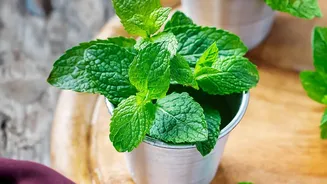
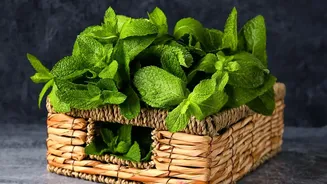
Regular harvesting is the secret to a bushy, productive mint plant. Instead of plucking individual leaves, use clean scissors to snip off the top portions of the stems, cutting just above a set of leaves. This encourages the plant to branch out, creating a fuller shape. You can start harvesting as soon as the plant is established and has several stems that are at least 6-8 inches long. The best flavour is found in the leaves just before the plant begins to flower. Frequent trimming not only provides you with fresh mint but also keeps the plant healthy and compact.
Troubleshooting Common Issues
Even this easygoing herb can run into problems. If you see yellowing leaves and the soil is constantly wet, you are likely overwatering. Let the soil dry out more between waterings. Leggy, pale growth signals a lack of sunlight. Pests like spider mites can sometimes appear, especially in dry, stagnant air. You can often manage them by simply rinsing the leaves with water or wiping them with a damp cloth. Ensuring good air circulation around your plant can also help prevent pests.