





From Sun Salutations to Social Statements
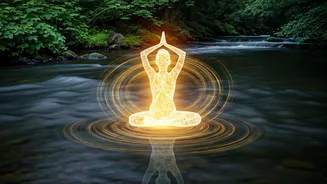
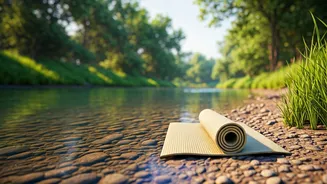
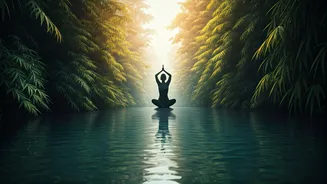
On Instagram feeds typically filled with fashion hauls and viral dance challenges, a different kind of content is emerging. Young Indians are posting images of themselves performing yoga asanas—not in sterile studios, but on the banks of polluted rivers
and streams. These aren't just wellness posts; they are powerful political and environmental statements. Using hashtags like #YogaForRivers, #HealOurRivers, and #GangaAction, a decentralized, youth-led movement is taking shape. It’s a visually striking campaign that combines the serene discipline of yoga with the stark reality of India’s ecological crisis, demanding attention in a way that petitions and pamphlets sometimes cannot. This fusion of the physical and the political is capturing the imagination of a generation eager to make a tangible difference.
Why Yoga? Reclaiming a Deeper Connection
For these young activists, yoga is more than just a set of physical exercises. It is a philosophy rooted in the concept of connection—to oneself, to the community, and to nature. In Vedic tradition, rivers are not just bodies of water; they are revered as goddesses and lifelines. The Ganga, Yamuna, and Kaveri are intertwined with India's spiritual and cultural identity. By practicing yoga beside these threatened waterways, Gen Z is consciously reviving this ancient reverence. They argue that the ecological crisis is also a spiritual one, born from a disconnection with the natural world. Yoga, therefore, becomes a tool to mend that disconnect, transforming personal wellness into a collective responsibility for planetary health. It’s a powerful reframing of an ancient practice for a contemporary crisis.
The Tools of Digital-Native Activism
While the philosophy is ancient, the methods are thoroughly modern. This movement thrives on social media, leveraging the power of visual storytelling. A single, powerful image of a warrior pose set against a backdrop of plastic-choked water tells a more immediate story than a thousand-word report. Instagram Reels, short-form videos, and coordinated 'tweetstorms' are used to spread awareness, organize local clean-up drives, and call out government and corporate inaction. This isn't the activism of the previous generation. It is less about formal organizations and more about creating influential online communities. These digital natives understand the mechanics of viral content and use it to mainstream conversations about river pollution, water scarcity, and the urgent need for conservation policies.
Beyond Awareness: The Call for Action
While raising awareness is a primary goal, the campaign doesn't stop at a hashtag. The ultimate aim is to translate online visibility into offline impact. These youth-led groups are using their platforms to organize and promote real-world activities, from weekend riverbank cleaning drives to tree plantation events that help prevent soil erosion and improve water quality. Furthermore, they are becoming a potent political force, using their collective voice to pressure local municipalities for better waste management and to demand that corporations take responsibility for industrial effluent. The message is clear: liking a post is not enough. The goal is to inspire their peers to get involved, whether by reducing their own plastic consumption, joining a local volunteer group, or holding elected officials accountable.
Is It Just a Passing Trend?
Inevitably, this form of activism faces skepticism. Critics question whether it is merely 'performative,' a way to generate social media clout without creating lasting change. Some purists may also argue that it commercializes or trivializes the spiritual depth of yoga. However, the movement's participants see it differently. They contend that in a world saturated with information, you must first capture attention to inspire action. By meeting their generation where they are—on social media—and speaking a language that blends cultural pride with modern anxieties, they are building a gateway to deeper environmental engagement. For them, every post is a seed, and the hope is that these seeds will grow into a forest of genuine, sustained environmental stewardship.