






The New Digital Tactic
For a generation that grew up with technology at their fingertips, using AI like ChatGPT for interview prep is a natural next step. The daunting process of researching a company, anticipating questions, and rehearsing answers has found a powerful new
assistant. Gen Z candidates are turning to the chatbot to level the playing field, seeing it as a 24/7 interview coach that can be accessed anytime, anywhere. They're using it to gain an edge, get organised, and walk into interviews with a different kind of confidence—one that comes from being thoroughly prepared by both human and artificial intelligence.
Generating Questions and Company Insights
One of the most popular uses is asking ChatGPT to act as a hiring manager. By feeding it a job description and company details, candidates can generate a list of likely interview questions, covering everything from common behavioural queries to specific technical challenges. This allows them to move beyond generic preparation and focus on what the employer is most likely to ask. Prompts like, "Based on this job description, what are the top five skills the hiring manager will care about, and what questions might they ask to test them?" are common. This transforms the job description from a simple list of requirements into a strategic cheat sheet for the interview itself.
Crafting and Rehearsing Answers
Beyond just getting questions, Gen Z is using ChatGPT to help structure their answers. A key area is practicing the STAR method (Situation, Task, Action, Result), a format many recruiters favour for behavioural questions. Candidates provide the AI with a real-life work example, and ask it to help frame it within the STAR structure. This ensures their stories are clear, concise, and impactful. Some even paste their drafted answers and ask the AI for feedback, requesting it to make the response more confident or to highlight specific metrics. The goal isn't to have the AI invent stories, but to polish the delivery of their genuine experiences.
The Mock Interview Revolution
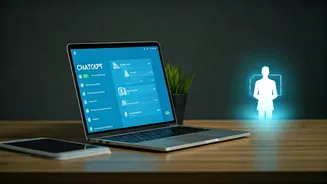
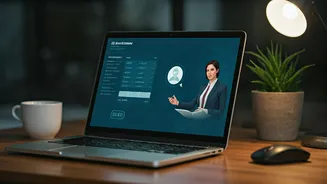
Perhaps the most powerful feature is the ability to conduct a full mock interview. A candidate can prompt ChatGPT to start a simulated interview, asking a series of questions and even follow-ups based on the user's answers. This provides invaluable practice in a low-stakes environment, helping to reduce anxiety and build conversational flow. Unlike practicing in front of a mirror, the AI can offer immediate, structured feedback. It can point out if an answer was too long, didn't fully address the question, or could be strengthened with a better example, acting as a tireless and objective practice partner.
A Word of Caution from Recruiters
While these methods are clever, recruiters have a mixed view. The primary concern is the loss of authenticity. An over-reliance on AI can lead to answers that sound generic, robotic, and detached, lacking the personal touch and genuine emotion that help a candidate stand out. Some HR professionals view the use of AI in an application or live interview as a dealbreaker, suggesting it's a form of cheating. There's a fine line between using AI as a preparation tool and using it as a crutch. The moment a candidate sounds like they are reading a script or can't elaborate beyond their rehearsed points, the facade crumbles. Moreover, recruiters are now actively looking for signs of AI-assisted answers, such as unnatural pauses or rapid eye movements during video calls.
The Smart Way to Use Your AI Co-Pilot
The consensus among career experts is that ChatGPT should be used as a co-pilot, not an autopilot. Use it for brainstorming, research, and structure, but always ensure the final product is infused with your own personality, experiences, and voice. Use the generated questions to practice thinking on your feet. Use the answer structures to learn how to tell your own stories more effectively. The best hires often have unconventional backgrounds or unique ways of thinking that an algorithm might filter out. Your goal in an interview isn't just to provide the 'correct' answer, but to connect with the interviewer and demonstrate how your unique skills and personality fit the team.