




Plan Ahead: The Foundation of a Safe Trip
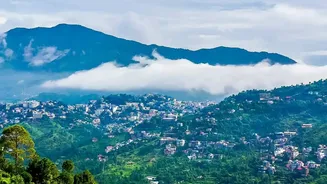
A successful monsoon holiday begins long before you pack your bags. The first step is choosing your destination wisely. While many regions become spectacularly beautiful, some, particularly in the hilly terrains of Himachal Pradesh and Uttarakhand, are
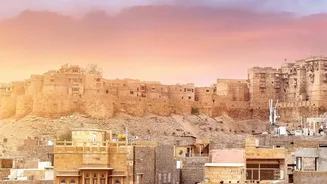
prone to landslides and road blockages. Consider destinations like Rajasthan, which receives moderate rainfall, or parts of the Western Ghats that are accessible and stunning. Next, keep your travel plans flexible. Book flights and hotels that offer easy cancellation or rescheduling. Monsoon weather can cause significant travel delays, from waterlogged railway tracks to flights being rerouted due to poor visibility. Building buffer days into your itinerary is a practical way to absorb these potential disruptions without stress. Finally, invest in travel insurance. Ensure your policy covers trip cancellations and interruptions due to weather-related events, which are common during this season.
Pack Smart: Your Monsoon Survival Kit
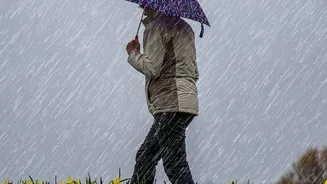
Your packing list is your first line of defence against the rain. Forget fashion; functionality is key. Quick-drying synthetic fabrics are your best friends—they are lightweight and won't stay damp for days like cotton or denim. A high-quality, lightweight raincoat or poncho is more effective than an umbrella, which can be useless against strong monsoon winds. Footwear is critical. Pack waterproof sandals or shoes with a strong grip to navigate slippery and waterlogged streets safely. It’s wise to carry an extra pair. To protect your valuables, waterproof bags and covers are non-negotiable. Use waterproof pouches or even simple ziplock bags for your phone, camera, passport, and other electronics. A power bank is also essential, as power cuts can be more frequent during heavy rains.
On the Ground: Stay Alert and Informed
Once you've arrived at your destination, staying informed is paramount. Download reliable weather apps, such as the official IMD Weather app, AccuWeather, or Windy, to get real-time updates on forecasts and potential weather warnings like flash floods or cyclones. It's important to check the weather not just for your location but also along your travel routes, especially for road trips. Be cautious about food and water. The risk of water contamination increases during the monsoon. Stick to bottled or filtered water and prioritise hot, freshly cooked meals over raw street food to avoid stomach upsets. Always carry a basic first-aid kit with essentials like insect repellent, antiseptic cream, bandages, and medication for common ailments like fever or diarrhoea.
Navigating the Roads: Safety First
Road travel requires extra caution during the monsoon. If you’re driving, ensure your vehicle’s tyres, brakes, and wipers are in excellent condition. When travelling to hilly areas, avoid driving after dark if possible, as visibility is poor and the risk of landslides increases. Be prepared for the unexpected. Keep emergency supplies in your vehicle, including a flashlight, dry snacks, and extra drinking water. If you encounter a flooded road, do not attempt to drive through it. The depth can be deceptive, and the current can be strong. It’s always better to wait for the water to recede or find an alternative, safer route. When in doubt, trust local advice; drivers and residents often have the best understanding of which roads are safe to take.