

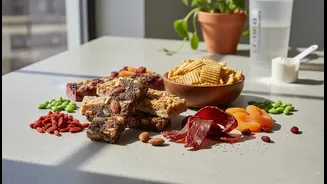


The Great Indian Snack-Shift
Snacking in India is more than just a habit; it’s a cultural ritual. But the contents of our national snack box are undergoing a significant transformation. According to the recently released Farmley Healthy Snacking Report 2026, a staggering 86% of Indians
now consider protein an important factor when choosing a snack. This isn't just a trend confined to gym-goers or fitness enthusiasts anymore. It signals a mainstream move towards more mindful and functional eating habits across the country. The report, which surveyed over 6,000 consumers, shows that nutrition is no longer a niche concern but a primary driver in purchasing decisions. Consumers are actively seeking snacks that do more than just satisfy a craving; they want fuel, function, and flavour, all in one convenient bite.
Reading the Label, Not the Endorsement
Perhaps one of the most telling findings is the new gold standard for trust: transparency. The report found that 62% of respondents consider clear information about ingredients the most important factor when selecting a snack brand. This places ingredient transparency far ahead of celebrity endorsements or influencer recommendations in terms of importance. People want to know what’s in their food. This desire for 'clean labels' extends to sweeteners as well. A significant 61% of consumers prefer snacks sweetened with natural ingredients like dates or jaggery over refined sugar. This indicates a clear demand for products with minimal, recognisable, and trustworthy ingredients, forcing brands to rethink their formulations and be more honest on their packaging.
Willing to Pay for a Healthier Bite
This health-conscious mindset isn't just a preference; it's influencing spending habits. The Farmley report reveals that nearly one-third (32%) of consumers are willing to pay a premium for products that are rich in protein. This trend is particularly evident among parents, with nearly 60% stating they are willing to spend more for healthier snack options for their children. This willingness to invest in better nutrition is creating a new market for specialised products. For instance, the report highlighted that more than half of the women surveyed expressed interest in snacks specifically formulated to support nutritional needs during different phases of the menstrual cycle, pointing to a new frontier in functional foods.
The Quick Commerce Snack Run
How we buy our snacks is also changing rapidly, thanks to the rise of quick commerce. When a craving strikes, a growing number of Indians are turning to their phones. The report found that 31% of respondents prefer using Blinkit for their snack purchases, with Zepto (16%) and Instamart (15%) following. This shift highlights the need for convenience in the modern Indian lifestyle. However, traditional retail still holds considerable sway. Around 35% of consumers noted that shelf visibility in a physical store has the biggest influence on their purchase decisions, proving that while digital is growing, the kirana store next door is still a powerful player in the snacking landscape.