



A Tale of Two Spices
Cumin, or 'jeera', is the backbone of countless Indian preparations. Its warm, earthy, and slightly nutty aroma is a foundational flavour, often one of the first spices to hit a hot pan. It provides a deep, savoury base that grounds a dish. In contrast,
mint, or 'pudina', offers a bright, cool, and refreshing counterpoint. Its clean, aromatic profile cuts through richness and adds a layer of fragrant complexity. Together, they create a beautiful balance, a culinary conversation between the warm earth and the cool breeze, making them perfect partners for neutral canvases like rice and vegetables.
Jeera: The Heartbeat of the Kitchen
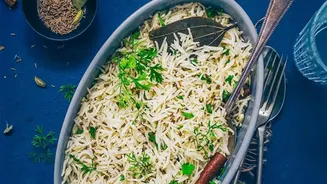
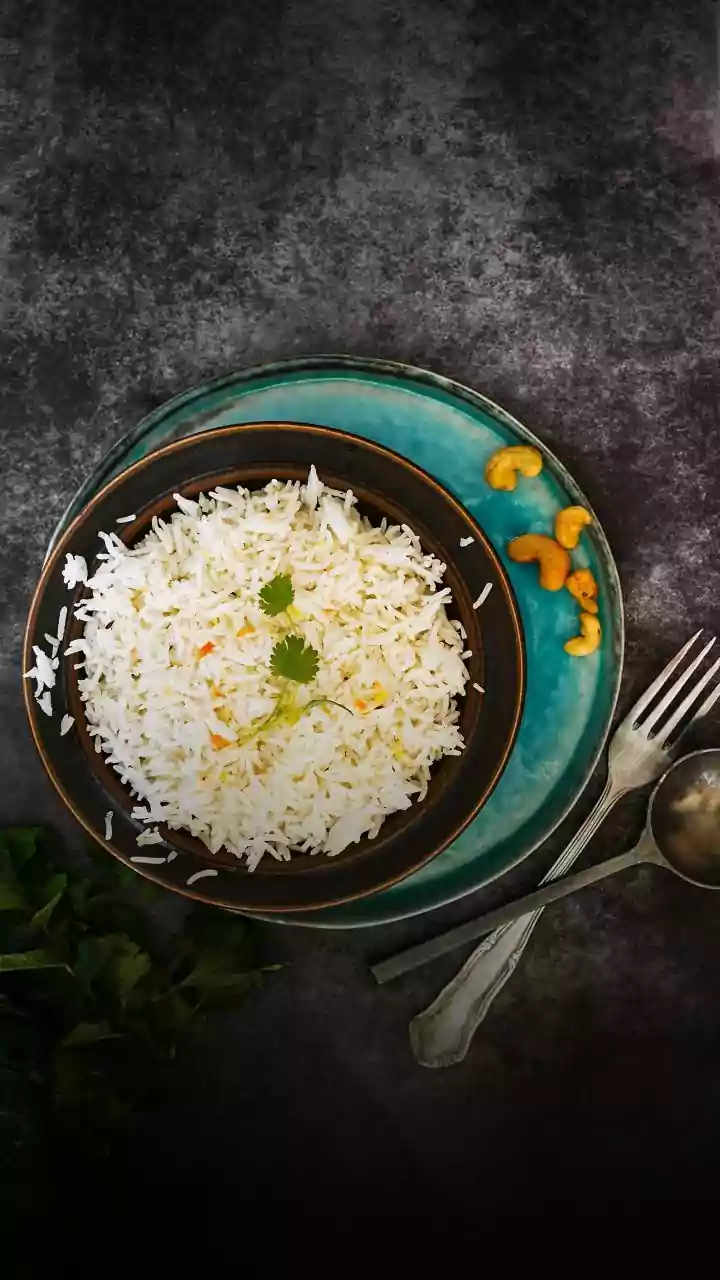
Cumin is indispensable. Used as whole seeds ('sabut jeera') or as a fine powder ('jeera powder'), its role can be transformative. The most common technique is 'tadka' or tempering, where whole cumin seeds are sizzled in hot ghee or oil until they crackle and release their essential oils. This simple step infuses the entire dish with a toasty, aromatic flavour that ground cumin, added later, cannot fully replicate. This technique is the secret behind one of India's most beloved rice dishes: Jeera Rice. It is a testament to how one spice, used correctly, can turn a simple staple into a fragrant centrepiece worthy of any meal.
The Perfect Jeera Rice
Making restaurant-quality Jeera Rice at home is simpler than you might think. The key is to start with good quality, long-grain basmati rice, which should be rinsed and soaked for about 20-30 minutes. To begin, heat ghee or oil in a pot and add a generous teaspoon of cumin seeds. Once they begin to sizzle and you can smell their nutty aroma, you can add other whole spices like a bay leaf or a cinnamon stick for extra depth. Then, add the drained rice, sautéing it gently for a minute to coat the grains before adding water and salt. Cover and cook until the rice is fluffy and each grain is separate, infused with the unmistakable warmth of jeera.
Pudina: A Breath of Fresh Air
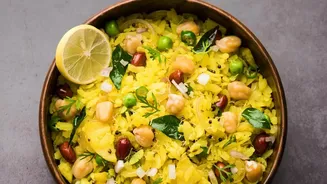
Where cumin provides warmth, mint, known as pudina, brings a cooling, herbaceous lift. It's most potent when used fresh, often ground into a paste with ginger, garlic, and green chillies to form the base of a dish. This vibrant green paste is the soul of Pudina Pulao, a fragrant one-pot rice meal that is both refreshing and deeply flavourful. Unlike the subtle warmth of Jeera Rice, a good Pudina Pulao is unapologetically aromatic, with the mint taking centre stage. This makes it an excellent choice for a light lunch or a special meal, often paired with a simple raita to complement its fresh notes.
Beyond Rice: Vegetables Reimagined
The magic of mint and cumin extends effortlessly to vegetables. One of the most classic vegetable dishes is Aloo Jeera, a simple yet satisfying stir-fry of boiled potatoes and cumin seeds. The potatoes are first boiled and cubed, then tossed in a hot pan with crackling cumin seeds, turmeric, and other spices until they are lightly crisped and coated in flavour. Mint can also be used to create a refreshing 'Pudina Aloo', where boiled potatoes are tossed in a vibrant paste of mint, coriander, and ginger. For a cooling accompaniment to any spicy vegetable dish, a simple mint raita—yogurt mixed with finely chopped mint and a pinch of roasted cumin powder—is the perfect finishing touch.
Tips for Maximum Flavour
To get the most out of these spices, always bloom your whole cumin seeds in hot fat at the start of your cooking. This releases their aromatic oils more effectively than simply adding powder later. For mint, fresh is almost always better for flavour and aroma; dried mint has a more concentrated, less nuanced taste and is best reserved for marinades or when fresh is unavailable. A good rule of thumb is to use three times the amount of fresh mint when a recipe calls for dried. Don't be afraid to combine them; many chutney and marinade recipes use both roasted cumin powder and fresh mint leaves to achieve a complex balance of warm and cool notes.