






After a joyous festive feast, that heavy, sluggish feeling can set in. But Indian culinary wisdom has a delicious, built-in solution: traditional beverages that do more than just quench thirst. They are a masterclass in digestive science.
The Perfect Digestive Counterpart
Indian festivals
are a celebration of abundance, often expressed through rich, flavourful, and heavy foods. While deeply satisfying, these meals can challenge our digestive system. This is where traditional drinks come in, acting not as an afterthought, but as an integral part of the meal designed to restore balance. Far from being mere refreshments, these beverages are complex formulations, rooted in centuries of observation and Ayurvedic principles, created to cool the body, aid digestion, and make the entire feast more enjoyable.
Ayurvedic Wisdom in a Glass
At the heart of this tradition is the Ayurvedic concept of 'Agni', or the digestive fire. A strong Agni is crucial for breaking down food and absorbing nutrients. Heavy, oily, and sweet festive foods can dampen this fire, leading to bloating, gas, and lethargy. Traditional drinks are often crafted with spices that are considered 'deepak' (appetizers) and 'pachak' (digestives) in Ayurveda. Ingredients like ginger, cumin, and black pepper are known to kindle Agni, ensuring that the elaborate meal is processed efficiently. Many spices also have carminative properties, which means they help prevent the formation of gas or facilitate its expulsion, providing immediate relief from discomfort.
The Cooling and Probiotic Powerhouses
Consider Chaas (spiced buttermilk) or Lassi, two of the most common post-meal drinks. Their primary ingredient, yogurt, is a natural probiotic. It introduces beneficial live bacteria like Lactobacillus into the gut, which aids digestion and supports a healthy microbiome. Ayurveda describes yogurt as heavy, but when it's churned and diluted to make Chaas, it becomes light and easier to digest. The spices added are just as important. Roasted cumin powder, a staple in Chaas, stimulates digestive enzymes, while mint and coriander leaves, often used as garnish, have a cooling effect on the body, balancing the heat-generating properties of rich foods.
Spices That Soothe and Settle
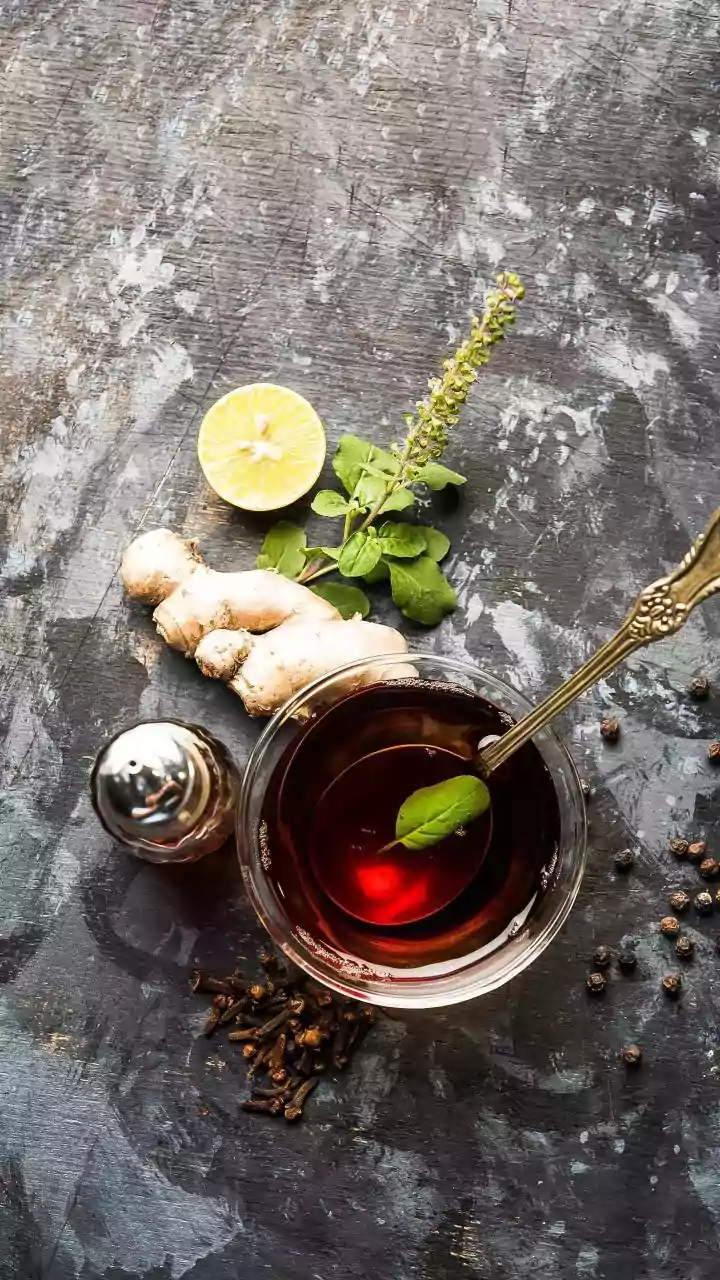
The genius of Indian festive drinks lies in their specific blend of spices, each serving a distinct purpose. Ginger is a well-researched digestive aid that can accelerate how quickly food moves from the stomach to the intestine. Cardamom, the 'queen of spices', is traditionally used to soothe the stomach lining and combat indigestion and heartburn. Cumin and fennel seeds are potent carminatives that relax digestive muscles to relieve gas and bloating. These spices don't just add flavour; they work synergistically to create a potent digestive remedy that is both delicious and effective.
Tangy Tonics for Rehydration and Health
Beyond dairy-'based' drinks,' tangy beverages like Aam Panna and Shikanji play a crucial role,' especially in warmer weather.' Aam Panna,' made from raw green mangoes,' is a powerhouse of vitamins and electrolytes.' It's known to prevent dehydration and the loss of essential salts from sweating during bustling festivities.' The raw mango pulp also contains pectin,' a fibre that supports gut health.' Shikanji,' a simple lime-'based' cooler,' delivers a dose of Vitamin C and helps balance the body's pH levels.' The common additions of black salt and roasted cumin further enhance its digestive properties,' stimulating bile production and reducing bloating.