



Long hours at a desk can leave your body feeling stiff and your energy levels depleted. The good news is you don't need a gym membership to counteract the effects of a sedentary workday. Small, consistent movements can make a huge difference.
Embrace Micro-Breaks and Stretching
The concept
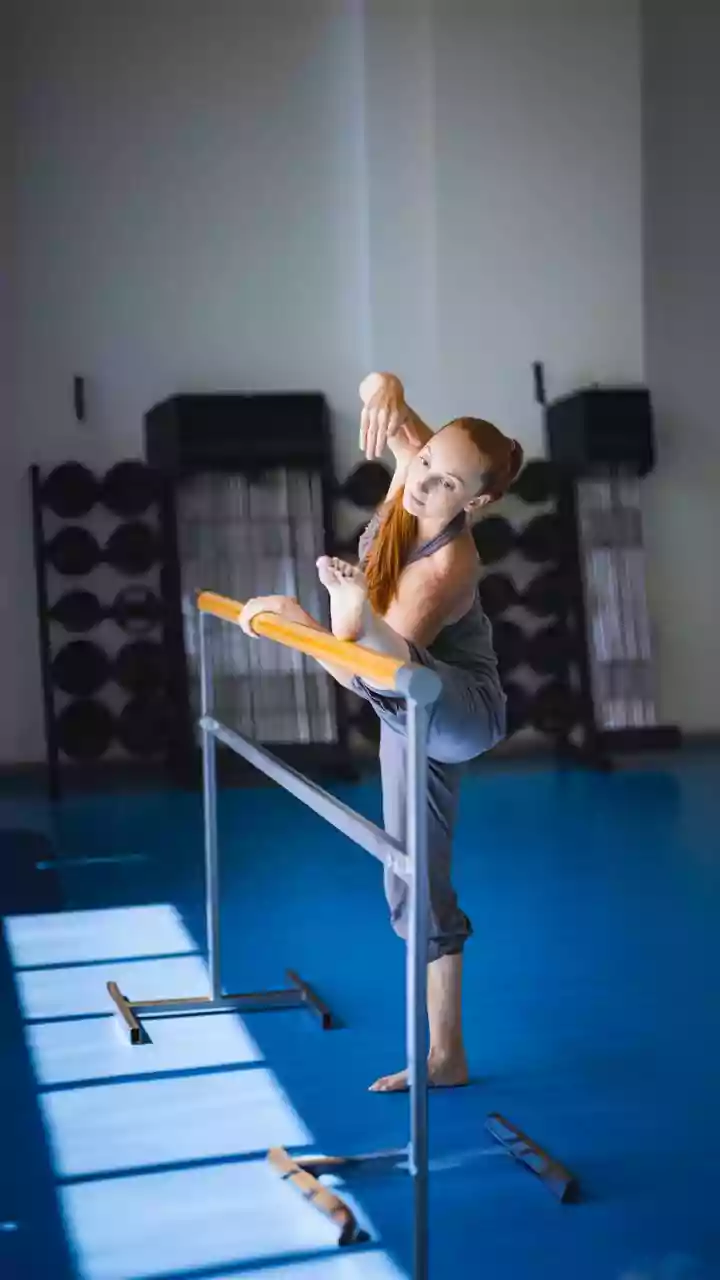
of 'movement snacks' is gaining traction among fitness professionals for good reason. Instead of sitting for hours on end, build short bursts of activity into your day. Set a timer to remind yourself to get up every 30 to 60 minutes. Even a 30-second break can help reduce muscle fatigue and mental strain. Use this time for simple stretches. Roll your neck gently from side to side to release tension. Stand up and stretch your arms overhead, lacing your fingers to deepen the stretch from your spine to your fingertips. A few shoulder shrugs, raising your shoulders to your ears and then releasing, can also alleviate stiffness in the upper back. These small actions improve circulation and prevent the aches that come from being static for too long.
Make Walking Your Default Mode
One of the easiest ways to increase your daily activity is to walk more. Whenever possible, choose the stairs over the lift. If you have a phone call that doesn't require you to be at your screen, use it as an opportunity to pace around the office. Consider taking the longest route to the restroom or the water cooler to get in extra steps. During your lunch break, resist the urge to eat at your desk. Instead, take even a 10-minute walk outside if possible. This not only gets your body moving but also exposes you to natural light, which can boost your mood and help you return to your desk feeling refreshed and more focused.
Turn Your Chair Into a Fitness Tool
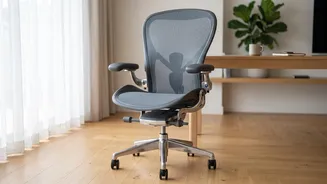
Your office chair doesn't have to be a completely passive piece of furniture. You can perform several discreet exercises without anyone noticing. Focus on maintaining an active, upright posture, which engages your core muscles. Try seated leg extensions by straightening one leg at a time and holding for a few seconds. You can also do calf raises by simply lifting your heels off the floor while seated. Another effective exercise is the glute squeeze: simply tighten your gluteal muscles, hold for a few seconds, and release. These subtle movements, performed consistently, help keep your muscles engaged and prevent them from becoming inactive during long periods of sitting.
Rethink Your Meeting Culture
The traditional boardroom meeting is a prime culprit for prolonged sitting. For smaller, more informal discussions or brainstorming sessions, suggest a 'walking meeting'. Research shows that walking can boost creativity, lead to more honest conversations, and improve collaboration. It's an effective way for everyone involved to get some steps in without adding extra time to the workday. This practice is best for one-on-one catchups or meetings with two to three people where a screen isn't necessary. It breaks the monotony of the office environment and offers both physical and mental benefits, helping to increase energy and productivity.
Hydrate Strategically
Staying hydrated is crucial for overall health, but it can also be a clever tool for encouraging more movement. Keeping a water bottle on your desk is a great start, but the act of getting up to refill it provides a natural, recurring reason to leave your chair. Drinking plenty of water also means you'll need to take more frequent trips to the restroom. By making a conscious decision to use the restroom that is furthest from your desk, you can effortlessly add more steps to your daily count. This simple habit creates a win-win situation: you stay properly hydrated while also breaking up long periods of sitting.